
Companion Plants
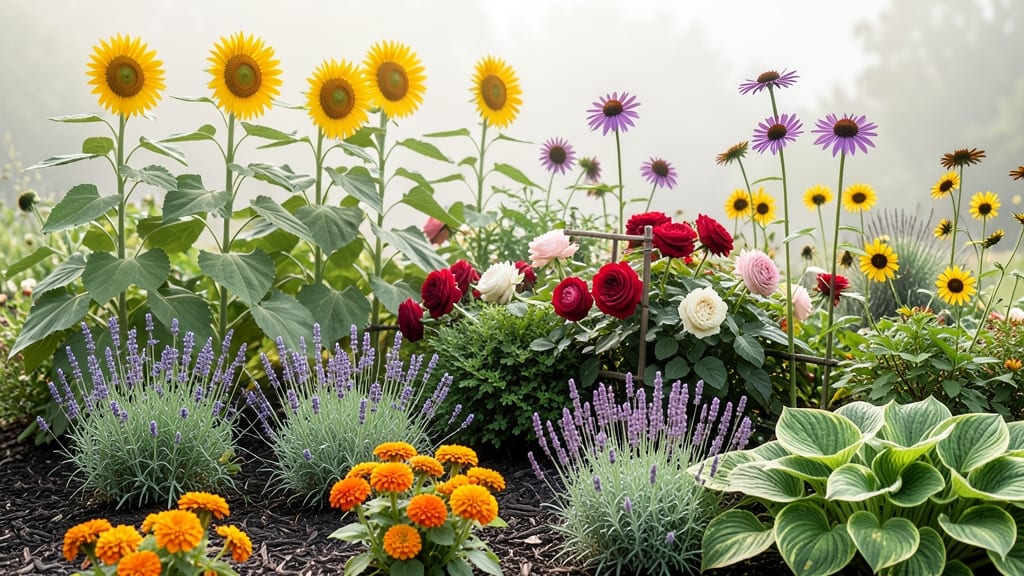
Growing popular garden plants like sunflowers, lavender, and roses can turn even a small yard into a lush, inviting space with minimal effort.
Picture this: a front yard that blooms from spring to fall, requires less than an hour of work per week, and still looks like a postcard-worthy retreat. That’s the magic of choosing the right plants—ones that thrive on neglect but reward you with color, fragrance, and even edible bounty.
Whether you’re drawn to fragrant herbs, towering sunflowers, or delicate perennials, the key is selecting varieties that match your climate, sunlight, and design goals. Below, I’ll share the top 15 low-maintenance plants that bring beauty and ease to gardens of all sizes—no green thumb required.
From drought-resistant succulents to shade-loving ferns, you’ll discover how to mix heights, textures, and colors for a garden that feels like a curated masterpiece. Ready to transform your outdoor space?
Top 10 low-maintenance popular garden plants for every climate
Creating a stunning garden shouldn't mean endless work. These low-maintenance popular garden plants thrive in various climates while requiring minimal effort. Whether you have full sun, partial shade, or full shade, there's a perfect plant for your space.
I've curated a list that balances beauty, hardiness, and ease of care—ideal for busy gardeners who still want a vibrant outdoor oasis.
One of the biggest challenges in gardening is finding plants that tolerate your local conditions. These drought-tolerant and pest-resistant varieties excel in both dry and humid climates. For example, lavender and rosemary love dry conditions, while hostas and heucheras thrive in shadier spots.
Each plant on this list has been chosen for its resilience and ability to reduce your maintenance workload significantly.
Let's dive into the top 10 low-maintenance plants categorized by sunlight needs. This way, you can quickly identify which plants will flourish in your garden's specific conditions.
From full sun lovers to shade-friendly beauties, I've included everything you need to know about care, spacing, and seasonal tips to keep them looking their best all year.
| Plant Name | Sunlight Needs | Water Needs | Mature Size | Key Benefits |
|---|---|---|---|---|
| Lavender | Full Sun | Low | 2-3 ft tall | Drought-resistant, pest-repellent, fragrant |
| Sedum (Stonecrop) | Full Sun | Very Low | 6-12 in tall | Succulent-like, winter hardy, pollinator-friendly |
| Russian Sage | Full Sun | Moderate | 3-5 ft tall | Drought-tolerant, long bloom season, deer-resistant |
| Hostas | Partial Shade | Moderate | 1-3 ft tall | Shade-tolerant, low-maintenance foliage, deer-resistant |
| Heucheras (Coral Bells) | Partial Shade | Low-Moderate | 1-2 ft tall | Colorful foliage, long-lasting, pest-resistant |
| Ferns (e.g., Maidenhair) | Full Shade | Moderate | 1-3 ft tall | Thrives in shade, lush texture, low-maintenance |
| Liriope (Monkey Grass) | Partial Shade to Full Sun | Low | 1-2 ft tall | Ground cover, drought-tolerant, spreads easily |
| Black-Eyed Susan | Full Sun | Moderate | 2-3 ft tall | Long bloom season, pollinator magnet, deer-resistant |
| Ornamental Grasses (e.g., Feather Reed) | Full Sun to Partial Shade | Low | 3-5 ft tall | Drought-resistant, winter interest, low-maintenance |
| Daylilies | Full Sun to Partial Shade | Moderate | 2-3 ft tall | Long bloom time, hardy, pest-resistant |
Starting with full sun plants, lavender is a must-have for its fragrant blooms and ability to repel pests naturally. It requires minimal water once established, making it perfect for dry climates. Pair it with sedum for a drought-proof combination that thrives in rocky or sandy soil.
Both plants attract pollinators like bees and butterflies, adding life to your garden without extra effort from you.
For partial shade areas, hostas are my top recommendation. Their lush foliage creates a stunning backdrop for other plants, and they're incredibly low-maintenance. Combine them with heucheras for a pop of color that lasts all season.
These plants are also deer-resistant, which is a huge plus if you live in rural areas. Just ensure they get consistent moisture during their first growing season.
In full shade gardens, ferns are the ultimate go-to. They create a tropical feel with minimal care and love the humidity that often comes with shadier spots. Add liriope as a ground cover to fill in gaps and prevent weeds.
This combo works beautifully under trees or along north-facing walls where sunlight is scarce. The key is to keep the soil consistently moist but
How to choose the best popular garden plants for your landscape design
Creating a stunning garden starts with selecting the right popular garden plants that harmonize with your design vision. The key lies in balancing color schemes, height layers, and seasonal blooms to create visual interest year-round.
Whether you love bold perennials or delicate annuals, strategic placement transforms any space into a cohesive masterpiece.
Begin by identifying your garden's sun exposure zones. Group plants with similar sunlight needs together—like sun-loving lavender in the south-facing area or shade-tolerant ferns under trees. This ensures each plant thrives while maintaining a natural flow. Pro tip: Use mulch to regulate soil temperature and reduce maintenance.
🌿 Design Layers for a Polished Look
- Tall Plants (6-8 ft): Use ornamental grasses or sunflowers as vertical accents. Place them at the back or along fences for drama.
- Medium Plants (3-5 ft): Shrubs like hydrangeas or boxwood create mid-level interest. Group in odd-numbered clusters for balance.
- Ground Covers (1-2 ft): Creeping thyme or ajuga fill gaps and suppress weeds. Choose varieties that complement nearby flowers.
- Seasonal Blooms: Mix spring bulbs (tulips), summer annuals (petunias), and fall perennials (mums) for continuous color.
- Color Harmony: Use the 60-30-10 rule—60% dominant color (e.g., purple clematis), 30% secondary (e.g., yellow marigolds), 10% accent (e.g., red salvia).
Don’t overlook texture contrast—pair smooth leaves like hostas with spiky yarrow for visual intrigue. For a low-maintenance garden, opt for drought-tolerant plants like succulents or lavender that require minimal watering once established.
Plan for year-round interest by including evergreens (e.g., boxwood) alongside seasonal bloomers. This ensures your garden stays vibrant even in winter. Test soil pH before planting—most popular garden plants prefer slightly acidic to neutral conditions (pH 6.0-7.0).
Finally, sketch a simple layout on graph paper, labeling each plant’s mature size and spread. Walk through your design in different seasons to visualize how light and shadows will change. Adjust spacing to allow airflow, reducing disease risks in popular garden plants like roses or hydrangeas.
With these steps, your garden will feel intentional and effortless—like a professional landscape designed just for you. Happy planting! 🌸