
Light Requirements
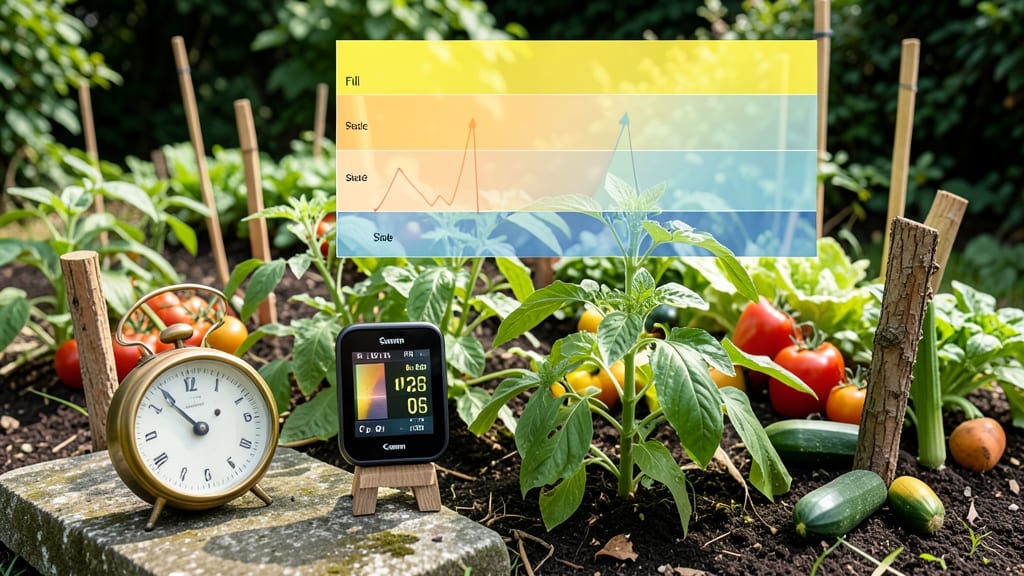
A vegetable garden needs 6 to 8 hours of direct sunlight daily to produce strong, healthy plants 🥬—but not all crops demand the same amount, and too much sun can scorch delicate leaves.
Struggling to decide where to plant your vegetables? Sunlight is the single most critical factor for a thriving garden—get it wrong, and even the hardiest crops will struggle to produce. But how much sun do different vegetables really need, and how do you balance their requirements in a single garden?
Most vegetables thrive with full sun exposure, but leafy greens like spinach or lettuce can handle just 3 to 4 hours of morning light. Meanwhile, sun-lovers like tomatoes and peppers demand 8+ hours to set fruit.
The key is understanding your garden’s microclimates and matching crops to the right spots.
In this guide, I’ll break down the exact sunlight needs for 20+ common vegetables, show you how to measure your garden’s light, and share tricks for extending the growing season—whether you’re dealing with scorching afternoons or shady corners.


Sunlight requirements by vegetable type: full sun vs partial shade breakdown
Understanding how many hours of sun your vegetable garden needs is the first step to a bountiful harvest. Most vegetables fall into two broad categories: full-sun lovers (requiring 6-8+ hours of direct sunlight) and partial-shade tolerant crops (thriving in 3-6 hours).
Getting this wrong can mean the difference between juicy tomatoes and sad, stunted plants. Let’s break down the exact sunlight needs for 20+ common vegetables to help you plan your garden layout like a pro.
Full sun vegetables like tomatoes and peppers demand the most light, while leafy greens such as spinach or lettuce can handle dappled shade. The key is matching each plant’s needs to your garden’s sunlight patterns.
For example, a south-facing spot gets the most sun, while north-facing areas may only qualify for shade-tolerant crops. Below, we’ll compare the sunlight requirements side by side so you can visualize the best placement for your garden.
| Vegetable | Sunlight Needs | Ideal Hours/Day | Best Location | Notes |
|---|---|---|---|---|
| Tomatoes | Full Sun | 6-8+ | South-facing | Needs afternoon sun; avoid heavy shade. |
| Peppers | Full Sun | 6-8+ | South or West | Heat-loving; protect from strong winds. |
| Cucumbers | Full Sun | 6-8 | Trellis near sun | Vining plants need support and space. |
| Zucchini | Full Sun | 6-8 | South-facing | Large leaves need space; mulch to retain moisture. |
| Carrots | Partial Shade | 3-6 | North or East | Too much sun can cause bitter flavor. |
| Lettuce | Partial Shade | 3-5 | Dappled shade | Bolt-resistant varieties for hot climates. |
| Spinach | Partial Shade | 3-5 | North or East | Cool-season crop; avoid summer heat. |
| Green Beans | Full Sun | 6-8 | South-facing | Drought-tolerant; needs trellis for bush types. |
| Radishes | Partial Sun | 3-6 | Any location | Fast-growing; harvest quickly in hot weather. |
| Basil | Full Sun |
How to calculate sunlight in your garden: tools and techniques for accurate measurementAccurate sunlight measurement is the foundation of a successful vegetable garden. Without knowing exactly how much sun your garden receives, you risk under- or over-planting sun-loving crops. I’ve learned the hard way that morning sun isn’t the same as afternoon sun—your tomatoes need that intense midday heat, while leafy greens can bolt in too much direct light. Start by observing your garden for at least a week to account for seasonal variations. Use a simple sunlight journal or smartphone app to track sunlight patterns. Many gardeners make the mistake of assuming their space gets consistent sun, but shadows from trees, buildings, or even your own fence can drastically reduce exposure during critical growing hours. 🌱 Pro Tip: Morning sun is cooler and less intense than afternoon sun, which can be crucial for heat-sensitive crops like cucumbers or peppers. If your garden gets morning sun but is shaded in the afternoon, consider planting shade-tolerant crops in those spots. Step-by-Step Sunlight Measurement Guide
One common mistake is assuming that partial shade means 3-4 hours of sun, when in reality, it often refers to dappled light or filtered sun. For example, lettuce and spinach can handle 3-4 hours of direct sun, but they’ll bolt if exposed to more. Always double-check your garden’s microclimate—what works for your neighbor’s garden might not work for yours. If you’re working with limited sunlight, consider vertical gardening or container gardening near south-facing windows. Even a few extra hours of sun can make a difference for crops like bush beans or radishes, which thrive in 4-6 hours of sun. For full-sun lovers like tomatoes or peppers, prioritize the sunniest spots first. ☀️ Remember: The goal isn’t just to measure sunlight—it’s to leverage it. Once you know your garden’s exact exposure, you can strategically place crops, use shade cloths, or even rotate plants to optimize growth. With the right tools and a little observation, you’ll turn sunlight into a predictable advantage for your garden. |