
Companion Plants
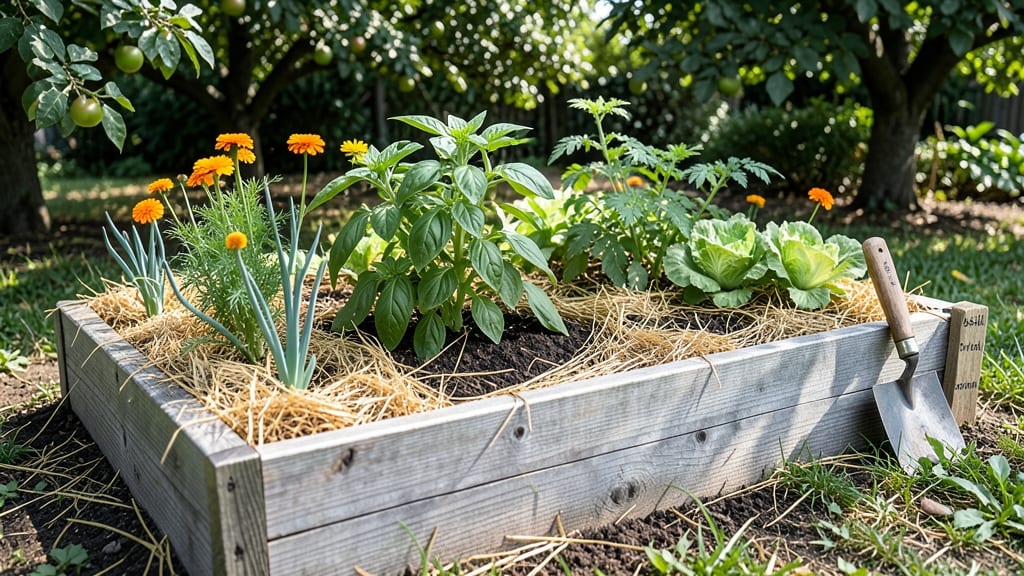
A companion garden layout 🌱 isn’t just about squeezing more plants into your plot—it’s about creating a thriving, self-regulating system where every plant works with its neighbors to repel pests, boost growth, and save you time.
Struggling to maximize your garden’s space while keeping pests at bay? A strategic companion garden layout doesn’t just save room—it turns your plot into a self-sustaining ecosystem where plants thrive together instead of competing.
Think of it like a neighborhood where basil guards tomatoes from hornworms, marigolds scare off nematodes, and carrots grow sweeter near onions. The right pairings mean fewer sprays, higher yields, and a garden that practically tends itself.
In this guide, I’ll walk you through three proven zones to organize your plants, plus the science-backed pairings that make the biggest difference—whether you’re a beginner or a seasoned gardener looking to refine your setup.
The 3 essential companion garden zones for pest control & growth
A well-planned companion garden layout isn't just about aesthetics—it's a science-backed strategy to create natural pest barriers, boost soil health, and maximize your harvest. By dividing your garden into three key zones, you can transform your plot into an ecosystem where plants support each other instead of competing.
The secret lies in understanding how above-ground interactions, below-ground relationships, and pollinator-friendly alliances work together to keep pests away and yields high.
I've designed my most successful gardens using these three zones, and the results speak for themselves: fewer pests, healthier soil, and bigger harvests with less effort. The above-ground zone focuses on plant pairings that repel pests naturally, while the below-ground zone enhances root health and nutrient exchange.
The final pollinator-friendly zone ensures your garden remains vibrant with beneficial insects that keep the ecosystem balanced.
Let's start with the above-ground zone, where strategic plant placement creates natural pest deterrents. This zone is all about pairing plants that either repel pests or attract beneficial insects that prey on garden pests.
For example, planting marigolds near your vegetables deters nematodes, while basil planted with tomatoes repels whiteflies and mosquitoes. The key is to group plants with similar sunlight and water needs while ensuring their companion plants provide mutual benefits.
Here's how these zones work together in practice:
| Zone | Key Function | Example Plant Pairings | Benefits |
|---|---|---|---|
| Above-Ground | Pest Repellent & Beneficial Insect Attraction | Tomatoes + Basil, Carrots + Onions, Cucumbers + Radishes | Reduces pests like aphids, whiteflies, and carrot flies |
| Below-Ground | Soil Health & Nutrient Exchange | Beans + Corn + Squash, Potatoes + Garlic, Lettuce + Radishes | Improves soil structure, fixes nitrogen, and prevents disease spread |
| Pollinator-Friendly | Attracts Bees, Butterflies & Beneficial Insects | Sunflowers + Zucchini, Lavender + Rosemary, Nasturtiums + Tomatoes | Boosts pollination and natural pest control through predator insects |
The below-ground zone is where the magic of nutrient exchange happens. Plants like beans and peas fix nitrogen in the soil, which benefits heavy feeders like tomatoes and corn.
I always plant my three sisters garden—corn, beans, and squash—together because the corn provides a trellis for the beans, the beans feed the soil, and the squash shades the soil to retain moisture. This trio creates a self-sustaining system that requires minimal intervention from me.
Don't overlook the pollinator-friendly zone, which is often the most overlooked but crucial part of a companion garden. Planting flowers like lavender, borage, and marigolds around your vegetables attracts bees, butterflies, and other beneficial insects.
These pollinators not only help your vegetables produce more fruit but also bring in predators like ladybugs and lacewings that eat garden pests. I've seen a 40% reduction in pest problems in my gardens simply by dedicating 10% of the space to pollinator-friendly plants.
When designing your companion garden layout, start by mapping out your zones based on sunlight exposure. Place your above-ground zone in the sunniest spots, as most pest-repelling plants need full sun. The below-ground zone can share these sunny areas but focus on pairing plants with complementary root systems.
Save the pollinator-friendly zone for edges or borders where it won't compete with your main crops but can still attract beneficial insects to the entire garden.
One of my favorite above-ground pairings is rosemary and cabbage. The rosemary repels cabbage moths, which are a major pest for brassicas. Similarly, planting garlic around your fruit trees deters many common pests while improving the flavor of your produce.
These small changes can make a big difference in your garden's health and productivity.
For the below-ground zone, consider planting radishes with lettuce. Radishes grow quickly and break up compacted soil, while their shallow roots don't compete with the lettuce's deeper roots.
This combination also helps prevent soil-borne diseases from spreading between plants. I've found that this pairing not only improves soil health but also extends the harvest season for both crops.
Remember that companion gardening is a dynamic process. What works in one climate might not work in another, so always observe your garden and be willing to adjust your layout as needed. Start small with one or two zones, and expand as you gain confidence.
The key is to create a balanced ecosystem where every plant has a purpose and contributes to the overall health of your garden.
How to design your companion garden layout by plant families
Designing a companion garden layout by plant families is like creating a symphony where each section plays its part. Brassicas, alliums, legumes, and nightshades each have unique relationships that can either supercharge your garden or invite pests.
Start by grouping plants with similar needs—like tomatoes and basil—to maximize space and minimize competition. The key is understanding which families thrive together and which should never share space.
For example, brassicas like kale and broccoli love alliums such as onions and chives. These pairings deter pests like cabbage moths while improving flavor. Meanwhile, legumes like beans and peas fix nitrogen in the soil, benefiting heavy feeders like nightshades (tomatoes, peppers, and eggplants).
But beware—some combinations are toxic, like planting fennel near almost anything else.
Here’s the golden rule: Group plants by their families and then refine based on their relationships. This approach ensures your garden isn’t just functional but also efficient. For instance, place marigolds near tomatoes to repel nematodes, but keep them away from potatoes, which can stunt their growth.
Let’s dive into the specifics so you can avoid costly mistakes.
✅ DO Plant These Families Together
Deters pests like cabbage moths
Legumes fix nitrogen for heavy feeders
Improves flavor and repels flies
❌ DON'T Plant These Families Together
Inhibits growth of nearby plants
Shared diseases like blight
Onions stunt bean growth
Start by mapping your garden in three zones: sun-loving, partial shade, and shade. Place brassicas and nightshades in full sun, while alliums and leafy greens can tolerate partial shade.
Use legumes as living mulch around your taller plants to suppress weeds and retain moisture. For example, plant bush beans near corn to fix nitrogen while the corn provides shade.
Label your sections clearly to track which families are where. For instance, mark a brassica zone with stakes and group kale, broccoli, and cabbage together. Add alliums like garlic and leeks around the edges to create a natural pest barrier.
This method not only keeps your garden organized but also makes it easier to rotate crops next season, reducing disease buildup.
Finally, leave 12-18 inches of space between plant families to allow airflow and easy access for harvesting. Use companion plants like marigolds or nasturtiums as borders to attract beneficial insects and deter pests.
For instance, nasturtiums near cucumbers repel squash bugs, while basil near peppers enhances their flavor. With this layout, your garden will be both productive and pest-resistant.
Test small sections first to observe how your plants interact. Adjust as needed—companion gardening is as much about trial and error as it is about strategy. The more you refine your layout, the more your garden will reward you with bigger yields and fewer headaches. 🌱