
Companion Plants
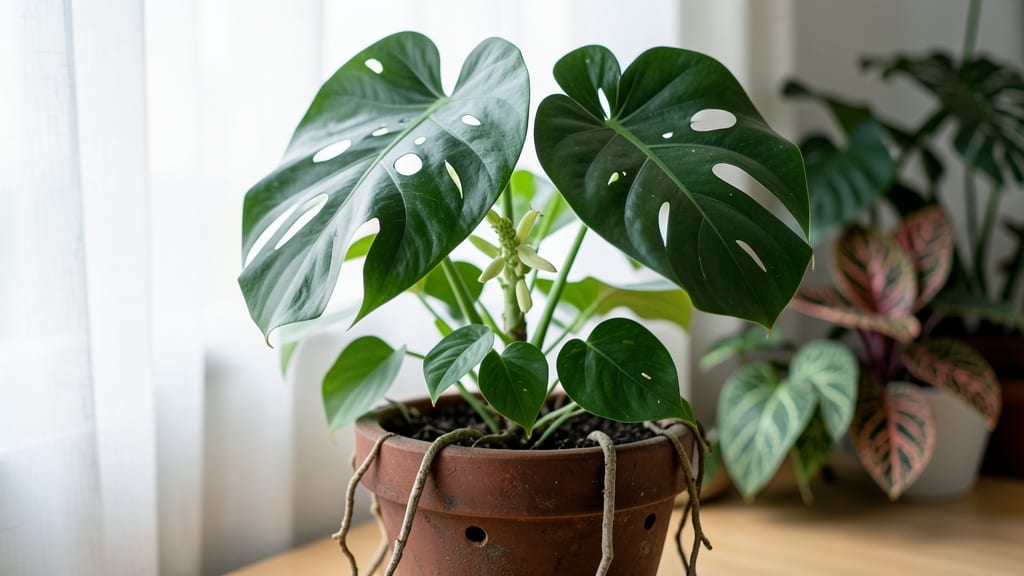
Gardening tropical plants 🌱 thrives when you balance their love for humidity with smart airflow tricks to avoid fungus.
Picture this: lush, vibrant foliage wilting overnight because the air feels like a desert—not the jungle you imagined. That’s the classic tropical plant trap, and the fix isn’t just spraying water everywhere. You need a system that keeps moisture high without turning your leaves into a fungal buffet.
Here’s the game-changer: simple, science-backed hacks to mimic a rainforest’s humidity indoors or in your garden. We’re talking pebble trays that double as decor, grouping plants to create microclimates, and even kitchen tools you already own. No fancy equipment, just smarter water management.
By the end, you’ll know which tropical species handle drier air best, how to spot early signs of mold, and why your snake plant might just be the low-maintenance MVP of your collection. Ready to turn your space into a thriving tropical oasis?
How to mimic tropical humidity indoors without fungal risks
Tropical plants like monstera and calatheas thrive in 70-80% humidity, but most homes hover around 30-50%. The key is creating a microclimate that mimics their natural environment while preventing fungal spores from taking hold.
Start by understanding that humidity alone isn't enough—air circulation and proper drainage are just as critical.
I’ve found the best approach combines passive humidity boosters (like pebble trays) with active airflow strategies (such as fans). The goal is to keep leaves lush without turning your plant collection into a moldy jungle.
Let’s break down the most effective methods, starting with the simplest and most reliable techniques.
-
1
Pebble Tray Setup
Fill a shallow tray with pebbles or gravel, add water until pebbles are half-submerged, and place pots on top. The evaporating water increases humidity around the plant’s base without soaking roots. Replace water every 3-4 days to prevent stagnant water.
-
2
Group Plants Strategically
Cluster 3-5 tropical plants together in a low-traffic area (like a bathroom or kitchen). Their combined transpiration naturally raises humidity. Add a small fan on low speed to circulate air and prevent fungal buildup.
-
3
DIY Humidifier with Household Items
Place a water-filled spray bottle near plants and mist leaves daily (morning only). For larger areas, use a humidifier with a fan attachment to distribute moisture evenly. Avoid wetting foliage at night to reduce fungal spores.
-
4
Optimize Pot and Soil
Use terracotta pots (they breathe) with well-draining soil mixed with orchid bark or perlite. Elevate pots on feet or saucers to prevent waterlogging. Add a layer of moss on top of soil to retain moisture without suffocating roots.
-
5
Monitor and Adjust
Use a hygrometer to track humidity levels. Aim for 50-60% during the day and 40-50% at night. If you spot yellowing leaves or powdery spots, increase airflow immediately and reduce watering.
One common mistake I see is overwatering to compensate for low humidity. Root rot from soggy soil is just as deadly as fungal infections. Instead, focus on even moisture distribution.
For example, my philodendron thrives with a pebble tray under its pot, but I only water it when the top 1-2 inches of soil feel dry. This balance keeps the air moist without drowning the roots.
Another pro tip: Place a tray of kinetic sand or a damp towel near your plants. The slow evaporation mimics natural humidity without the risk of stagnant water.
I’ve used this trick with my fiddle-leaf fig, and it’s made a noticeable difference in leaf crispiness during winter when indoor heaters dry out the air.
For larger spaces, consider a whole-house humidifier set to 45-55%. Pair it with a small oscillating fan to move air gently. This combo works wonders for my collection of orchids, which need consistent moisture but hate stagnant air.
The fan prevents botrytis blight (a common fungal issue) while the humidifier keeps the air lush.
If you notice black spots or white powder on leaves, act fast. Wipe leaves with a mild neem oil solution (1 tsp neem oil + 1 quart water) and isolate the affected plant.
Increase airflow immediately—fungus spreads faster in still air. I’ve saved multiple calatheas this way by catching issues early and adjusting my humidity setup.
Remember, the goal isn’t to recreate a jungle
Best tropical plants for low-humidity environments: a survival guide
If you love the lush, vibrant look of tropical plants but struggle with dry indoor air, don’t despair! Many tropical species thrive in low-humidity conditions with the right care. These hardy plants tolerate drier air better than their high-humidity counterparts, making them perfect for indoor gardens or arid climates.
Key to their success is well-draining soil and strategic watering. Unlike fussy tropicals, these plants store water in their leaves or roots, so they can handle brief dry spells. Let’s explore the top low-humidity tropical plants that will flourish with minimal fuss.
For snake plants and ZZ plants, let the top inch of soil dry out completely before watering. These plants store water efficiently, so overwatering is their biggest enemy. Place them near a window with bright, indirect light to keep their leaves vibrant without scorching.
If you’re growing Haworthias or Aloe Vera, mimic their desert origins by using a cactus/succulent mix for soil. These plants love well-draining pots with drainage holes to prevent root rot. A quick misting once a week can help, but avoid soggy conditions.
Even Bird of Paradise, which prefers slightly higher humidity, can adapt to drier air if you keep the soil consistently moist but not waterlogged. Grouping plants together creates a microclimate with slightly higher humidity, benefiting all your tropicals.
With these low-maintenance tropical plants, you can enjoy lush greenery without the humidity struggles. Just remember: drainage, light balance, and moderate watering are your best friends! 🌱