
Watering
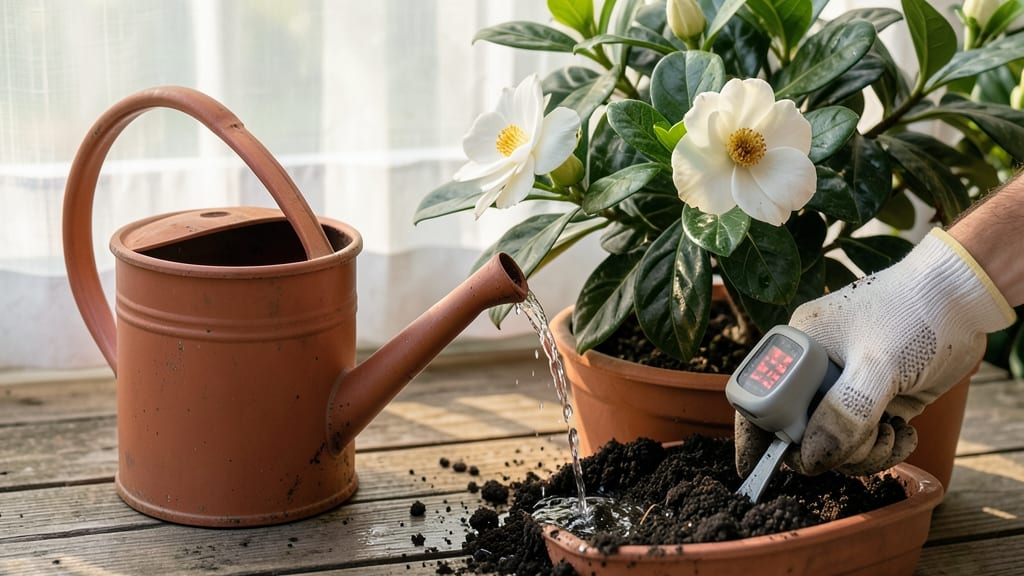
Watering a gardenia plant the right way is the key to those fragrant blooms you love — and it’s easier than you think once you know the tricks.
Struggling to keep your gardenia thriving with vibrant blooms instead of sad, yellowing leaves? The secret isn’t just how much you water — it’s when and how you do it. Master these moisture techniques to transform your struggling gardenia into a fragrant, flower-filled showstopper.
Gardenia 🌸 plants crave consistency, but they hate soggy roots or dry spells. Too much water causes yellow leaves, while too little stunts growth. The solution? A simple routine that adapts to your climate and pot size — no guesswork required.
Below, I’ll walk you through the exact watering schedule, the best times to hydrate, and how to spot the warning signs before your plant protests with wilted leaves or root rot.
The perfect watering schedule for gardenia plants to prevent yellow leaves
Yellow leaves on your gardenia plant are often a cry for help—usually from watering mistakes. These tropical beauties thrive on consistent moisture, but too much or too little can trigger leaf discoloration.
The key is understanding their hydration needs based on season, soil type, and even your local climate. Let’s break down the science-backed schedule that keeps your gardenia lush and blooming.
Gardenia plants love moist, acidic soil that drains well but never dries out completely. Their roots are sensitive to waterlogging and drought stress, both of which cause those dreaded yellow leaves. The solution?
A predictable watering routine that adapts to temperature, humidity, and your plant’s growth stage. Think of it like a spa day for your gardenia—just enough to keep it hydrated without drowning it.
| Season | Watering Frequency | Soil Moisture Check | Best Time to Water |
|---|---|---|---|
| Spring | Every 2-3 days | Top 1-2 inches dry | Morning (6-9 AM) |
| Summer | Daily (deep watering) | Top 2-3 inches dry | Early morning (5-7 AM) |
| Fall | Every 3-4 days | Top 1 inch dry | Late morning (9-11 AM) |
| Winter | Weekly (light watering) | Top 3-4 inches dry | Mid-morning (10 AM) |
In spring and summer, gardenias are in their peak growth phase, so they’ll need more frequent watering—especially if you’re growing them in containers. Potted gardenias dry out faster than in-ground plants, so check the soil daily during heatwaves.
Stick your finger about 1-2 inches deep; if it feels dry, it’s time to water. Pro tip: Deep watering encourages stronger root growth, so always water until you see moisture seeping from the drainage holes.
As temperatures drop in fall and winter, your gardenia’s water needs decrease dramatically. This is when many gardeners overcompensate, thinking their plant still needs summer-level hydration. Instead, reduce watering to once a week or even less if your home stays cool and humid.
Yellow leaves in winter often signal overwatering, not underwatering. Let the top 3-4 inches of soil dry out between waterings to mimic their natural dormancy period.
Environmental factors like humidity and temperature play a huge role in your watering schedule. In high-humidity climates, gardenias may need less frequent watering because the air retains moisture longer. Conversely, in dry, arid conditions, you’ll need to water more often to compensate.
Pay attention to your gardenia’s leaf edges: brown, crispy edges mean it’s thirsty, while yellowing leaves that feel soft or mushy signal root rot from overwatering.
Morning watering is non-negotiable for gardenias. Watering in the early morning hours (before 10 AM) allows excess moisture to evaporate throughout the day, reducing the risk of fungal diseases like powdery mildew. Avoid watering at night, as damp leaves can attract pests and promote bacterial growth.
If you must water in the evening, do so at least 3-4 hours before sunset to give the foliage time to dry.
One of the biggest mistakes I see is ignoring the pot size. A gardenia in a 5-gallon container will dry out faster than one in a 15-gallon planter.
Always match your watering frequency to the pot’s size: larger pots hold moisture longer, while smaller pots need more frequent attention. If you’re unsure, lift the pot—if it feels light, it’s time to water. If it’s heavy, wait another day.
For gardenias in ground beds, the rules are slightly different. In-ground plants have access to deeper soil moisture, so you can water less frequently—about every 2-3 days in summer. However, always check the soil 2-3 inches deep before watering.
Mulching around the base of your gardenia helps retain moisture and keeps roots cool, reducing stress. Use organic mulch like pine bark or shredded leaves for the best results.
Finally, never skip the soil moisture test. Stick your finger into the soil (or use a moisture meter) to check the true hydration level. Visual cues like wilting or yellowing leaves come too late—by then, your gardenia may already be stressed.
A consistent watering schedule combined with regular soil checks will keep your gardenia’s leaves vibrant and its blooms abundant. With these techniques, you’ll be the proud owner of a fragrant, flourishing gardenia in no time!
How to water gardenia plants correctly: step-by-step technique for healthy roots
Gardenia plants thrive on consistency, but their delicate roots demand more than just regular watering—they need deep hydration and proper drainage to prevent stress. Unlike drought-tolerant succulents, gardenias hate soggy soil or bone-dry conditions, both of which trigger yellow leaves and stunted growth.
The key? Mimicking their natural humid, tropical environment while avoiding waterlogged roots.
Your watering method makes all the difference. A simple watering can won’t cut it if you’re not targeting the root zone properly.
Instead, I’ll show you how to saturate the soil without drowning the plant, plus how to adjust for your climate—whether you’re battling scorching summer heat or cool, damp winters. Let’s dive into the step-by-step technique that keeps my gardenias blooming year after year.
Step-by-Step Watering Technique
- 1 Test Soil Moisture First: Stick your finger 2 inches deep into the soil. If it feels dry, it’s time to water. If damp, wait 1-2 more days.
- 2 Water Deeply at the Base: Use a watering can with a long spout or drip irrigation to soak the soil until water flows out the drainage holes. Aim for 1-1.5 gallons per plant for mature gardenias.
- 3 Avoid Wetting Leaves: Focus on the soil surface to prevent fungal diseases like powdery mildew, which thrives in damp foliage. Use a watering wand for precision.
-
4
Adjust for Climate:
- Hot/Dry Climates: Water daily in peak summer, early in the morning.
- Cool/Moist Climates: Reduce to every 3-4 days and check soil moisture more frequently.
- 5 Improve Drainage: Add perlite or sand to heavy soil, and ensure pots have drainage holes. Mulch with 2-3 inches of organic matter to retain moisture.
- 6 Monitor for Stress Signs: Yellow leaves or drooping stems mean overwatering or underwatering. Adjust immediately by letting soil dry slightly or watering more deeply.
Pro tip: If you’re using tap water, let it sit out overnight to reduce chlorine, which can burn gardenia roots. For potted plants, I swear by a self-watering system during vacations—it’s a game-changer for consistency.
Remember, gardenias drink through their leaves, so a humidifier nearby in dry climates can mimic their natural habitat.
Once you master this technique, your gardenia will reward you with glossy, fragrant blooms instead of wilting leaves. The secret? Patience and precision—never rushing the watering process and always checking the soil first. Your plant will thank you with vibrant, long-lasting flowers all season long.
🌸