
Tools
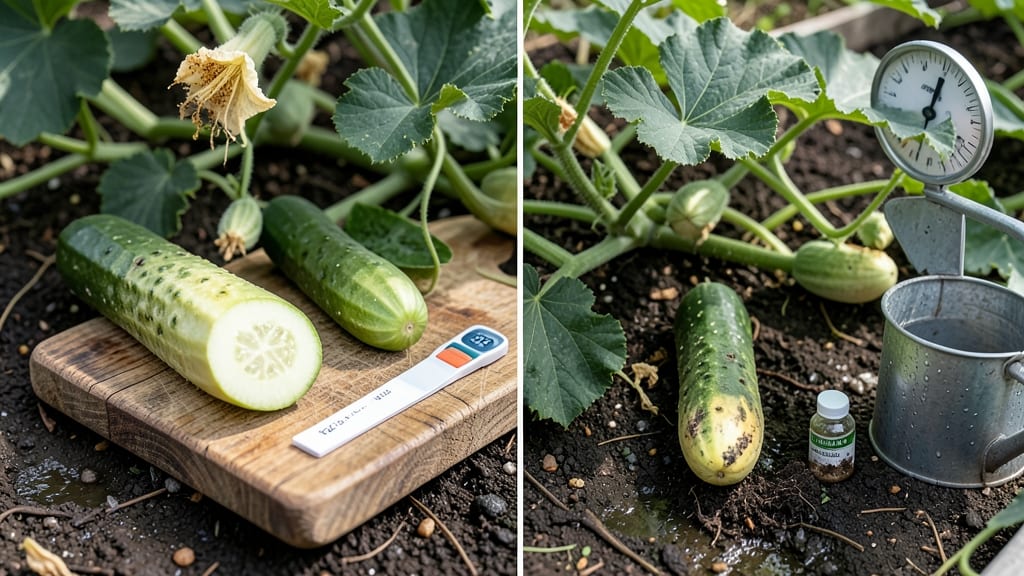
Your garden cucumbers 🥒 might be bitter because they're overripe, under stress, or missing key nutrients—three fixable problems that turn crunchy disappointment into sweet success.
Picture this: you've been waiting weeks for those crisp cucumbers, only to slice into a mouthful of bitterness that ruins your salad. It’s frustrating, but the good news? The fix is faster than you think.
Too much heat, inconsistent watering, or letting them grow past their prime all trigger that bitter flavor. I’ll walk you through the three fastest fixes—adjusting water, shading, and harvesting at the perfect time—to bring back that garden-fresh sweetness in just days.
By the end, you’ll know exactly when to pick, how much to water, and what to do if the heat waves hit. No more bitter surprises—just crisp, delicious cucumbers straight from your plot.
3 Common causes of bitter garden cucumbers (and how to fix them)
There's nothing worse than biting into a homegrown cucumber only to be hit with an unpleasant bitter taste. This common issue frustrates even experienced gardeners, but the good news is that bitterness usually stems from just a few key problems.
Understanding these root causes lets you take quick action to restore that sweet, crisp flavor you love in your garden-fresh salads.
Cucumbers develop bitterness primarily due to overmaturity, water stress, or environmental factors like extreme heat. Each of these issues triggers the plant's natural defense mechanism, producing cucurbitacin—the compound responsible for that unwanted bitter flavor.
The great news? With simple adjustments to your harvesting schedule, watering routine, and growing conditions, you can eliminate bitterness and enjoy perfectly sweet cucumbers in just days.
Fluctuating soil moisture triggers bitterness by stressing roots. Aim for 1-2 inches of water weekly and maintain even soil dampness.
Waiting until cucumbers turn yellow or develop seeds activates bitter compounds. Harvest when 6-12 inches long and firm.
Temperatures above 90°F or dry conditions force plants to produce bitter compounds. Use shade cloth or mulch to regulate soil temperature.
Let's start with the most common culprit: overwatering or inconsistent moisture. Cucumbers are heavy drinkers, but they hate soggy roots. When soil stays too wet or dries out completely, the plant perceives this as stress and ramps up production of cucurbitacin.
I've found that maintaining a consistent moisture level—about 1-2 inches of water per week—keeps my cucumbers sweet and crisp. Use a moisture meter or simply check the top inch of soil; if it's dry, it's time to water deeply.
Your harvesting habits play a bigger role than most gardeners realize. Many people wait until cucumbers reach their maximum size, but by then, they've often become bitter.
The ideal time to harvest is when cucumbers are 6-12 inches long, depending on the variety, and still have a firm texture.
I like to check mine every 2-3 days during peak growing season—this frequent harvesting not only prevents bitterness but also encourages the plant to produce more fruit. Pro tip: Use a pair of clean pruning shears to avoid damaging the vine.
Environmental stress, particularly extreme heat, is another major trigger for bitterness. When temperatures climb above 90°F, cucumbers struggle to photosynthesize efficiently, leading to flavor degradation. In my hot summer garden, I've had great success using 30-50% shade cloth during the hottest afternoon hours.
This simple trick can make a world of difference in flavor. Additionally, mulching with straw helps regulate soil temperature and retain moisture, reducing stress on the plant.
One surprising factor many gardeners overlook is soil nutrient balance. While cucumbers don't need heavy feeding, they do require consistent access to nitrogen, phosphorus, and potassium.
I've found that a balanced 10-10-10 fertilizer applied every 4-6 weeks during the growing season keeps my plants healthy and productive. Too much nitrogen can actually make flavor worse, so always follow package instructions carefully. Organic options like composted manure work well too.
For container growers, bitterness often stems from limited root space and poor drainage. Cucumbers need at least 5-gallon containers to thrive, and the pots must have drainage holes.
I've seen many gardeners make the mistake of using smaller containers or skipping the drainage—both lead to stressed plants and bitter fruit. If you're growing in containers, consider using self-watering pots to maintain consistent moisture levels without overwatering.
Another pro tip I've picked up from experienced growers is to harvest in the morning. Cucumbers tend to be sweeter and firmer first thing in the day. I make it a habit to check my plants right after sunrise and harvest anything ready to eat.
This morning routine not only gives me the best flavor but also helps prevent bitterness from developing throughout the day as temperatures rise.
If you're dealing with bitter cucumbers this year, don't be discouraged—these issues are almost always fixable. Start by checking your watering routine and harvesting schedule, then assess environmental conditions. Within just a few days of making adjustments, you should notice a significant improvement in flavor.
Remember, the key to sweet cucumbers lies in consistency—consistent moisture, consistent harvesting, and consistent growing conditions.
With these science-backed solutions, you'll be back to enjoying sweet, crisp cucumbers from your garden in no time. The next time you're about to bite into a cucumber and hesitate because of bitterness, you'll know exactly what to adjust to bring back that perfect garden-fresh taste. Happy growing! 🥒
How to adjust watering and sunlight for sweeter cucumbers
Cucumbers develop bitterness when stressed, and two of the biggest culprits are inconsistent watering and inadequate sunlight. Unlike many vegetables, cucumbers thrive on predictable moisture and full sun exposure—when either is lacking, they produce cucurbitacin, a natural compound that turns your harvest bitter.
Let’s fix that with science-backed adjustments for your garden.
First, focus on consistent soil moisture. Cucumbers hate dry spells and waterlogged soil equally. Their roots need steady hydration to prevent stress, which triggers bitterness. Pair this with 6-8 hours of direct sunlight daily—any less, and your plants will stretch toward the light, leaving cucumbers tough and bitter.
Let’s break down the exact adjustments you need to make.
| Factor | Optimal Condition | Why It Matters |
|---|---|---|
| Watering Schedule | Deep watering every 1-2 days (morning) | Prevents drought stress and fungal diseases |
| Sunlight Exposure | 6-8 hours of full sun daily | Ensures proper photosynthesis and sweetness |
| Soil Moisture | Keep soil consistently moist (1-2 inches deep) | Avoids bitterness from fluctuating water levels |
| Shade Cloth (Hot Days) | Use 30-50% shade cloth if temps exceed 90°F | Reduces heat stress and bitterness |
| Mulch Layer | 2-3 inches of organic mulch | Retains moisture and regulates soil temperature |
Start by adjusting your watering routine. Instead of quick sprinkles, give your cucumbers a deep soak 1-2 times daily, especially in hot weather. Aim for 1-2 inches of water per week, delivered at the soil level—not the leaves—to prevent fungal issues.
A drip irrigation system or soaker hose works best, as it delivers water directly to the roots where it’s needed most.
Next, evaluate your cucumbers’ sunlight exposure. If your plants are stretching or looking leggy, they’re not getting enough light. Move them to a sunnier spot or use a reflective surface (like white plastic) behind them to bounce extra light onto the leaves.
For container growers, place pots near a south-facing window or supplement with a grow light for 12-14 hours daily.
For extreme heat waves, consider adding shade cloth to protect your plants. Even 30% shade can reduce stress and bitterness during 90°F+ days. Pair this with a 2-3 inch layer of mulch to keep roots cool and moisture locked in.
These small tweaks can transform your bitter cucumbers into sweet, crisp gems in just a few days.
Finally, monitor your soil’s moisture like a pro. Stick your finger 1-2 inches deep—if it feels dry, water immediately. If it’s soggy, hold off until the top inch dries slightly.
This balance is key to preventing cucurbitacin buildup, the compound responsible for that unwanted bitterness. With these adjustments, you’ll be enjoying garden-fresh, sweet cucumbers in no time! 🥒