
Tools
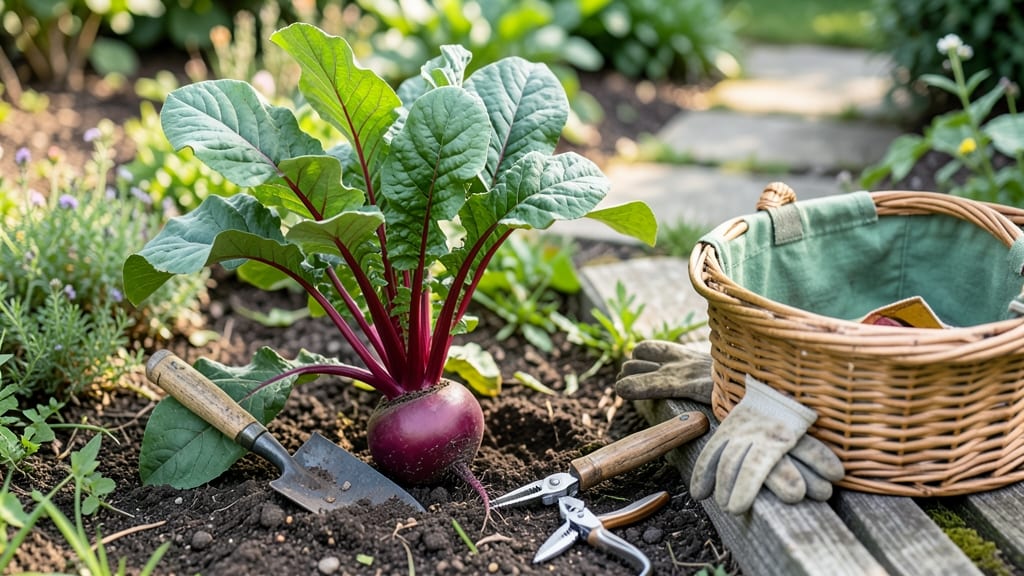
Knowing when to pull beets from the garden depends on reaching 1–3 inches in diameter, developing a deep red or purple color, and resisting gentle tugging. Smaller beets stay sweeter, while overgrown roots become tough and fibrous.
Beets mature through distinct growth phases that directly affect flavor and texture. 🌱 The root's color shift from pale to vibrant signals increasing sugar content, while soil resistance indicates full development.
I've found that harvesting in cooler morning hours preserves crispness, and leaving the greens attached during the first few days after pulling helps maintain moisture in the root.
For best results, use a garden fork to loosen soil around larger beets (2+ inches) to avoid damaging the roots. After harvesting, trim the greens to within 1 inch of the root and let beets cure in a dark, humid place for 24 hours before storing.
This process enhances their natural sweetness and extends shelf life in the refrigerator for up to 2 weeks.
💡 In This Article
- Beet Root Development Stages and Harvest Indicators
- Optimal Beet Harvesting Tools and Storage Tips
Beet root development stages and harvest indicators
Beets undergo three distinct growth phases before reaching harvest readiness, each marked by measurable changes in size, color, and texture. The first phase lasts about 30 days when the root swells to ½ inch in diameter, remaining pale and tender—ideal for baby beet harvests.
During this stage, the beet's sugar content is highest, but the root lacks the depth of flavor developed in later phases. 🌱
The second phase, spanning days 30-50, is when the root expands to 1-3 inches and develops its signature deep red or purple hue. This color shift occurs as anthocyanin pigments—natural antioxidants—accumulate in response to sunlight exposure.
The pigments aren't just for show; they indicate the beet's sugar concentration has stabilized at its peak, creating that familiar sweet-tart balance. Soil temperatures between 60-70°F accelerate this process, while cooler temperatures slow maturation but yield sweeter roots.
What most gardeners overlook is how soil moisture affects harvest timing. Beets grown in consistently moist soil develop more uniform roots with smoother skins, while dry conditions can cause cracking or uneven shapes.
The third phase begins around day 50 when roots exceed 3 inches, signaling the onset of woodiness—a direct result of cellulose buildup as the plant redirects energy to seed production.
This is why the "gentle tug test" works: mature roots resist because their cell walls have thickened, making them less tender.
Here's what's actually happening at the cellular level: As beets mature, their parenchyma cells (the storage cells) fill with more vacuoles containing sugars and pigments. The root's vascular system also develops secondary xylem, which increases structural rigidity.
This is why a 1-inch beet feels almost gelatinous while a 3-inch beet has a firmer bite. The key factor is balancing harvest timing with your intended use—smaller beets excel in salads where tenderness matters, while larger ones suit roasting where their concentrated flavor shines.
Seasonal variations play a surprisingly large role too. Spring-planted beets often mature faster due to longer daylight hours, while fall harvests benefit from cooler nights that enhance sugar development.
I've noticed that beets grown in partial shade develop more vibrant colors but may have slightly lower sugar content compared to those in full sun. The trade-off is worth it for the improved texture and reduced bolting (flowering) in hot climates.
Consider these key indicators when deciding harvest time:
- Size: 1-3 inches for optimal balance of sweetness and texture
- Color: Deep, uniform hue (lighter varieties may stay paler but still reach maturity)
- Soil resistance: Should require gentle but firm pressure to pull (like extracting a cork)
- Leaf health: Outer leaves should remain vibrant while inner leaves start yellowing
The most critical window is the 48-hour period when beets transition from 2-3 inches—this is when their sugar content peaks before cellulose begins to dominate. Waiting too long means sacrificing flavor for size, while harvesting too early results in underdeveloped roots that cook into mush. 💫