
Plants
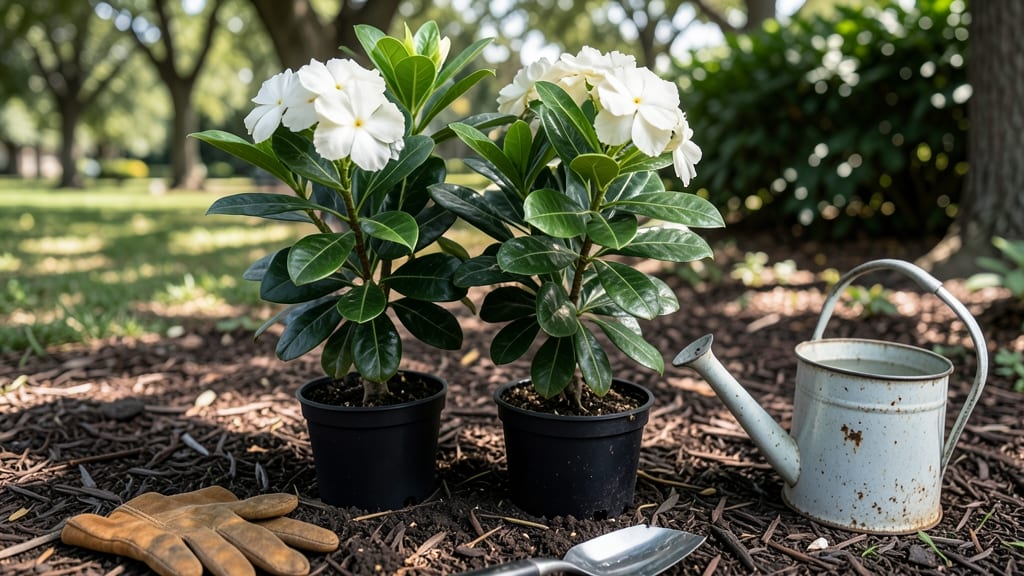
Plant gardenias in Georgia between March and April, when soil temperatures rise above 60°F and the last frost has passed—this is the sweet spot for root establishment before summer heat arrives.
Georgia gardeners know that timing is everything when planting gardenias—get it wrong, and your fragrant blooms may never thrive. But with the right frost-free window and microclimate knowledge, you can ensure your 🌸 gardenias take root perfectly.
Inland areas like Athens (Zone 7B) should wait until mid-April, while coastal regions like Savannah (Zone 8B) can plant as early as late February. The key? Soil warmth and avoiding transplant shock in those critical first weeks.
Below, I break down the exact planting windows by zone, how to test soil readiness, and whether container planting buys you extra flexibility in Georgia’s unpredictable spring.
Georgia gardenia planting timeline by hardiness zones (7A-8B)
Georgia's gardenia planting window is all about timing—especially since these acid-loving shrubs need 4-6 weeks to establish roots before winter sets in. In USDA Zones 7A-8B, your frost-free window typically opens in late March but varies by microclimate and elevation.
Coastal areas like Savannah (Zone 8B) can plant as early as mid-February, while the Piedmont region (Zone 7A) often waits until early April.
Soil temperature is your best indicator—gardenias thrive when soil reaches 65°F or warmer. Use a soil thermometer to confirm readiness, as cold soil can stunt root growth. In Zone 7A, this usually aligns with April 1-15, while Zone 8B gardeners can start 2-3 weeks earlier.
The key is planting 4-6 weeks before your area's first frost date (typically mid-November in Georgia).
Here’s your zone-by-zone planting timeline, including soil prep tips and frost buffer periods to ensure your gardenias survive and thrive:
| Zone | Last Frost Date | Ideal Planting Window | Soil Temp Requirement | Frost Buffer Period |
|---|---|---|---|---|
| 7A (Piedmont) | March 15–April 1 | April 1–April 30 | 65°F+ (soil) | 6 weeks before Nov 15 frost |
| 7B (North GA) | March 1–March 15 | March 20–April 15 | 65°F+ (soil) | 5–6 weeks before Nov 1 frost |
| 8A (Coastal) | February 15–March 1 | March 1–March 30 | 60°F+ (soil) | 4–5 weeks before Dec 1 frost |
| 8B (Savannah) | January 15–February 1 | February 15–March 15 | 58°F+ (soil) | 4 weeks before Nov 15 frost |
🌱 Pro Tip: Test soil pH (5.0–6.5) before planting—gardenias hate alkaline soil.
If you’re in Zone 7A and experience an early frost warning, delay planting until soil warms or use row covers to protect young plants. Conversely, Zone 8B gardeners can push the window to late February if soil temperatures are stable.
Always water deeply before planting to reduce transplant shock—a critical step for root establishment.
For container gardenias, adjust your timeline slightly. Potted plants can tolerate cooler soil temperatures (down to 55°F) but still need 4-6 weeks of warm weather to bloom. Move containers to a sheltered spot if nighttime temps dip below 50°F.
In Zone 7A, this might mean waiting until mid-April for containers, while in-ground plants can go in early April.
One common mistake is planting too late in the season. Gardenias need 6-8 weeks of warm weather to establish roots before winter dormancy. In Zone 7A, planting after May 1 risks weak root systems and poor blooming next year.
Use a moisture meter to ensure soil stays consistently damp (but not soggy) during the first 30 days after planting.
To extend your planting window, consider mulching with pine straw (which also lowers soil pH). Apply a 2-3 inch layer after planting to insulate roots and retain moisture.
In Zone 8B, you can even plant bare-root gardenias as late as early April if you mulch heavily and water daily for 2 weeks.
Finally, monitor local weather patterns. Georgia’s microclimates can shift planting windows by 2-3 weeks. Check the National Weather Service for frost advisories and adjust your timeline accordingly. With the right timing, your gardenias will reward you with fragrant blooms by summer—worth the wait! 🌸
Microclimate adjustments: how Georgia’s coastal vs. Piedmont regions affect planting
Georgia’s coastal and Piedmont regions create dramatically different growing conditions for gardenias. While coastal areas (Zone 8A/8B) enjoy milder winters and higher humidity, the Piedmont (Zone 7A/7B) faces cooler nights and faster soil drying.
These differences mean your planting timeline and soil prep should vary by location to avoid transplant shock or winter damage.
In coastal Georgia, gardenias can often be planted as early as February because the soil warms faster and frost is rare. However, in the Piedmont, wait until mid-April when nighttime temperatures consistently stay above 55°F.
This delay helps roots establish before the first autumn frost hits inland areas earlier than the coast.
Soil drainage becomes another critical factor. Coastal gardenias thrive in sandy loam with excellent drainage, while Piedmont soils often need amendments like peat moss to prevent waterlogging. Both regions require acidic soil (pH 5.0-6.5), but Piedmont gardeners must test soil more frequently due to higher clay content.
| Factor | Coastal Georgia (Zone 8A/8B) | Piedmont Georgia (Zone 7A/7B) |
|---|---|---|
| Ideal Planting Month | February-March | Mid-April |
| Soil Drainage Needs | Excellent (sandy) | Amend with peat moss |
| Humidity Impact | High (fungus risk) | Moderate (drier air) |
| First Frost Date | Mid-November | Early November |
| Winter Care | Light mulch | Heavy mulch + frost cloth |
Piedmont gardeners can extend their growing season by using row covers or planting in sheltered microclimates like near south-facing walls. Coastal gardeners should focus on air circulation to combat humidity-related diseases.
Both regions benefit from container planting if soil conditions are poor, allowing you to control drainage and moisture levels more precisely.
For coastal plantings, aim to get gardenias established by April 15 to ensure they bloom by summer. In the Piedmont, wait until May 1 to give roots time to harden off before the first frost.
This timing difference might seem small, but it can mean the difference between a thriving shrub and one struggling to survive winter.
Remember that gardenias are sensitive to transplant shock, so always water deeply 2-3 days before planting and use mycorrhizal fungi to help roots adapt. Whether you're on the coast or in the Piedmont, these microclimate adjustments will help your gardenias flourish year after year.