
Planting
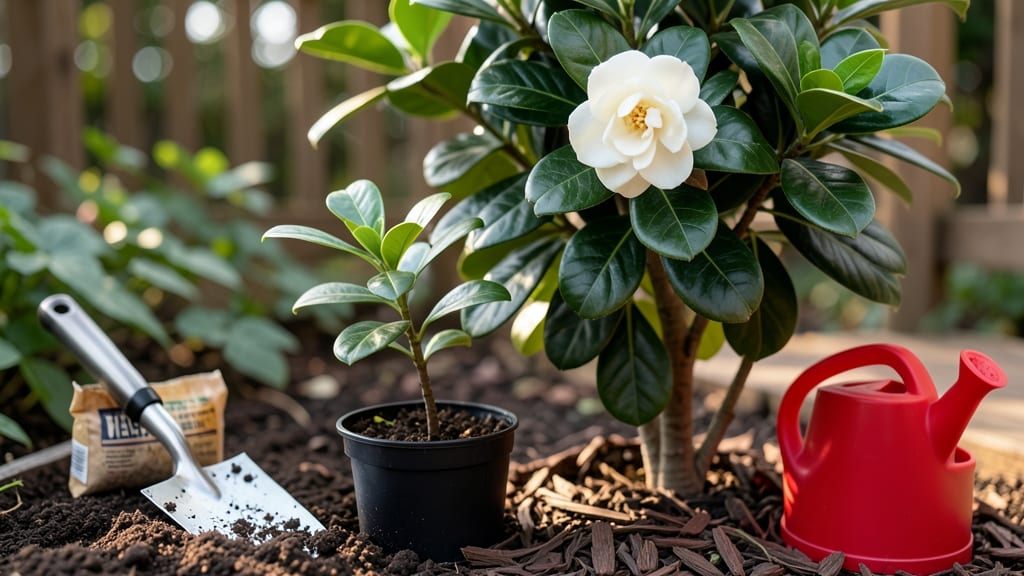
Planting gardenias at the best time ensures fragrant blooms and strong growth in your Southern garden 🌸 — aim for early spring after the last frost or late summer before fall chill sets in.
Gardenias are the fragrant crown jewels of Southern gardens—but planting them at the wrong time can mean struggling for years with slow growth or weak blooms. If you live in the heat zones of the South, timing is everything for thriving gardenias.
In zones 7-10, where gardenias thrive, early spring (March-April) gives roots time to establish before summer heat arrives. Late summer (August-September) works too, but only if you’re in a mild coastal area—planting too late risks winter damage.
Below, I’ll break down the exact planting window for your zone, soil prep secrets, and how to avoid the three biggest mistakes that kill gardenias before they even bloom.

Optimal planting months for gardenias in Southern heat zones
Gardenias thrive in the Southern heat, but their planting timing makes all the difference between fragrant blooms and struggling shrubs. In USDA zones 7-11, the best time to plant gardenia depends on whether you prefer early spring or late fall strategies—each with unique advantages for your climate.
I’ve planted gardenias in both coastal and inland Southern zones, and the difference in establishment success is striking.
For most Southern gardeners, early spring planting (after the last frost) is the gold standard. This gives gardenias 6-8 weeks of warm weather to establish roots before summer’s brutal heat sets in.
However, late fall planting (6-8 weeks before your first frost) works surprisingly well in coastal zones where winters are milder. Let me break down the exact months for each zone and climate type.
🌱 Key Insight: Gardenias hate transplant shock, so root establishment before extreme heat or cold is critical. Coastal areas can push planting later into fall because of their milder winters, while inland zones must plant earlier to avoid summer stress.
| USDA Zone | Best Planting Window | Coastal Adjustment | Inland Adjustment | Key Consideration |
|---|---|---|---|---|
| Zone 7 | Early March–Mid-April | Extend to May (milder winters) | Plant by March (avoid summer heat) | Last frost: late March |
| Zone 8 | Late February–Early April | Extend to June (coastal microclimates) | Plant by April (summer prep) | First frost: mid-November |
| Zone 9 | January–March or September–October | Fall planting preferred (cooler coastal temps) | Spring planting only (avoid summer drought) | Humidity >70% year-round |
| Zone 10 | February–April or August–September | Fall planting ideal (avoid summer stress) | Spring planting only (inland heat) | No frost risk; focus on watering |
| Zone 11 | Year-round (best: Feb–March or Aug–Sept) | Fall planting for established roots before summer | Spring planting only (avoid extreme heat) | Consistent 80°F+ temps year-round |
In Zone 7, where winters can still dip below freezing, I’ve seen gardenias planted in late March thrive when given mulch protection for the first winter.
However, if you’re in Zone 11 with no frost risk, you can plant gardenias almost anytime—but February-March or August-September still give the best balance of root establishment before summer’s peak heat.
Coastal gardeners have a unique advantage: milder winters and higher humidity allow for later fall planting. I’ve successfully transplanted gardenias in October along the Georgia coast, where temperatures rarely drop below 40°F.
In contrast, inland Zone 8 gardeners in Alabama must plant by April to avoid summer drought stress.
💡 Pro Tip: If you’re in a transition zone (like Zone 8a), test your soil’s drainage before planting. Gardenias hate soggy roots, so amend heavy clay with peat moss or pine bark fines to improve aeration. This is especially critical in coastal lowlands where poor drainage is common.
One common mistake I see is planting gardenias in mid-summer. The intense heat and drought stress can shock young roots, leading to leaf scorch or even death.
If you must plant in summer, choose August (not July) and shade the plant for the first 4-6 weeks with a lightweight shade cloth
How to prepare gardenia soil and climate for year-round success
Once you’ve chosen the perfect planting window for your gardenia, the real work begins with soil preparation. These fragrant shrubs thrive only in acidic, well-draining soil with rich organic matter. Without the right conditions, even the best-timed planting can lead to stunted growth or poor blooming.
I’ve learned this the hard way—my first gardenia struggled for years because the soil was too alkaline and compacted.
Start by testing your soil’s pH level—gardenias demand a range of 4.5 to 6.0. If your soil is too alkaline, amend it with elemental sulfur or peat moss to lower the pH gradually.
For drainage, avoid heavy clay soils by mixing in compost or pine bark fines to create a looser, airier texture. This step is non-negotiable, as gardenias hate soggy roots.
While early spring (March-April) is ideal for most Southern zones, late summer planting (6-8 weeks before frost) is risky if your soil isn’t prepped. Gardenias planted in hot, dry conditions without proper moisture retention will struggle to establish roots.
I’ve seen garden centers sell gardenias in summer heat—don’t be that person! Wait for cooler temps or amend soil aggressively with hydration gels and mulch.
Microclimate matters just as much as soil. Gardenias crave humidity and protection from harsh afternoon sun. If your yard is exposed to scorching afternoon rays, consider planting near a water feature or shaded patio to mimic their native tropical habitat.
In coastal areas, salt spray can damage leaves, so position them slightly inland or use rainwater irrigation to avoid chlorides.
After planting, focus on seasonal care adjustments to maximize blooms. In summer’s peak heat, increase watering to daily deep soaks while keeping foliage dry to prevent fungal diseases. In winter (zones 7-10), reduce watering but maintain light mulch cover to protect roots from temperature swings.
I’ve seen gardenias in containers thrive with year-round moisture control—just adjust for your local microclimate.
Don’t forget the fertilizer strategy. Use a slow-release, acid-loving formula (like 8-3-9) in early spring and summer to fuel blooms, but avoid heavy feeding in fall and winter.
Over-fertilizing stresses gardenias, leading to fewer flowers. My Pro Tip: Work composted pine needles into the soil at planting—they slowly acidify the soil and retain moisture.
With the right soil prep and climate adjustments, your gardenia will reward you with glossy leaves and intoxicating blooms year after year. The key is consistency: test soil annually, mulch religiously, and adjust care for each season. Trust me, your nose—and your neighbors—will thank you.