
Planting
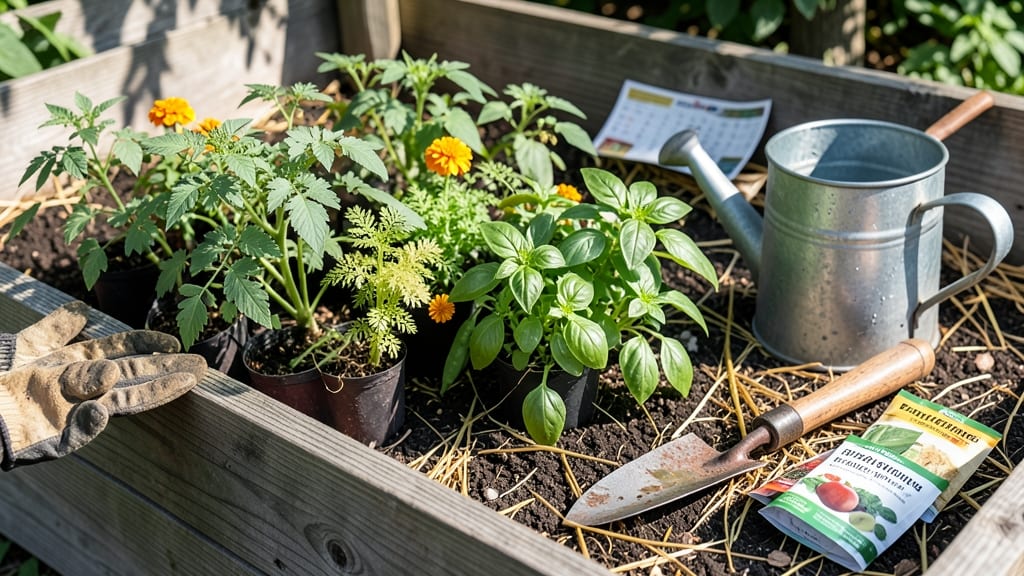
To plant a garden in Tennessee, time your spring sowing between mid-March and early April — but the exact date depends on whether you’re in the cooler Appalachian foothills or the warmer Memphis plains.
Tennessee’s diverse climate—from humid Appalachian valleys to hotter Delta regions—means planting your garden at the wrong time can mean stunted growth or total failure. But mastering the perfect planting window ensures bumper crops of tomatoes, peppers, and greens all season long.
Cool-season crops like spinach and broccoli can go in as early as February in Zone 7, while heat-lovers like peppers and squash wait until soil warms to 60°F or higher. Skipping this step is how you end up with leggy seedlings or bolted greens before harvest.
Below, I’ll break down the fastest planting schedule by zone, regional frost date adjustments, and how to stretch your growing season with succession planting—so you can avoid the common mistakes that waste time and money.
Tennessee planting zones explained: when to start seeds vs. transplants
Tennessee spans USDA Hardiness Zones 6b through 8a, creating unique microclimates where last frost dates can vary by 2-3 weeks between regions. In Zone 6b (East Tennessee mountains), gardeners typically see frost until mid-April, while Zone 8a (Memphis area) often enjoys frost-free soil by mid-March.
Understanding these zones helps you decide whether to start seeds indoors or transplant nursery starts for optimal growth.
For cool-season crops like spinach and broccoli, I recommend direct sowing seeds 4-6 weeks before the last frost—typically late February to early March in most of Tennessee. Warm-season crops such as peppers and squash thrive when soil temperatures reach 60°F+, usually late April to early May.
Frost-sensitive plants like tomatoes and basil should only go outdoors after all danger of frost has passed, typically mid-May in cooler zones and early April in warmer southern areas.
Soil temperature is your best guide for timing. Use a soil thermometer to confirm when to plant. Most seeds need 50-60°F soil for germination, while warm-season crops like cucumbers require 70°F+. In Tennessee, this often means waiting until late April or May for direct sowing of heat-lovers. For transplants, I always harden off seedlings for 7-10 days before setting them out after the last frost date.
Here’s a quick reference for Tennessee’s USDA Zones 6b-8a, including key planting windows and soil temperature thresholds:
| Zone | Last Frost Date | Cool-Season Start (Seeds) | Warm-Season Start (Transplants) | Soil Temp Threshold |
|---|---|---|---|---|
| 6b (East TN) | Mid-April | Late Feb - Early Mar | Mid-May | 50-60°F for cool crops |
| 7a (Middle TN) | Early April | Early Mar - Late Mar | Late April - Early May | 55-65°F for warm crops |
| 7b (Nashville) | Late March | Late Feb - Early Mar | Early April - Mid-April | 60-70°F for peppers/tomatoes |
| 8a (West TN/Memphis) | Mid-March | Early Feb - Late Feb | Late March - Early April | 65-75°F for heat-lovers |
In Zone 6b, I always start basil and tomatoes indoors by February 15th to ensure they’re ready for transplanting after the last frost. For Zone 8a, I can often plant warm-season crops like okra and sweet potatoes as early as March 1st if the soil has warmed sufficiently.
A clear plastic mulch can help raise soil temperatures by 5-10°F, giving you an earlier start for heat-loving plants.
For direct-sown seeds, timing is critical. Leafy greens like spinach and kale can tolerate light frosts, so I sow them 2-3 weeks before the last expected frost. Root crops such as carrots and beets also benefit from early planting, as they grow slowly and need consistent moisture.
In contrast, broccoli and cabbage prefer cooler soil and should be planted 4-6 weeks before the last frost date for optimal flavor and texture.
One common mistake I see is planting tomatoes and peppers too early, even if they’re transplants. These frost-sensitive plants will bolt or die if exposed to temperatures below 50°F. Always wait until the soil temperature consistently stays above 60°F before transplanting.
For extra protection in Zone 6b, I use frost cloth or row covers until mid-May to extend the growing season.
If you’re unsure about your specific last frost date, check local weather records or use the National Weather Service’s frost prediction tools.
For most of Tennessee, the average last frost date falls between March 15th and April 15th, but microclimates—like valleys or urban heat islands—can shift this by 1-2 weeks. Adjust your planting schedule accordingly to avoid frost damage or stunted growth.
Pro tip: Use biodegradable seed starters for early sowings. These 6-pack trays let you start seeds indoors 6-8 weeks before the last frost, giving seedlings a head start. For warm-season crops, I often use grow lights to maintain 70-75°F soil temperatures until transplanting time.
This method has helped me extend my growing season by 3-4 weeks in cooler zones.
Remember, Tennessee’s humid subtropical climate means summer heat arrives
Month-by-month Tennessee garden calendar: what to plant when for maximum yield
Tennessee’s gardening season stretches from early spring’s cool greens to late fall’s hearty harvests, but timing is everything. East Tennessee’s cooler microclimates (like Knoxville) differ from West Tennessee’s hotter zones (like Memphis), so I’ve tailored this calendar to help you maximize yields.
Whether you’re starting seeds indoors or transplanting nursery starts, these month-by-month guidelines ensure you’re planting at the optimal window for each crop.
For East Tennessee (USDA Zones 6b-7a), expect last frost dates around April 15–May 1, while Middle and West Tennessee (Zones 7b-8a) can plant 2–3 weeks earlier. Always check your local Cooperative Extension Service for precise frost dates—your garden’s success depends on it!
Pro tip: Use succession planting to keep your garden productive. For example, after harvesting early spring lettuce, replant with radishes or carrots—they mature quickly and won’t compete for space.
In West Tennessee’s hotter zones, opt for heat-tolerant varieties like Malabar spinach or okra to extend your harvest window.
Don’t forget to rotate crops annually to prevent soil depletion and pests. For instance, follow tomatoes (heavy feeders) with beans (nitrogen-fixers) the next season. This simple practice boosts soil health and reduces the need for synthetic fertilizers.
By aligning your planting schedule with Tennessee’s microclimates and frost dates, you’ll enjoy a longer harvest season and fewer garden failures. Start with these guidelines, then adjust based on your local conditions—your garden will thank you with bountiful yields all season long! 🌱