
Planting
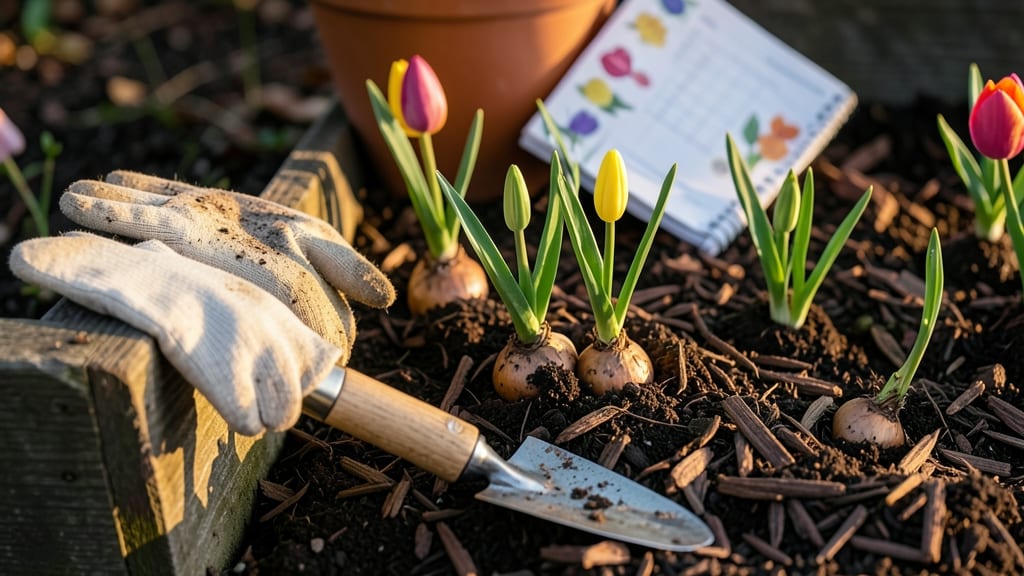
To plant a garden in East Tennessee, aim for March through May for cool-season crops and August through September for warm-season varieties—timing that aligns with the region’s 6a-7a hardiness zones and avoids late frosts.
East Tennessee’s mild winters and humid summers create a unique growing season—but planting too early or late can mean the difference between a thriving garden and a total flop. Knowing the exact timing for each crop in Zone 7b ensures you maximize yields and avoid frost damage.
Miss the window for tomatoes, and you’ll end up with six-foot vines and no fruit. Plant beans too late, and the summer heat will stunt their growth. The key is balancing soil warmth, frost dates, and crop sensitivity—especially in Zone 7b’s unpredictable spring.
Below, I break down the best planting months for vegetables, flowers, and perennials, plus how to adjust for microclimates, extend seasons, and recover if you miss the deadline.
East Tennessee Zone 7b planting deadlines by crop type (2024 guide)
East Tennessee’s Zone 7b climate offers a 180-day frost-free season, but timing is everything. The last average frost date typically falls around mid-April, while the first frost arrives in mid-October.
Missing these windows can mean lost harvests—especially for heat-sensitive crops like tomatoes or cool-season greens that bolt in summer heat.
To simplify, I’ve broken down planting deadlines by crop type—vegetables, flowers, and herbs—with actionable start dates for spring, summer, and fall.
Whether you’re a first-time gardener or a seasoned pro, these timelines help you avoid common mistakes like planting warm-season crops too early or cool-season crops too late.
| Crop Type | Planting Window | Key Deadlines | Notes |
|---|---|---|---|
| Cool-Season Vegetables | Feb–March, Aug–Sept | Last frost (mid-April), 6 weeks before first frost (late Sept) | Lettuce, spinach, kale, peas, broccoli |
| Warm-Season Vegetables | April–June, July (late) | 2–3 weeks after last frost (early May), July 15 (latest) | Tomatoes, peppers, beans, cucumbers, squash |
| Flowers (Annuals) | March–May, Aug–Sept | After last frost (early May), 8 weeks before first frost (late Aug) | Marigolds, zinnias, sunflowers, petunias |
| Herbs | March–April, July–Aug | After last frost (early May), July 1 (latest) | Basil, cilantro, parsley, dill, oregano |
| Perennials | March–April | Before bud break (late April) | Lavender, rosemary, asclepias (butterfly weed) |
For cool-season vegetables, like lettuce and spinach, start seeds indoors in February or direct-sow in late February to early March. These crops thrive in 50–65°F soil and can handle light frosts.
If you miss the spring window, plant again in late August for a fall harvest before the first frost.
Warm-season crops—think tomatoes, peppers, and beans—need to wait until the soil warms to at least 60°F, which typically happens by mid-to-late April in East Tennessee.
Plant these 2–3 weeks after your last frost date to avoid stunted growth. Tomatoes and peppers are especially sensitive; planting them too early can lead to blossom-end rot or poor fruit set.
Herbs like basil and cilantro have unique needs: basil loves heat and should go in after Memorial Day, while cilantro bolts in summer heat—so plant it in spring or fall only. For a continuous harvest, succession plant basil every 2–3 weeks from May through July.
Flowers add color and attract pollinators, but their timing varies. Annuals like marigolds and zinnias can handle light frosts, so sow them in early spring or late summer for fall blooms. Perennials, such as lavender, should be planted in early spring before new growth starts to establish strong roots.
Don’t forget about extended-season options! Use row covers or cold frames to push your spring planting back by 2–3 weeks or protect fall crops from early frosts. For example, kale and carrots can often survive light frosts and may even taste sweeter after a frost.
Pro tip: Mark your calendar for
How to adjust planting times for East Tennessee’s microclimates
East Tennessee’s Zone 7b climate isn’t one-size-fits-all—your garden’s success depends on understanding your specific microclimate. Whether you’re in the Appalachian foothills or a city heat zone, elevation, soil, and urban/rural differences can shift planting windows by weeks. I’ll show you how to fine-tune your schedule for peak growth.
Start by identifying your local frost patterns. While the average last frost is mid-April, mountain gardens near Great Smoky Mountains National Park can experience frost 2-3 weeks later than Knoxville’s urban core.
Use a minimum soil thermometer ($15 at garden centers) to confirm when your soil hits 50°F for cool crops or 60°F for warm-season plants.
- 🌿 High Elevation (1,500+ ft): Delay spring planting by 2-3 weeks—frost lingers longer. Example: Wait until May 1 for tomatoes instead of April 15.
- 🏙️ Urban Heat Zones: Plant warm crops (peppers, okra) 1-2 weeks earlier—concrete absorbs heat. Start seeds indoors by March 15 for outdoor transplanting by April 1.
- 💧 Heavy Clay Soil: Wait until soil warms to 65°F (use a thermometer) to avoid root rot in beans and squash. Test by squeezing soil—if it holds a shape, it’s too cold.
- 🛡️ Row Covers: Extend spring planting by 4 weeks for lettuce and spinach. Remove covers when temps hit 70°F to prevent bolting.
- ☀️ South-Facing Beds: Plant heat-lovers (tomatoes, basil) 1 week earlier than north-facing areas. Use reflective mulch to boost soil warmth.
For urban gardeners, pavement and buildings create "heat islands" that can push soil temps 5-10°F warmer than rural areas.
Test your spot by placing a thermometer in a can of water (like a DIY soil probe) for 3 days—if it’s consistently 10°F+ warmer, start warm-season crops 2 weeks earlier.
Use cold frames to jumpstart spring planting. Cover broccoli and cabbage in early March to harvest 3-4 weeks earlier than unprotected plants. Remove the frame when daytime highs hit 70°F to avoid overheating seedlings. Pro tip: Vent cold frames with binder clips on the lid for airflow.
Adjust your fall planting too—rural areas near Cherokee can keep planting kale and carrots until October 15, while city gardens may need to wrap up by September 30 due to earlier frosts.
Always have row covers ready to protect late-season crops from black frost (light frost that damages but doesn’t kill plants).
Remember: Soil temperature matters more than air temperature. A 50°F soil can support peas and lettuce, but the same air temp might feel too cold for tomatoes. Invest in a soil thermometer—it’s the #1 tool for Zone 7b gardeners tweaking planting times. Happy growing! 🌱