
Planting
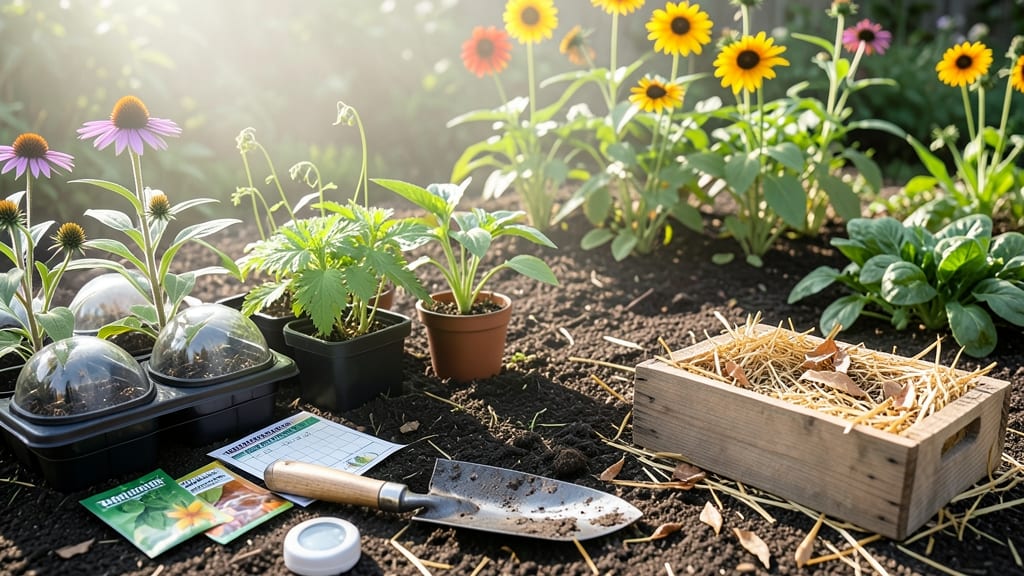
Planting your garden in Minnesota at the right time means the difference between a bountiful harvest and a frost-killed disappointment—timing is everything in zones 3-5.
Minnesota’s unpredictable climate can turn gardening into a high-stakes guessing game—plant too early, and frost will wipe out your efforts; too late, and you’ll miss peak harvests. But timing your garden right isn’t just about avoiding disaster—it’s about maximizing yields for everything from hardy kale to heat-loving tomatoes.
Most General Garden Plants 🌱 thrive when planted after the last frost, but warm-season crops like peppers and cucumbers need soil temperatures above 50°F to take off. That means late April to early May for cool-season crops, and waiting until early June for heat lovers.
Below, I break down the exact frost dates by region, the best crops for each planting window, and pro tips to stretch Minnesota’s short growing season—so you can grow more, waste less, and enjoy fresh produce from your garden all summer long.
Minnesota planting zones & frost dates: the exact timeline you need
Minnesota spans USDA Hardiness Zones 3-5, meaning your planting timeline can vary dramatically from the Northland’s Zone 3 to the Twin Cities’ Zone 4b or Southeast’s Zone 5a. These zones determine which plants thrive in your area and when you can safely plant them without risking frost damage.
For example, Zone 3 (like Duluth) has a shorter growing season than Zone 5 (like Rochester), so timing is everything.
Understanding average last frost dates is your secret weapon. In Minnesota, the 10-day rule is critical: Wait until the frost risk drops below 10% before planting frost-sensitive crops like tomatoes or peppers.
This rule gives your young plants a buffer to establish roots before Mother Nature throws a late freeze your way. For instance, in the Twin Cities, the average last frost is around May 10, but in the Northland, it can linger until May 20 or later.
Here’s the game-changer: Use the Almanac’s Frost-Free Date Calculator (available at [Almanac.com](https://www.almanac.com)) to input your exact ZIP code. This tool provides hyper-local frost dates tailored to your microclimate—whether you’re in a city heat island (like Minneapolis) or a rural valley (like the St. Croix River region).
Pro tip: Urban areas often warm up faster, giving you an extra 3-5 days of growing time compared to surrounding countryside.
Let’s break down the three key Minnesota regions and their frost dates to help you plan like a pro.
Whether you’re in the Northland’s Zone 3, the Twin Cities’ Zone 4, or the Southeast’s Zone 5, knowing these dates will help you avoid the heartbreak of a late-spring frost wiping out your seedlings.
| Region | USDA Zone | Avg. Last Frost | Avg. First Frost | Frost-Free Days | Key Crops for Early Planting |
|---|---|---|---|---|---|
| Northland (Duluth, International Falls) | Zone 3 | May 20 - 25 | September 20 - 25 | 120-130 days | Peas, spinach, kale, radishes, potatoes |
| Twin Cities (Minneapolis, St. Paul) | Zone 4b | May 10 - 15 | October 5 - 10 | 140-150 days | Lettuce, carrots, beans, cucumbers, tomatoes (with row covers) |
| Southeast (Rochester, Winona) | Zone 5a | May 5 - 10 | October 10 - 15 | 150-165 days | Peppers, eggplants, melons, sweet corn, late tomatoes |
Now that you’ve got the frost dates locked in, let’s talk soil temperature. Many warm-season crops (like tomatoes and peppers) need soil temps of at least 50°F to germinate.
In Minnesota, this usually aligns with late May, but in Zone 3, you might not hit that mark until early June. Use a soil thermometer to check—it’s the only way to know for sure.
If your soil is too cold, consider starting these crops indoors or using black plastic mulch to warm the soil faster.
For cool-season crops (like spinach, peas, and lettuce), you can plant as early as late March or early April under row covers or in a cold frame. These plants can tolerate light frosts, but avoid planting them too soon—soil that’s below 40°F will slow germination.
A trick I use is to plant peas in early April and then follow up with lettuce in late April once the soil warms slightly. This succession planting strategy keeps your harvests coming all season.
Don’t forget about fall planting! In Minnesota, you can often extend your growing season into September or even October, depending on your zone. For example, in Zone 5, you might plant spinach and kale in early August
Cold-hardy crops vs. warm-season plants: what to plant when in Minnesota
Minnesota’s short growing season forces tough choices—do you prioritize early spring greens that brave frost or warm-season staples that demand heat? The difference between a bountiful harvest and a wasted season often comes down to timing.
Cold-hardy crops like spinach and peas can handle 40°F soil, while tomatoes and peppers won’t thrive until soil hits 60°F+. Let’s break down the best planting windows for your zone, whether you’re in Zone 3 (Northland) or Zone 5 (Twin Cities/Southeast).
Your planting strategy should align with soil temperature, not just air temperature. For example, radishes sprout in 30°F soil, but cucumbers need 70°F+ to set fruit. In Zone 3, you’ve got 120 frost-free days—every week counts.
Meanwhile, Zone 5 gardeners enjoy 165 days, but late frosts can still sneak in. Use soil thermometers to avoid costly mistakes, especially for warm-season transplants like peppers and eggplants, which are finicky about timing.
For Zone 3 gardeners, the key is early starts and season extension. I’ve had success with peas under row covers in early April—sometimes they’re snowed on, but they bounce back. Meanwhile, spinach and radishes can handle light frosts, giving you harvests by June if planted in March.
In Zone 5, you’ve got more flexibility, but don’t wait until June to plant tomatoes—soil may still be too cool for optimal growth. Start seeds indoors in March and transplant after the last frost (usually May 10-20 in the Twin Cities).
Warm-season plants like cucumbers and beans are high-reward but high-risk in Minnesota. If you plant them too late, you’ll get small, bitter fruit before frost. My trick? Use black plastic mulch to raise soil temps 10-15°F faster and plant on black for earlier harvests. For peppers, which are extra-sensitive