
Planting
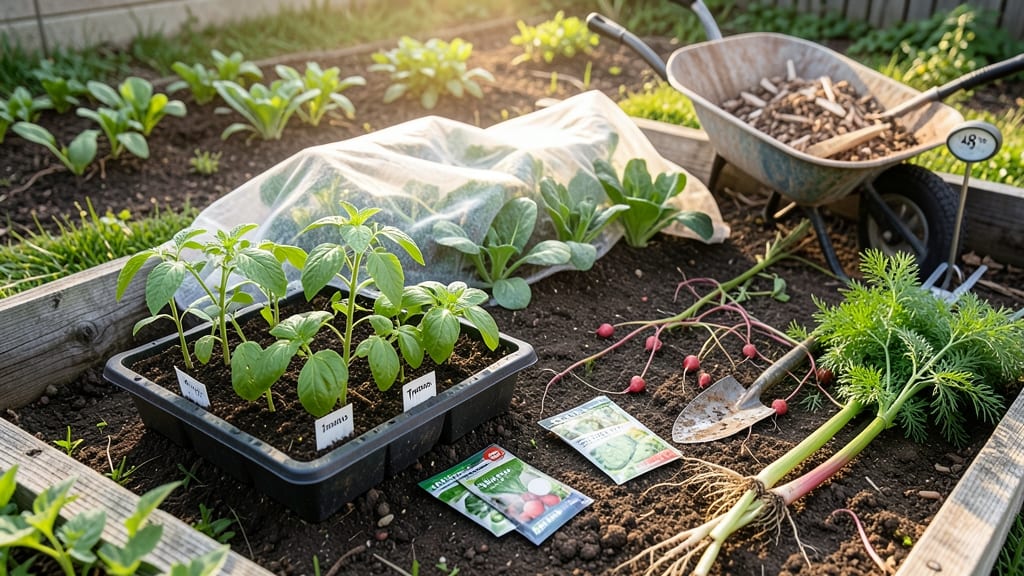
To plant a garden in Pennsylvania at the perfect time means timing your seeds and transplants to avoid late frosts that can wipe out tender seedlings.
Pennsylvania’s diverse microclimates—from the frosty Pocono Mountains to the humid Pittsburgh valleys—mean your garden’s planting window can vary by weeks, not just days. Get the timing wrong, and your tomatoes could bolt before fruiting, or your peppers might never survive the late spring chills.
Since USDA zones 6a-7a span 165 frost-free days, cool-season crops like lettuce and peas can go in as early as March in southern regions, while warm-season favorites like tomatoes and peppers need to wait until mid-May in the north.
The key is knowing your last frost date—and adjusting for microclimates that can shift deadlines by 2-3 weeks.
Here’s how to pinpoint the exact zero-frost risk deadlines for your PA zone, crop by crop, so you can maximize your harvest without the guesswork.
Pennsylvania’s planting zones explained: when to start seeds and transplant by region
Pennsylvania spans USDA Hardiness Zones 5a to 7a, creating dramatic differences in planting windows. While Philadelphia (Zone 7a) might see its last frost by April 15th, the Poconos (Zone 5a) can linger until May 15th.
Even within cities, microclimates matter: Pittsburgh’s valleys warm faster than its hills, while Erie’s lake-effect delays spring by 2-3 weeks. These variations mean your tomato seeds could be ready to transplant in late May in one county but not until early June just 50 miles away.
To navigate this complexity, I’ve broken down PA’s zones with last frost averages, seed-starting deadlines, and transplant windows for both cool-season crops (like kale) and warm-season crops (like peppers).
Urban gardeners in Philadelphia or Pittsburgh can push their schedules earlier, while rural areas in Lancaster or Scranton should plan for later starts. Elevation also plays a role—every 1,000 feet gain can delay spring by 1 week.
Here’s the zone-by-zone breakdown you need to time your plantings perfectly, plus a microclimate adjustment calculator to fine-tune for your specific location. Pro tip: Bookmark your local National Weather Service frost alerts—they’re your early warning system for late-season surprises.
For cool-season crops like spinach or broccoli, start seeds 4-6 weeks before your last frost. In Zone 5a, that means mid-March for a May 15th transplant, while Zone 7a gardeners can begin as early as late February.
These crops thrive in 50-65°F soil, so wait until daytime temps consistently stay above 40°F to avoid stunted growth. I’ve lost count of the times I’ve rushed and ended up with bolting lettuce—don’t let that happen to you!
Warm-season crops like tomatoes and peppers need a head start indoors. Begin seeds 6-8 weeks before your last frost, which for Zone 6a means late February to mid-March. Transplant them outdoors only after soil temps hit 60°F—a soil thermometer is your best friend here.
In Erie’s cooler climate, I’ve found that black plastic mulch warms the soil by 5-10°F, creating a microclimate that lets me transplant 2 weeks earlier than the calendar suggests.
PA’s first frost dates also dictate your fall planting strategy. In Zone 5a, the average first frost hits October 10th, giving you just 165 frost-free days. That’s why I prioritize fast-maturing varieties like bush beans (50 days) or radishes (25 days) for late-season plantings.
For Zone 7a, you’ve got until October 25th, so you can
Zero-frost risk crops in PA: the 10 fastest-growing vegetables to plant after your last frost
Pennsylvania’s summer growing season is short—often just 120-150 days between the last spring frost and first fall frost. To maximize your harvest, focus on fast-maturing, heat-tolerant crops that thrive in PA’s Zone 5a-7a.
These varieties can go from seed to table in under 60 days, giving you a safety net if your planting gets delayed.
The key is timing: plant these after your last frost date (typically May 15-June 1 in most of PA) and harvest before the first frost (usually October 1-15).
I’ve ranked these 10 crops by speed, heat tolerance, and reliability in PA’s climate. Each entry includes exact days-to-harvest and a "safety net" planting window—so even if you’re a week late, you can still beat the frost.
For example, bush beans and radishes are my go-to "insurance crops" because they mature in 30-40 days, leaving little room for failure. Let’s dive into the list, starting with the fastest growers.
- 1. Radishes – 25-30 days | Plant 2-3 weeks before last frost (successive plantings every 2 weeks).
- 2. Bush Beans – 45-55 days | Direct sow after last frost (June 1-15 in most of PA).
- 3. Zucchini – 45-55 days | Transplant 2 weeks after last frost (May 30-June 10).
- 4. Basil – 30-45 days | Start seeds indoors 4-6 weeks before last frost or direct sow after frost.
- 5. Lettuce (Leaf Types) – 30-40 days | Sow 4-6 weeks before last frost or late summer for fall harvest.
- 6. Spinach – 35-45 days | Plant early spring or late summer (avoid summer heat).
- 7. Cucumbers – 50-60 days | Transplant 2 weeks after last frost (use trellis to save space).
- 8. Green Onions – 50-60 days | Direct sow after last frost or late summer for fall harvest.
- 9. Peppers (Early Varieties) – 60-70 days | Start indoors 8-10 weeks before last frost or transplant after frost.
- 10. Kale – 50-60 days | Sow 4-6 weeks before last frost or late summer for cold-hardy fall harvest.
If you’re a late starter (like me in 2023 after a late frost), don’t panic. Focus on the top 5 fastest crops—radishes, bush beans, zucchini, basil, and lettuce—because they can still be harvested before the first frost if planted by mid-July.
For example, I planted bush beans on July 10 in my Zone 6a garden, and they produced pods by August 5—just in time for a late-summer harvest. The trick is succession planting: sow small batches every 2 weeks to stagger harvests and extend your season.
For heat-sensitive crops like peppers and tomatoes, start seeds indoors 8-10 weeks before your last frost (so mid-March for most of PA).
If you miss that window, opt for container gardening—pots warm up faster and can be moved to a sunny patio or garage with grow lights to extend the season.
I’ve had success with cherry tomatoes in 5-gallon buckets on my deck, harvesting until mid-October with a row cover for extra protection.
One common mistake I see is overestimating how fast crops grow. For instance, zucchini might look ready in 45 days, but if you plant it on June 15, you’re cutting it close—especially in