
Planting
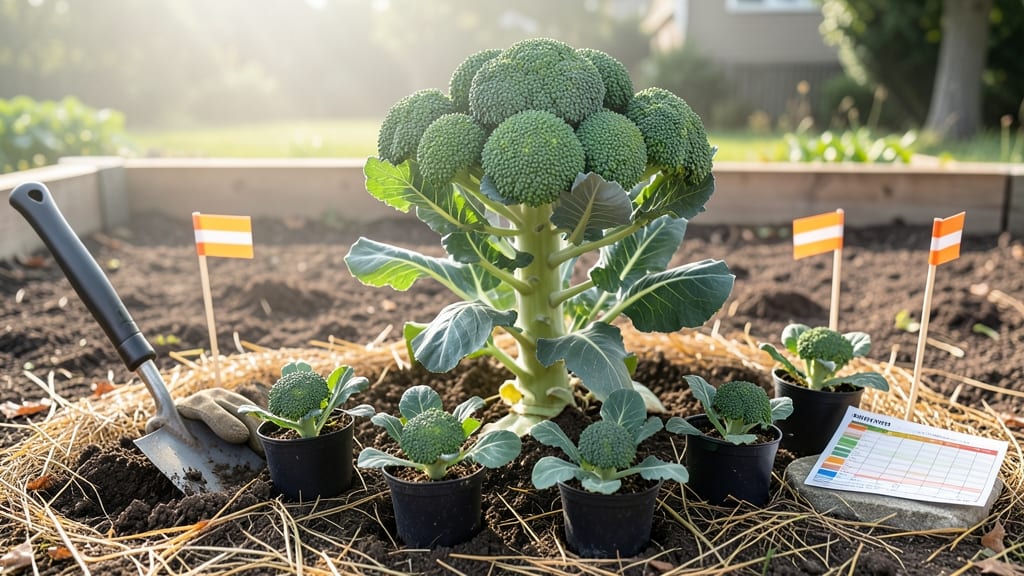
Planting a fall garden in Missouri means starting 4-6 weeks before frost—typically between mid-August and early September—to catch that sweet spot between summer heat and winter chill.
Picture this: you’ve just harvested your tomatoes, but instead of putting the garden to bed, you’re planting kale, carrots, and spinach that’ll thrive right up until December. The key? Knowing when to start so your crops mature before the ground freezes.
Missouri’s USDA zones 5b-6b give you a longer window than many northern states, but a late start can leave your greens struggling by November. Whether you’re in St. Louis, Kansas City, or rural areas, the right timing ensures a bountiful harvest before frost locks things in.
Below, I’ll break down the exact planting dates by crop, adjust for your local microclimate, and share the three biggest mistakes Missouri gardeners make—and how to avoid them.
Missouri fall planting deadlines by crop type (with frost dates)
Missouri’s fall frost dates vary by region—St. Louis averages its first frost on October 15, while rural areas like Columbia may see frost as early as October 1.
Kansas City typically falls in between, with October 10 as the average. These dates determine your planting window for cool-season crops that thrive before winter sets in.
For a successful fall harvest, aim to plant most vegetables 4-6 weeks before frost. This means starting seeds indoors or buying transplants in late July to early August for early varieties, or direct-sowing in August for slower growers.
Leafy greens like spinach and kale can even handle light frosts, sweetening their flavor!
Missouri’s USDA zones 5b-6b support a wide range of fall crops, from hardy broccoli to delicate radishes. Below is your crop-specific planting timeline, organized by frost-sensitive, moderate, and cold-hardy categories to maximize your garden’s potential.
For St. Louis gardeners, the September 1 deadline is critical—most leafy greens won’t mature if planted later. In Kansas City, you have until August 25 for frost-sensitive crops like broccoli, while rural areas must start by August 15 to avoid frost damage. Use row covers to
How to adjust planting dates for Missouri’s microclimates
Missouri’s diverse geography means your fall planting schedule might differ dramatically from your neighbor’s—even just a few miles away. Elevation shifts, urban heat islands, and soil warmth variations create microclimates where frost arrives weeks earlier or later.
For example, St. Louis averages its first frost on October 15, while mountainous regions like the Ozarks may see frost as early as September 25. Understanding these differences lets you fine-tune your fall garden timing for maximum success.
Start by identifying your local microclimate. Urban areas like Kansas City or Columbia often stay warmer due to concrete and pavement, delaying frost by 7–10 days compared to rural areas. Meanwhile, higher elevations (like Huzzah Valley) cool faster, requiring earlier plantings.
Use USDA Zone 5b–6b maps as a baseline, then adjust based on your specific conditions—like whether your garden sits in a sunny south-facing slope or a shady valley.
- 1 Check your frost date: Use Missouri’s average first frost (Oct 15) as a starting point, but verify with local weather stations or Missouri Botanical Garden data. Adjust 2–3 weeks earlier if you’re in the Ozarks or 3 weeks later for urban heat islands.
- 2 Soil warmth matters: Test soil 2–3 inches deep—it should be 50–60°F for cool-season crops like kale or spinach. Use a soil thermometer in your garden; urban soils may stay 5–10°F warmer than rural areas, allowing later plantings.
- 3 Urban vs. rural timing: In cities, plant lettuce or radishes 2 weeks later than rural areas. For example, if your neighbor plants on August 15, you might wait until August 29 in a heat-trapping urban garden.
- 4 Elevation adjustments: For every 1,000 feet in elevation gain, expect frost 3–5 days earlier. If you’re in the Ozarks, plant broccoli or carrots by July 20 instead of August 1.
- 5 Use row covers: Extend your season by 2–4 weeks with floating row covers. In cooler microclimates, this lets you plant onion sets or peas 3 weeks later than the standard timeline.
Don’t rely on neighborhood advice—your microclimate could be entirely different.
For instance, a north-facing garden in St. Louis might need earlier plantings than a south-facing urban lot just blocks away. Test your soil temperature for 3 days to confirm readiness, and monitor local weather forecasts for unexpected cold snaps.
Even a 5°F dip can damage tender lettuce or spinach seedlings.
Pro tip: Plant in succession to account for microclimate delays. Start with fast-growing crops like radishes (30 days to harvest) in early August, then add slower varieties like kale (60 days) 2 weeks later.
This staggered approach ensures a continuous harvest, regardless of your local frost date. If you’re unsure, consult your county extension office—they track hyper-local frost data and can provide customized planting charts.
Remember, Missouri’s fall garden thrives on precision. By accounting for your unique microclimate, you’ll avoid the heartbreak of frost-killed seedlings or underripe harvests. With the right adjustments, you’ll enjoy homegrown greens well into November—even if your neighbor’s garden is already blanketed in snow. 🌱