
Planting
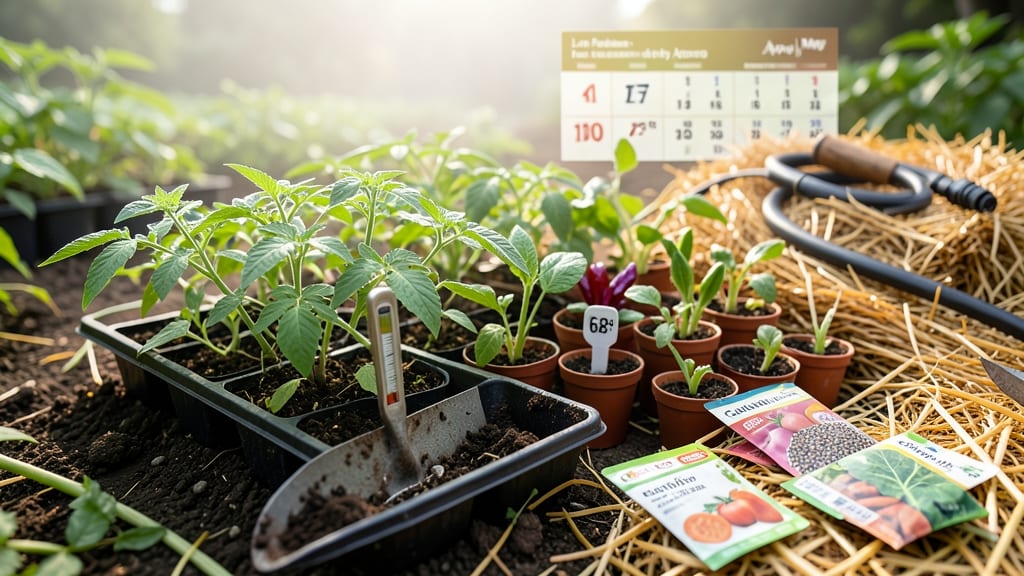
Planting a vegetable garden in Mississippi means timing your crops right to beat the heat and avoid late freezes 🌱—cool-season veggies go in by early April, while heat lovers wait until May or later.
Mississippi’s long, hot summers and unpredictable frost dates can make timing your vegetable garden tricky—but planting at the right moment ensures bountiful harvests instead of wilted dreams.
In USDA zones 7b-9a, the last frost typically hits around March 15, but northern Mississippi holds onto cold a little longer. That means cool-season crops like lettuce and broccoli need to be in the ground by early April, while tomatoes and peppers can wait until after Memorial Day.
Below, I’ll break down the best planting windows for every crop, heat-tolerant varieties that thrive in 90°F+ temps, and Mississippi-specific hacks to stretch your growing season—so you can enjoy fresh produce from spring through fall.
Mississippi’s frost-free planting windows by month: avoid late freezes
Mississippi’s USDA Zones 7b-8a create a unique gardening challenge—unpredictable frost dates and scorching summers demand precise timing. Cool-season crops like lettuce and broccoli need early starts, while okra and sweet potatoes thrive only after the last frost. The key?
Planting 4-6 weeks before your region’s average last frost for cool crops, and 2-3 weeks after for heat-lovers.
My garden in North Mississippi (Zone 7b) gets frost as late as April 15, while South Mississippi (Zone 8a) often warms up by March 15—a month-long difference that can ruin your harvest.
To navigate this, I use three planting windows: spring (March-April), summer (June-July), and fall (August-September). Each window aligns with temperature shifts and soil warmth. For example, tomatoes planted in late April risk frost damage, but those sown in May flourish.
Meanwhile, fall crops like kale must go in by August 15 to mature before November’s first frost. Below, I’ve broken down the exact frost-free windows by month, including regional adjustments for North vs. South Mississippi.
⚠️ CRITICAL NOTE: Mississippi’s late-spring freezes (even in May!) can devastate young plants. Always check the National Weather Service or local Mississippi State Extension for 10-day forecasts before planting frost-sensitive crops like peppers or eggplants. I once lost my entire bell pepper crop to a May 10°F drop—a lesson I won’t forget!
| Month | Avg. Last Frost (North MS) | Avg. Last Frost (South MS) | Cool-Season Crops to Plant | Warm-Season Crops to Plant | Frost Risk |
|---|---|---|---|---|---|
| February | High (Zone 7b) | Low (Zone 8a) | Spinach, Kale, Peas | None (too cold) | ❄️ Very High |
| March | April 15 | March 15 | Lettuce, Broccoli, Carrots | Onions (sets) | ❄️ Moderate (late freezes) |
| April | April 30 | April 15 | Cabbage, Radishes, Beets | Peppers, Eggplants (after frost) | ⚠️ Low (but watch forecasts!) |
| May | None | None | None (too hot) | Tomatoes, Cucumbers, Okra | ☀️ None |
| June | None | None | None | Sweet Potatoes, Southern Peas | ☀️ None |
| August |
Best heat-tolerant vegetables for Mississippi gardens: what thrives in 90°F+When Mississippi temperatures soar past 90°F, most gardeners pack up their trowels—but the right heat-loving crops can thrive under the blazing sun. These 10+ vegetables not only survive but prosper in our humid subtropical climate, offering bountiful harvests when others wilt. The secret? Choosing varieties bred for high heat tolerance and pairing them with smart watering and mulching strategies. Southern gardens have long relied on these heat-resistant staples, from okra (a Mississippi classic) to Malabar spinach, which stays crisp even when temps hit 100°F+. The key is planting them at the right time—after your last frost date—but also giving them the extra care they need to beat the heat. Let’s dive into the top performers and how to grow them like a pro. 🌡️ Top Heat-Tolerant Vegetables for Mississippi
Pro Tip: Mulch with straw or black plastic to retain moisture and keep roots cool. Water deeply in the morning to avoid fungal issues. For okra and sweet potatoes, timing is critical. Plant okra seeds directly into the soil 2-3 weeks after your last frost (typically mid-April in most of Mississippi). Sweet potato slips should go in the ground after soil temps reach 65°F, usually by late April or early May. Both love well-draining soil and full sun, so choose a spot that gets at least 6-8 hours of sunlight daily. If you’re growing Southern peas or Malabar spinach, these drought-tolerant greens are perfect for succession planting throughout the summer. Sow seeds every 2-3 weeks to ensure a continuous harvest. Pair them with shade-loving companions like lettuce or Swiss chard to create a microclimate that stays cooler in peak heat. Don’t forget about companion planting—it’s a game-changer for heat-stressed gardens. For example, okra and sweet potatoes thrive when planted near corn, which provides shade and improves soil structure. Meanwhile, peppers and eggplants benefit from being near basil, which repels pests and enhances flavor. These natural partnerships reduce stress on your plants and boost yields. When the thermometer climbs, focus on mulching and shade cloth to protect your heat-tolerant crops. A 3-4 inch layer of mulch keeps roots cool and retains moisture, while 30-50% shade cloth can save |