
Planting
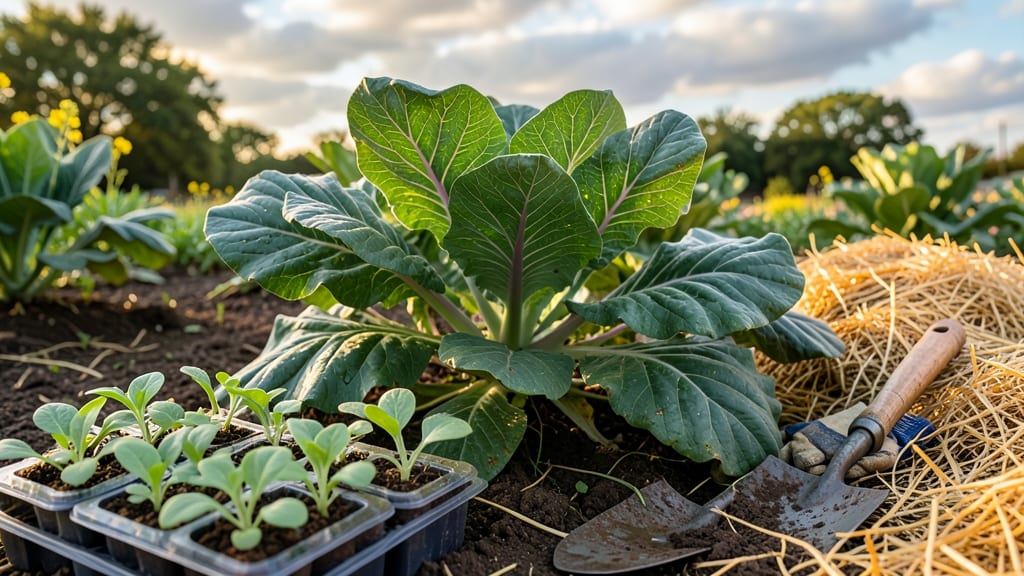
Planting your Fall Vegetable Garden 🌱 in Louisiana between late August and early October is the key to beating the heat and harvesting before frost.
Louisiana’s long, steamy summers can make gardening feel like a losing battle—but the fall season offers a second chance to grow thriving crops before the first frost. Timing is everything, and planting too early or too late can mean the difference between a bumper harvest and a sad, wilted disappointment.
In USDA Zones 8a-9b, where summer heat lingers well into September, you’ll need to pick the right crops and planting windows to avoid bolting or stunted growth. The good news? Cool-season favorites like kale, broccoli, and carrots actually thrive in Louisiana’s humidity when planted at the right time.
Below, I’ll break down the best planting dates by crop, soil prep tips for Louisiana’s heavy clay, and how to adjust for hurricanes or late-season heat waves. Let’s make this your most productive fall garden yet!
Optimal planting dates for Louisiana’s fall garden by month
Timing your Louisiana fall garden is like hitting a moving target—too early, and your crops bolt in the heat; too late, and frost zaps your harvest.
The key is understanding USDA Zones 8a-9b, average first frost dates (December 1 in most areas), and how humidity and soil warmth affect seed germination.
Coastal regions like New Orleans often have slightly milder conditions than inland Shreveport, so adjust planting windows by 1-2 weeks if you're near the Gulf.
Start by clearing summer crops and amending soil with compost to improve drainage—Louisiana’s clay-heavy soil can trap too much moisture. Test your soil’s pH (aim for 6.0-7.0 for most fall crops) and consider adding organic matter to retain moisture during dry spells.
Once your beds are prepped, use this month-by-month guide to plant with precision for a bountiful fall harvest.
⚠️ CRITICAL NOTE: Louisiana’s hurricane season can disrupt planting. If a storm is forecast, delay outdoor sowing until after September 15 to avoid seed washout or transplant loss.
For coastal Louisiana (e.g., New Orleans, Lafayette), adjust planting dates 1-2 weeks earlier thanks to the Gulf’s moderating influence. Inland areas (e.g., Shreveport, Alexandria) may need to plant 1-2 weeks later due to hotter, drier conditions.
Always check your local frost-free date—some years, the first frost hits as early as November 15 in northern Louisiana.
Succession planting is your secret weapon in Louisiana’s short fall
Best humidity-tolerant fall crops for Louisiana gardens
Louisiana’s high humidity and lingering summer heat can make fall gardening tricky, but the right crops thrive in these conditions. Unlike summer crops like okra or sweet potatoes, which struggle as temperatures drop, certain leafy greens, brassicas, and herbs not only survive but flourish.
The key is choosing varieties bred for heat tolerance and quick maturity before the first frost—typically around December 1 in most of the state.
Why do some crops fail in Louisiana’s fall? Often, it’s a mismatch between the plant’s heat tolerance and the rapid cooling of late autumn. For example, lettuce bolted in summer heat but can rebound in cooler fall temps if planted at the right time.
Meanwhile, collard greens and mustard greens actually sweeten as temperatures drop, making them perfect for Louisiana’s climate.
🌱 Top 5 Humidity-Tolerant Fall Crops for Louisiana
- 1. Collard Greens – Heat-tolerant, thrives in 70-85°F, and becomes sweeter after light frosts. Plant August-September for a fall harvest.
- 2. Mustard Greens – Fast-growing (30-40 days), handles humidity well, and adds peppery flavor to dishes. Sow September-October.
- 3. Turnips – Both greens and roots tolerate heat and partial shade. Harvest greens in 4-6 weeks or roots in 60 days.
- 4. Swiss Chard – Heat-resistant and productive, with colorful stems that add visual appeal. Plant August-September.
- 5. Cilantro – Bolts in summer heat but rebounds in fall. Use shade cloth in late September to extend harvest.
💡 Pro Tip: Avoid cabbage and broccoli in late fall—they bolt quickly in Louisiana’s short days.
For root vegetables, carrots and radishes are excellent choices. They mature quickly and tolerate the humid subtropical climate better than slower-growing crops. Plant carrots in August for a harvest before the ground hardens, and radishes in September for a fast turnaround.
Herbs like basil and dill can also make a late-season comeback if planted in early August. While basil typically struggles in cooler temps, some varieties (like Genovese) can handle 60-70°F nights. Pair it with dill, which thrives in humidity and adds a bright flavor to fall salads.
One crop to avoid in Louisiana’s fall garden? Tomatoes. While they love heat, they struggle with short daylight hours and fungal diseases like early blight. Instead, focus on leafy greens, brassicas, and herbs that prioritize heat tolerance and quick maturity.
With the right choices, your fall garden can be just as productive—and delicious—as your summer one.