
How To
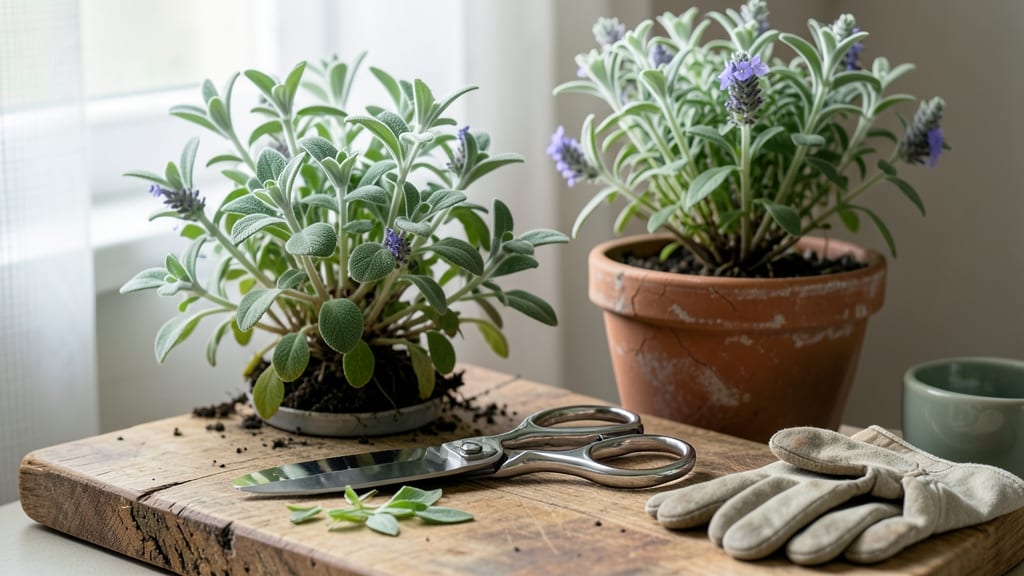
To harvest garden sage at its peak flavor, focus on the leaves just before flowering when they’re dark green and aromatic—this is the sweet spot for both taste and plant health.
Picture this: you’ve spent months nurturing your 🌿 sage, and now you’re ready to reap the rewards. But if you cut too early or too late, you could end up with bitter leaves—or worse, a struggling plant.
The key is timing, technique, and knowing how to encourage regrowth so your sage keeps giving year after year.
Harvesting sage isn’t just about snipping leaves—it’s about working with the plant’s natural rhythm. Late summer to early fall (August through October) is prime time, but even a well-timed cut in spring can set your sage up for a second harvest.
The right tools and methods make all the difference between a bountiful yield and a sad, stunted bush.
In this guide, I’ll walk you through when to harvest, how to trim without harming your plant, and the best ways to preserve your harvest—so you can enjoy fresh sage in your kitchen all season long.

Best time to harvest sage for maximum flavor and plant health
Timing your sage harvest correctly is key to preserving its aromatic oils and ensuring your plant thrives. Harvesting too early or too late can weaken your garden sage or even kill it if done improperly.
The best time to harvest focuses on seasonal cues and plant maturity, balancing flavor and plant health.
For maximum flavor, harvest sage leaves just before the plant flowers. This typically occurs in late summer to early fall (August to October in most climates).
Flowering signals the plant to shift energy toward seed production, reducing leaf potency. Waiting until this stage ensures your culinary sage retains its signature earthy, piney notes.
Your garden sage plant should reach at least 12 inches tall before harvesting. Smaller plants lack the energy reserves to recover from trimming. Look for woody but flexible stems—this indicates maturity without brittleness. Avoid harvesting when leaves are still tender or stems are soft, as this stresses the plant.
Seasonal timing matters too. In USDA Zone 6a, the ideal window spans from mid-July through September. If you live in warmer climates, extend harvesting into early October.
Conversely, in cooler regions, start harvesting by late July to avoid early frost damage. Always check your local frost dates to plan accordingly.
Never harvest during extreme heat or drought, as stressed plants produce bitter-tasting leaves. Similarly, avoid trimming after the first frost, as cold damage weakens the plant. The goal is to harvest when your sage is healthy, hydrated, and actively growing—not struggling to survive.
| Harvest Stage | Plant Characteristics | Best Time of Day | Seasonal Window |
|---|---|---|---|
| Early Growth | Leaves small, stems soft, minimal aroma | Avoid harvesting | Spring to early summer |
| Prime Harvest | Dark green leaves, woody but flexible stems, strong aroma | Morning (after dew dries) | Late summer to early fall |
| Pre-Flowering | Budding flowers visible, leaves slightly less potent | Morning (avoid afternoon heat) | September to October |
| Post-Flowering | Leaves bitter, stems brittle, reduced flavor | Avoid harvesting | Late fall to winter |
Harvesting in the early morning is ideal because aromatic oils peak after dew evaporates but before the heat of the day. Avoid harvesting in the afternoon, as leaves can become wilted or bitter from heat stress.
If you must harvest later, do so in shady conditions to preserve flavor and texture.
For year-round regrowth, never remove more than one-third of the plant in a single harvest. Over-pruning weakens the plant and can lead to stunted growth or death.
Instead, trim selectively—focus on outer stems first, leaving the center intact. This encourages bushier growth and ensures your sage plant stays healthy for future harvests.
Watch for new growth at the tips of branches as a sign your plant is ready for another harvest. This indicates the plant has recovered from previous trimming and is actively producing fresh leaves.
If you notice yellowing leaves or sparse growth, your sage is stressed—halt harvesting until it rebounds.
In container-grown sage, timing is slightly different. Potted plants mature faster due to limited root space, so harvest slightly earlier (around late June to August). Monitor their growth closely, as containers dry out faster, which can accelerate stress signs like leaf drop or wilting.
Proper timing ensures your garden sage remains productive for years. By following these seasonal and growth-stage guidelines, you’ll enjoy flavorful harvests while keeping your plant thriving—ready for your next culinary project! 🌿
Step-by-step guide to harvesting sage without damaging the plant
Harvesting garden sage correctly ensures your plant stays healthy and produces more leaves over time. The key is to use the right cutting techniques and timing, so you don’t strip the plant of its energy or encourage disease.
I’ve learned that pruning sage properly not only boosts flavor but also promotes bushier growth for future harvests.
Before you begin, gather your tools: a pair of sharp pruning shears or clean scissors, gloves (to protect your hands from prickly stems), and a clean container to hold your harvest.
Avoid using dull tools, as they can crush stems and invite pests. I always sanitize my shears with rubbing alcohol before use to prevent spreading bacteria.
Now that you’re ready, follow these steps to harvest sage leaves without harming your plant:
If you’re harvesting sage for drying, bundle the stems and hang them upside down in a dry, dark place for about 2 weeks. Once dry, strip the leaves and store them in an airtight container away from light.
I always label my dried sage with the harvest date to track freshness.
With these steps, your sage plant will thrive and reward you with year-round harvests of fragrant leaves. Just remember: patience and precision are key to keeping your sage healthy and productive! 🌿