
Planting
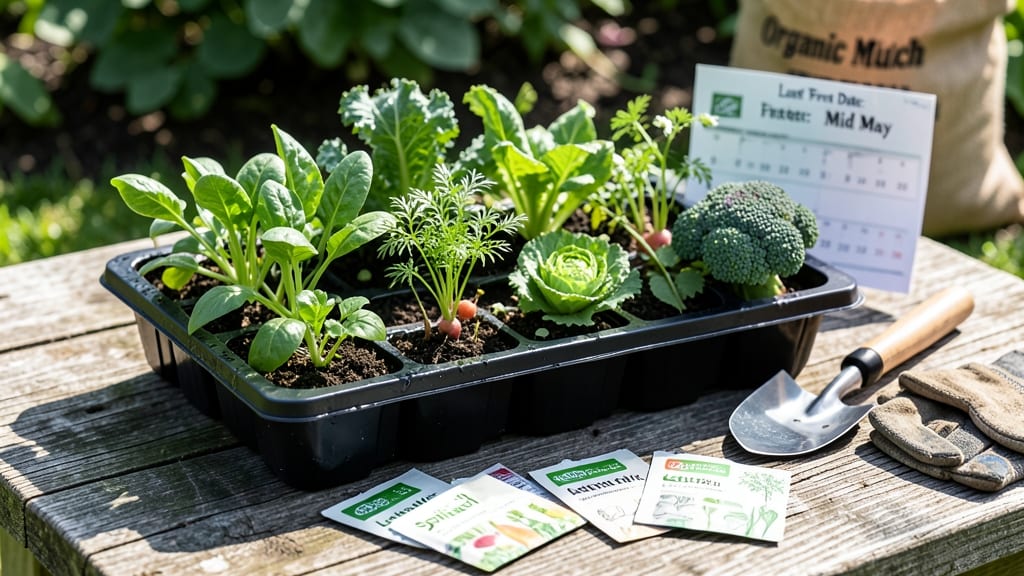
Planting a vegetable garden in Seattle means timing your crops to avoid the last frost around March 15 and the first chill in November — or risk stunted plants or wasted seeds.
Seattle’s unpredictable weather can turn your vegetable garden dreams into a gamble—unless you know the exact timing for planting each crop. Missing the window by even a week could mean stunted growth, pests, or wasted seeds.
With a 165-day frost-free season, Seattle’s USDA Zone 8a climate lets you grow everything from leafy greens in early spring to tomatoes in late summer. But the key is planting at the right moment, whether you’re starting seeds indoors or setting out transplants.
Below, I’ll walk you through the ideal planting windows for your 🥬 garden, from cool-season crops like spinach to warm-season favorites like peppers, plus how to stretch your harvest with simple tricks like row covers.
Seattle’s last frost dates by month: critical planting windows for vegetables
Seattle’s USDA Zone 8a/8b climate creates a unique growing season where cool-season crops thrive in early spring and late fall, while warm-season vegetables need precise timing to avoid frost damage.
The average last frost date typically falls between March 15 and April 15, but urban heat islands and waterfront areas can shift this window by 1-2 weeks. Understanding these dates ensures your tomatoes, lettuce, and carrots grow strong and productive.
For cool-season vegetables like spinach, kale, and peas, planting begins as early as February in protected areas or under row covers. These hardy crops can handle light frosts and even snow cover, making them ideal for Seattle’s chilly starts.
Meanwhile, warm-season crops such as peppers, eggplants, and basil must wait until after April 30 when soil temperatures consistently stay above 50°F.
Seattle’s first frost date usually arrives between October 15 and November 15, signaling the end of the growing season for tender plants. However, cold-hardy greens like Tyee lettuce and Winterbor kale can survive until December with proper protection.
Microclimates play a huge role here—urban areas may experience frost 2 weeks later than rural spots, while waterfront gardens often feel the chill earlier.
Adjust your planting schedule based on your specific location within Seattle. For example, areas near Lake Washington tend to have cooler nights, while downtown heat islands can extend the growing season by 10-14 days. Always check the WSU Extension or Seattle Tilth for real-time updates, as weather patterns shift yearly.
Here’s a quick reference for critical planting windows based on Seattle’s frost dates:
For spring planting, aim to sow cool-season crops like broccoli and peas by mid-February under row covers or in a cold frame. Once the last frost date passes (usually April 15), switch to warm-season plants such as tomatoes and peppers.
Harden off seedlings for 7–10 days before transplanting to avoid shock.
In fall, start cool-season crops like kale and carrots by August 1 to ensure they mature before the first frost. Use black plastic mulch or straw mulch to retain heat and extend the season.
If you’re ambitious, try overwintering crops like garlic or onions in late fall for an early spring harvest.
Seattle’s rainy springs can delay planting, so always check soil temperature (use a soil thermometer) before sowing. If the ground stays below 50°F for too long, warm-season plants will struggle to germinate.
For container gardening, you can start seedlings indoors 4–6 weeks before the last frost date to get a head start.
Pro tip: Keep a planting journal to track your local frost dates and adjust future schedules. Over time, you’ll refine your timing to match Seattle’s unpredictable weather patterns—because nothing beats a homegrown tomato picked at peak ripeness! 🌱
Best vegetables to plant in Seattle by season: a month-by-month guide
Seattle’s cool, wet springs and mild summers create perfect conditions for a year-round vegetable garden. But timing is everything—plant too early, and frost will nip tender seedlings.
Too late, and you’ll miss the harvest window. The key? Knowing which crops thrive in each month and how to stagger plantings for continuous yields.
I’ve tested these schedules in my own Seattle garden, adjusting for our USDA Zone 8a/8b climate. Whether you have a backyard plot or just container space on a balcony, this guide will help you plan for success.
Let’s dive into the month-by-month planting calendar that keeps my garden productive from February through October.
- February: Start spinach, kale, and peas indoors or in cold frames. Direct-sow lettuce ('Tyee') and radishes in well-draining soil.
- March: Plant broccoli, cauliflower, and carrots as soon as soil warms to 50°F. Begin succession sowing every 2 weeks for continuous harvests.
- April: Transition to warm-season crops like beans and corn after last frost (mid-April). Harden off tomato and pepper seedlings for late May planting.
- May: Plant tomatoes, peppers, and cucumbers in full sun after soil reaches 60°F. Use row covers for early zucchini and squash to protect from late frosts.
- June: Sow green beans, beets, and bush peas for fall harvests. Thin seedlings and mulch to retain moisture during dry spells.
- July: Direct-sow fall lettuce, spinach, and radishes for August harvests. Succession plant basil every 2 weeks to extend flavor.
- August: Plant kale, collards, and turnips for winter harvests. Transplant broccoli and cabbage seedlings to avoid bolting.
- September: Last chance for spinach, arugula, and radishes—sow 6-8 weeks before first frost (Nov 15). Harvest warm-season crops before cool nights stunt growth.
- October: Cover hardy greens with row covers to extend harvests into December. Plant garlic for next year’s harvest.
For small spaces, prioritize compact varieties like 'Little Gem' lettuce or 'Bush Blue Lake' beans. Containers work well for herbs (basil, cilantro) and shallow-rooted crops (radishes, lettuce). Just ensure pots have drainage holes and use lightweight potting mix.
Pro tip: Succession planting is your secret weapon. For example, sow radishes every 2 weeks from March to September—they mature in just 30 days! This keeps your kitchen stocked without overwhelming you with a single harvest. And always rotate crops to prevent soil-borne diseases.
Seattle’s mild winters mean you can grow greens year-round with minimal effort. Just protect tender plants with row covers or move containers to sheltered spots. With this schedule, you’ll enjoy fresh veggies from February to November—no grocery store required!