
Planting
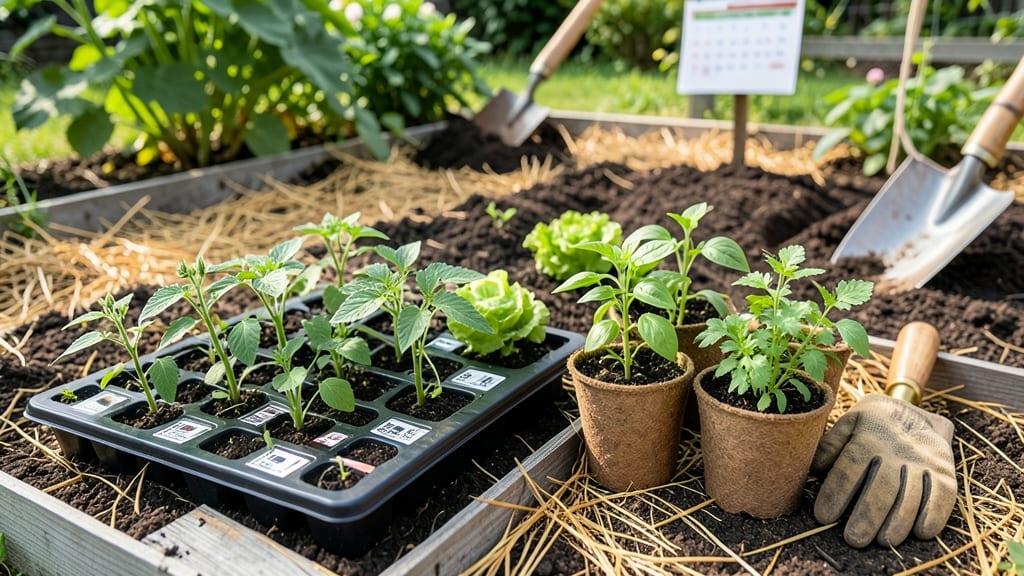
To plant a vegetable garden in NC, timing depends on your microclimate—coastal areas can start 6 weeks earlier than mountain regions, where late frosts linger.
North Carolina’s diverse microclimates—from coastal plains to mountain valleys—mean your vegetable planting schedule could differ by weeks, even just miles apart. Get the exact timing for zero-frost-risk crops to maximize your harvest without wasting seed money.
Cool-season crops like lettuce and peas thrive in early spring, while tomatoes and peppers need warm soil. Missing these windows means stunted growth or wasted efforts—something I learned the hard way with my first 6-foot tomato plants that never fruited.
Below, I break down the perfect planting windows for NC’s three key regions, plus how to adjust for your exact location using simple tools like USDA zone maps and NOAA frost data.
NC planting zones by microclimate: coastal vs Piedmont vs mountain timing
North Carolina's three distinct microclimates—coastal plains, Piedmont region, and mountain valleys—create wildly different growing seasons. The coastal area enjoys the longest frost-free periods, while mountain zones face earlier frosts and cooler summers.
Even okra and sweet potatoes, heat-loving crops, need precise timing to thrive in these varied conditions.
Understanding your local frost dates is critical. Coastal NC typically sees its last frost by March 15, while mountain regions like Asheville can experience frost until May 1. The Piedmont falls somewhere in between, usually around April 15.
These differences mean your planting windows for warm-season crops like southern peas and tomatoes can shift by 4-6 weeks depending on elevation.
Let's break down the ideal planting windows for each microclimate, focusing on heat-tolerant crops that thrive in NC's extended summers. The comparison below shows when to plant direct-sown seeds and transplants for maximum success in each region.
| Region | Last Frost Date | Warm-Season Crops (Direct Sow) | Transplant Window | Heat-Tolerant Specialists |
|---|---|---|---|---|
| Coastal (e.g., Wilmington) | March 15 | April 1 - May 1 | March 1 - April 15 | Okra (April 15), Sweet Potatoes (May 1) |
| Piedmont (e.g., Raleigh) | April 15 | April 15 - May 15 | April 1 - May 1 | Southern Peas (May 1), Okra (May 10) |
| Mountains (e.g., Asheville) | May 1 | May 15 - June 1 | May 1 - May 15 | Sweet Potatoes (June 1), Okra (June 10) |
For coastal gardeners, the extended growing season means you can plant okra as early as April 15 and still enjoy harvests through October. In contrast, mountain gardeners should wait until June 1 to plant these heat-lovers, ensuring soil temperatures exceed 70°F for consistent germination.
The Piedmont region offers a middle ground, where southern peas can be direct-sown by May 1 for a summer harvest. These legumes thrive in the 85-90°F temperatures typical of Piedmont summers, making them an excellent choice for home gardens in this zone.
One key difference across regions is the soil warming required for sweet potatoes. Coastal soils reach ideal 80°F+ by early May, while mountain soils may not warm enough until late June. Use black plastic mulch or row covers to accelerate soil warming in cooler climates.
Don't overlook succession planting for heat-tolerant crops. In the coastal zone, you can make 2-3 plantings of okra from April through June, while mountain gardeners should limit themselves to 1-2 plantings in early summer. This strategy maximizes your harvest window without overcrowding plants.
If you're growing peppers or eggplants, start transplants indoors 8-10 weeks before your last frost date. Coastal gardeners can begin in January, while mountain gardeners should wait until March to avoid transplant shock from early outdoor conditions.
Remember that microclimates within regions can vary significantly. A south-facing slope in the mountains may warm up 2 weeks earlier than a valley location. Pay attention to your specific site conditions and adjust planting dates accordingly.
For precise local guidance, consult your county extension office or use the NC State Climate Office frost date maps. These resources provide hyper-local data that can fine-tune your planting schedule by days or even weeks.
Zero-frost crops for NC: the 12-Month planting calendar by month
North Carolina’s long growing season lets you plant vegetables year-round with the right timing. For zero-frost-risk crops, focus on heat-lovers like tomatoes and squash in summer, while cool-season greens thrive in mild winters.
My 12-month calendar breaks down exact planting dates by region—coastal, piedmont, and mountains—so you can avoid gaps in harvest.
Start with warm-season crops after your last frost date (typically March-April in coastal areas and April-May in the mountains). For cool-season crops, plant spinach and carrots in September-October to harvest before winter chill sets in. Succession planting every 2-3 weeks ensures a continuous supply of fresh produce.
Here’s your month-by-month guide, tailored to NC’s three distinct microclimates:
For succession planting, sow radishes every 2 weeks from March to October—they mature in just 30 days! In the mountains, extend your season by planting spinach in September and using row covers to protect it through November.
Coastal gardeners can push limits with winter squash planted in late summer for harvests into February.
Pro tip: Use NC State Extension’s frost date maps to fine-tune your schedule. For example, Asheville’s last frost is typically April 15, while Wilmington’s is March 1.
Adjust your calendar by 2-3 weeks if you’re in a cooler pocket of your region. Always harden off transplants for 7-10 days before setting them out.
With this 12-month plan, you’ll enjoy fresh