
Planting
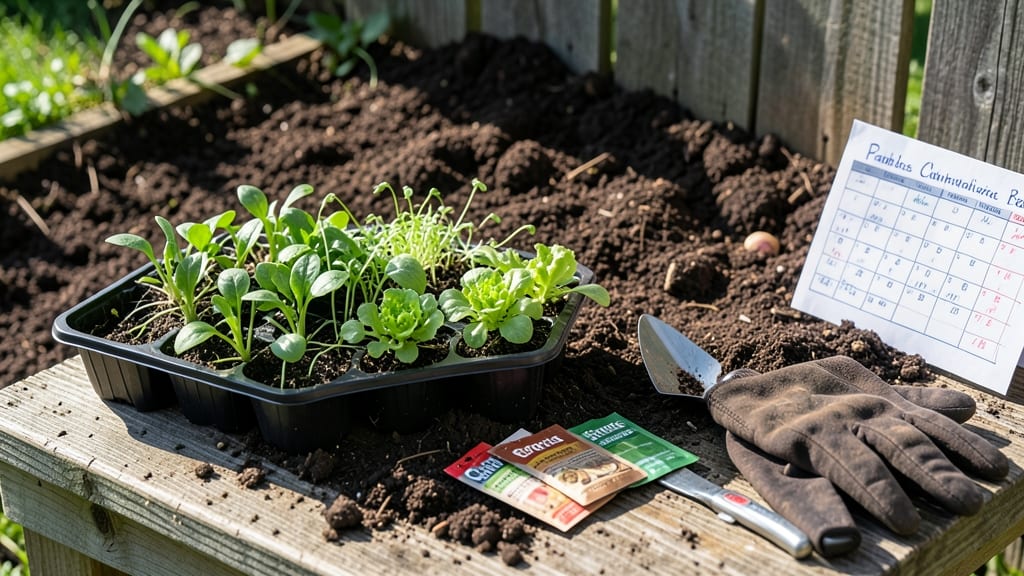
Planting a vegetable garden in Pennsylvania at the right time means the difference between a bumper crop of tomatoes and a sad, wilted mess — and the exact window depends on where you live in the state.
Pennsylvania’s diverse climate—from the humid summers of Philadelphia to the cooler highlands of the Pocono Mountains—means planting your vegetable garden at the wrong time can mean wasted seeds and stunted harvests. But with the right timing, you could be enjoying homegrown tomatoes by July or fresh peas by May.
Cool-season crops like spinach and peas thrive when soil temperatures hover around 40°F, while warm-season favorites like peppers and eggplants need to wait until the ground warms to at least 60°F.
That’s why knowing your USDA zone (ranging from 5a to 7a across the state) is the key to avoiding common mistakes.
In this guide, I’ll break down the month-by-month planting schedule for your region, including when to start seeds indoors, when to transplant, and how to extend your harvest into fall. No more guessing—just a timeline tailored to Pennsylvania’s unique growing conditions.
Pennsylvania planting zones: when to start seeds indoors vs. direct sowing outdoors
Pennsylvania spans USDA Hardiness Zones 5a through 7a, creating distinct planting windows for your vegetable garden. In Zone 5a (Poconos, Scranton), frost lingers until mid-May, while Zone 7a (Philadelphia, Reading) enjoys frost-free soil by mid-April.
This zone difference means timing is everything—plant peas in Zone 5a by March 20 but wait until April 1 in Zone 7a.
Understanding these zones helps you decide between indoor seed starting (for warm-season crops) and direct sowing outdoors (for cool-season crops). For example, tomatoes and peppers need 6-8 weeks indoors before last frost, while spinach and peas thrive when sown directly into 40°F soil.
Let’s break down the exact windows for your PA zone.
For cool-season crops like spinach, peas, and lettuce, direct sowing outdoors is ideal once soil temperatures hit 40°F. In Zone 5a, this means waiting until late March, while Zone 7a gardeners can start as early as mid-February.
These crops tolerate light frosts, so don’t rush—wait for consistent 50°F days to avoid bolting.
Warm-season crops like tomatoes, peppers, and eggplants need a head start indoors. Begin 6-8 weeks before your last frost date using grow lights or a sunny windowsill. In Zone 6a (Pittsburgh), this translates to March 15 for tomatoes and March 1 for peppers.
Harden off seedlings for 7-10 days before transplanting after last frost.
Erie’s lake-effect cooling delays spring by 1-2 weeks compared to inland cities. Use these adjusted dates: start peppers indoors by February 28 and transplant tomatoes by May 1.
Meanwhile, Philadelphia’s urban heat island can push last frost dates 2 weeks earlier, letting you plant cucumbers by April 15 instead of May 1.
Pro tip: Use row covers to extend cool-season planting by 2-3 weeks in early spring or late fall. For example, kale and carrots can be sown in Zone 5a until September 1 with protection. Always check Penn State Extension’s frost maps for your exact location—microclimates vary even within cities.
Remember,
Month-by-month PA gardening calendar: what to plant when for maximum harvests
Timing is everything in Pennsylvania’s vegetable gardens. Cool-season crops like spinach and peas thrive in early spring, while warm-season favorites such as tomatoes and peppers need to wait until after the last frost.
Missing these windows can mean bolting lettuce or stunted corn. Let’s break down the month-by-month schedule that’ll have your garden producing all season long.
Most Pennsylvania gardeners fall into USDA Zones 5a-7a, with last frost dates ranging from April 15 in southern PA to May 15 in the northern mountains. Use these dates as your guide, but always check your local frost-free averages—they can shift yearly.
For example, Philadelphia’s last frost is typically April 20, while Erie’s is May 5.
- 1 March-April: Start cool-season crops indoors (tomatoes, peppers) and direct-sow peas, spinach, and lettuce as soon as soil is workable (40°F+).
- 2 May: Plant sweet corn after May 15 (Zone 6b) to avoid tassel drop. Add beans, cucumbers, and squash once night temps stay above 50°F.
- 3 June: Transplant tomatoes and peppers outdoors after hardening off. Succession-plant lettuce and bush beans every 2 weeks for continuous harvests.
- 4 July-August: Sow fall crops like kale, radishes, and carrots in late July for harvests before frost. Watch for squash vine borers—cover plants with row fabric if needed.
- 5 September: Extend the season with cold-hardy crops like spinach and garlic. Harvest tomatoes and peppers before first frost (typically October 15 in most zones).
- 6 October: Plant garlic and cover crops like clover or winter rye to protect soil. Clean up garden beds to prevent disease overwintering.
Succession planting is your secret weapon for non-stop harvests. For example, sow lettuce every 2 weeks from April through August, and beans every 3 weeks from May to July. This ensures you’re always picking fresh greens or crisp pods instead of dealing with bolting or overripe plants.
Don’t forget to adjust for your microclimate. Urban areas like Philadelphia often experience heat islands, allowing you to plant warm-season crops 1-2 weeks earlier. Meanwhile, mountain regions like the Poconos may need to wait until June for tomatoes to ripen fully.
Always monitor your local weather forecasts and be ready to cover tender plants with frost cloth if nighttime temps dip unexpectedly.
With this month-by-month guide, you’ll avoid common pitfalls like bolting lettuce or stunted corn and enjoy a garden that produces from May through October. Happy planting! 🌱