
Planting
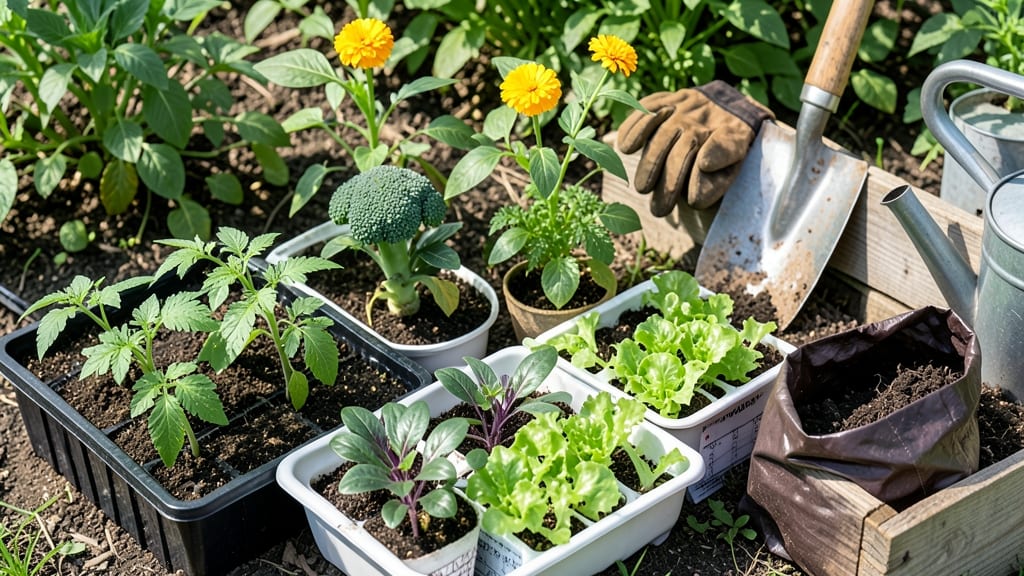
Planting your garden in Pennsylvania at the right time means the difference between a bountiful summer harvest and a frost-killed disappointment—so timing matters more than you might think.
If you’ve ever rushed seedlings into the ground only to watch them wilt under a late frost, you know how quickly things can go wrong. Pennsylvania’s USDA Zones 5b through 7a bring wildly different frost dates, from late April in the south to early June in the north.
This guide breaks down the exact planting windows for vegetables, flowers, and perennials by month, using data from Penn State Extension to help you avoid common mistakes.
You’ll learn how to adjust for unpredictable weather, which crops thrive in early spring, and when to start seeds indoors—so your garden grows strong from day one.
Pennsylvania last frost dates by hardiness Zone: your planting timeline
Pennsylvania's diverse climate—spanning USDA Zones 5b through 7a—creates distinct planting windows that can confuse even seasoned gardeners. The average last spring frost dates vary by 10-14 days between northern and southern regions, making precise timing critical for success.
According to Penn State Extension data, Zone 5b (northwest PA) typically sees its final frost around May 15-20, while Zone 7a (southeast PA) warms up by April 15-25. These differences directly impact when you should plant cool-season crops versus warm-season favorites.
Understanding your specific zone helps avoid common mistakes like planting tomatoes too early (risking frost damage) or sowing spinach too late (bolting before harvest). The key is aligning your planting schedule with soil temperatures—not just air temperatures.
For example, peppers and eggplants need soil at 60°F+, while lettuce thrives in cooler 50-60°F ranges. Let's break down the critical deadlines by zone to create your foolproof planting timeline.
For gardeners in Zone 5b, the 14-day window between early and late planting is critical. My rule of thumb? Start cold-hardy crops like kale and peas 4-6 weeks before your last frost date.
In Zone 6a, you can push the envelope slightly—try broccoli transplants as early as March 20 if you use row covers for protection. The southern zones (6b-7a) offer the longest growing seasons, allowing for double cropping of lettuce or radishes after harvesting early peas.
Pro tip: Use the "10-day forecast rule" to adjust your timeline. If a 32°F freeze is predicted 10 days after your planned planting, delay warm-season crops by 2 weeks. This simple adjustment saved my tomato seedlings last spring when an unexpected frost hit Pittsburgh on May 8.
Always check local microclimates—urban areas like Philadelphia warm up faster than rural farmland in Zone 6b.
Perennial plants follow different rules. In Zone 5b, wait until May 20 to plant daylilies or coneflowers, while Zone 7a gardeners can start as early as April 1. The key difference?
Perennials establish roots over 2-3 years, so early planting in warmer zones gives them a head start. For annuals like marigolds or zinnias, you can sow directly after your last frost date—just be prepared to harden off seedlings properly if starting indoors.
Don't overlook fall planting opportunities! Pennsylvania's first frost typically arrives between October 15 (Zone 7a) and November 1 (Zone 5b). This means you can still plant cool-season crops like spinach and radishes in late August for a November
Best crops to plant by month in Pennsylvania gardens
Pennsylvania's variable climate means your planting schedule should shift monthly—cool-season crops thrive in spring and fall, while warm-season plants demand summer heat. I've broken down the ideal month-by-month planting calendar based on Pennsylvania's USDA Zones 5b-7a, with special notes for succession planting to maximize your harvest.
For cool-season crops like lettuce, spinach, and peas, start seeds indoors 4-6 weeks before your last frost date (typically mid-March to early April in most of PA). These hardy vegetables can handle light frosts and even grow well into early fall if planted by mid-August.
Warm-season crops such as tomatoes, peppers, and basil need soil temperatures above 60°F—aim to plant these 2-3 weeks after your last frost date (usually mid-May to early June). For succession planting, sow fast-growing crops like bush beans every 2-3 weeks through July to extend your harvest season.
🌱
For herbs like basil, plant after your last frost date—these heat-loving plants will bolt if exposed to cool temperatures.
In contrast, hardy herbs such as parsley and chives can be planted as early as March and will survive light frosts. Succession planting is key for tomatoes and peppers: stagger plantings every 2-3 weeks to ensure a continuous harvest through September.
Remember that Pittsburgh's cooler climate (Zone 6a) may require 1-2 weeks later planting than Philadelphia's Zone 7a. Always check your local frost dates and monitor soil temperatures—a soil thermometer is your best friend for warm-season crops. With this schedule, you'll enjoy fresh harvests from spring through fall!
🌿