
Planting
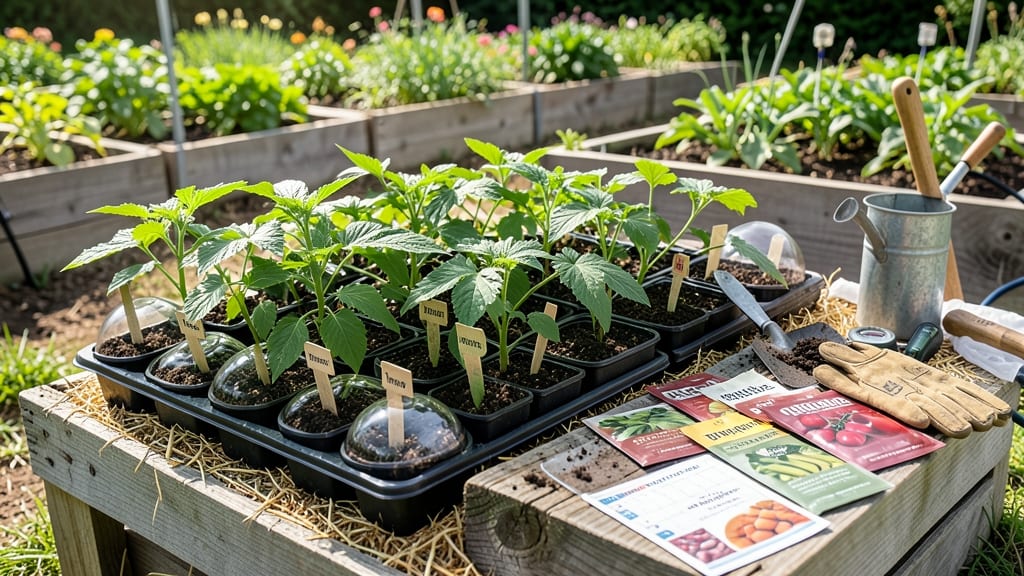
To plant a vegetable garden in Oklahoma, aim for late March to early April for cool-season crops like lettuce 🌱—just as the soil warms but before the summer heat arrives.
Oklahoma’s Zone 7b climate offers a short but productive growing season—planting your vegetable garden at the wrong time can mean stunted growth, pest invasions, or wasted seeds. Timing is everything, and missing the sweet spot between last frost and summer heat could cost you a bountiful harvest.
Cool-season vegetables like broccoli and peas thrive when soil temperatures hover around 50°F, while warm-season crops like tomatoes and peppers need to wait until May, when the ground reaches 60°F or higher. Getting this balance right means faster germination and bigger yields.
Below, I’ll break down the exact frost dates, soil temperature guidelines, and regional tweaks for northern vs. southern Oklahoma—plus how to stretch your growing season with succession planting and shade cloth.
Oklahoma Zone 7b planting calendar: exact dates for vegetable germination success
Oklahoma’s Zone 7b climate means your vegetable garden’s success hinges on precise planting timing. According to Oklahoma State University data, the average last frost date is March 15, while the first frost typically arrives around November 15.
This leaves roughly 240 frost-free days, making every week count for germination and harvest.
Cool-season vegetables like lettuce and spinach thrive when soil temperatures hover between 45°F and 65°F. Warm-season crops such as tomatoes and peppers, however, need soil to reach at least 60°F before planting. Missing these temperature thresholds can delay growth or invite pests.
Below is your Zone 7b planting calendar, broken down by crop type and ideal soil conditions. Use this as your guide to maximize germination rates and avoid common mistakes like planting too early or too late.
For cool-season vegetables, aim to plant lettuce and spinach between February 15 and March 31. These crops tolerate light frosts, but avoid planting too early—soil must be workable (not muddy) to prevent rot. Use row covers if frost threatens, extending your harvest window by 2-3 weeks.
Warm-season crops like tomatoes and peppers demand patience. Don’t rush—wait until April 15 at the earliest, when soil temperatures consistently reach 60°F. Transplant seedlings after the last frost date (usually March 15), but harden them off first to prevent shock.
If you’re planning a fall garden, prioritize broccoli and kale planted between July 15 and August 15. These thrive in cooler temperatures and can withstand light frosts. For okra and sweet potatoes, wait until May 1—these heat-lovers need warm soil to germinate.
Pro tip: Use a soil thermometer to verify temperatures. Oklahoma’s spring can swing wildly—one day may feel perfect, while the next brings unexpected chills. Adjust planting dates if soil stays below 50°F for more than a week.
Succession planting is key in Zone 7b. For example, sow radishes every 2 weeks from March through August to ensure a continuous harvest. This strategy also prevents bolting (premature flowering) in heat-sensitive greens like bok choy.
Remember: Oklahoma’s summer heat (often exceeding 95°F) can stress plants. Shade cloth or afternoon watering helps, but timing is your first defense. Plant warm-season crops early enough to harvest before September’s heat peaks.
Finally, keep a gardening journal to track your success. Note when you planted, soil temps, and any deviations from the calendar. Over time, you’ll refine your Zone 7b planting schedule to match your microclimate—whether you’re in Tulsa’s humid lowlands or Oklahoma City’s drier uplands.
How to adjust planting times for Oklahoma’s unpredictable weather patterns
Oklahoma’s Zone 7b climate throws curveballs with late spring frosts and early summer heatwaves, making planting timing a high-stakes game. Even experienced gardeners can lose crops to unpredictable weather shifts—but with the right strategies, you can turn these challenges into opportunities for a thriving garden.
The key lies in flexibility: knowing when to delay planting, when to use protective covers, and which heat-tolerant varieties will survive Oklahoma’s whims.
First, monitor local frost dates from the Oklahoma State University Extension (they update annually). While the average last frost is around March 15–April 1, a late frost can strike as late as April 15—especially in northern Oklahoma.
For cool-season crops like lettuce or peas, this means waiting until mid-April to plant, even if your soil feels warm. Patience here prevents frost damage that can kill young seedlings overnight.
⚠️ callout-warning ⚠️
🌡️ Oklahoma’s Weather Wildcards
Late frosts can hit after April 15—wait until soil temps stay above 50°F for 5 days. Early heatwaves (above 90°F) often arrive by mid-June, forcing succession planting of heat-lovers like okra or sweet potatoes. Drought stress peaks in July–August, so mulch immediately after planting to retain moisture.
For warm-season crops like tomatoes and peppers, soil temperature is your best friend. These plants won’t germinate until soil reaches 60–65°F, which in Oklahoma typically happens by mid-April in southern regions but may wait until May 1 in northern areas.
Use a soil thermometer to check—if it’s cooler, opt for heat-tolerant varieties like ‘Heatmaster’ tomatoes or ‘Jalapeño M’ peppers, which handle 95°F+ temps better than standard types.
When unpredictable heat arrives early, succession planting saves the day. Instead of planting all your bush beans at once in May, stagger new rows every 2 weeks through June. This ensures a continuous harvest even if the first planting bolts (sends up flowers) from the heat.
Pair this with drip irrigation to keep roots cool—surface watering can scald seedlings on 90°F+ days.
Row covers are your secret weapon against late frosts and pest pressure. Lightweight floating row covers (made of spun polyester) let sunlight and water through while protecting broccoli, cabbage, and kale from 32°F frosts. Remove them when plants flower to allow pollination. For early summer heat, use shade cloth (30–50%) over leafy greens to prevent bolting—just secure it with stakes to avoid trapping heat.
Finally, drought-proof your garden by choosing native or adapted varieties. Drought-tolerant okra, ‘Droughtmaster’ squash, and ‘Black Seeded Simpson’ lettuce thrive with minimal water once established. Pair these with deep mulching (4–6 inches) of straw or wood chips to lock in moisture.
In containers, use self-watering pots and moisture-retentive soils—these dry out 3x faster than in-ground beds.
With these adjustments, you’ll beat Oklahoma’s weather instead of letting it dictate your harvest. Start with one or two strategies this season—like waiting for soil warmth or using row covers—and expand as you gain confidence. Your garden’s resilience will grow alongside your plants! 🌱