
Planting
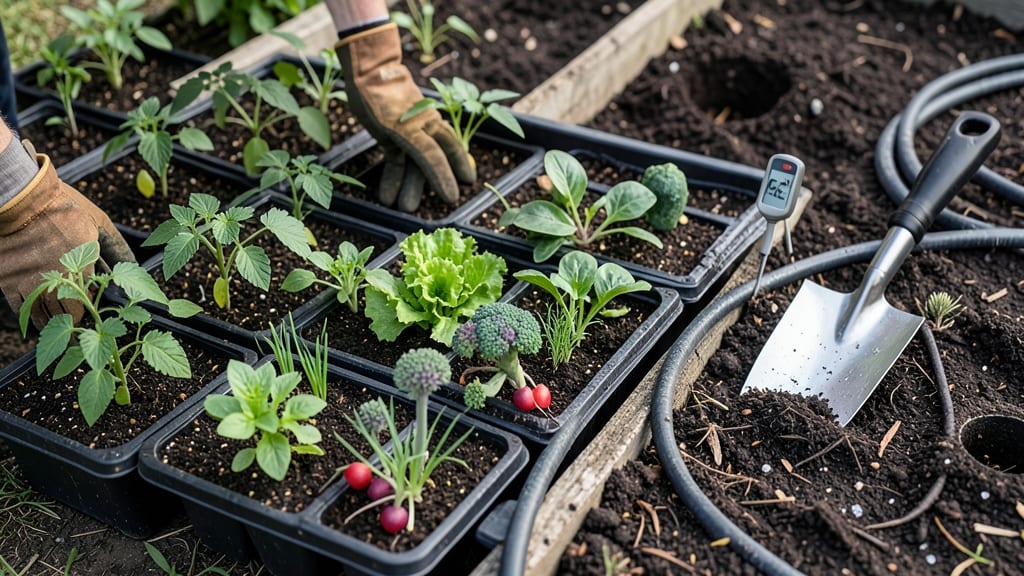
To plant a garden in Virginia at the perfect time means catching the fastest growth window between frost dates — and missing it by even a week can ruin your harvest.
Virginia gardeners know timing is everything: plant too early and risk frost damage, too late and miss peak harvests. With USDA Zone 7b’s unpredictable spring shifts, knowing the exact planting windows can mean the difference between a thriving 🌱 and a disappointing one.
Cool-season crops like peas and lettuce thrive when soil temps hit 40°F — often by late February in the Coastal Plain but not until mid-March in the Piedmont.
Warm-season favorites like tomatoes and peppers, though, need to wait until after the last frost, which can vary from early March in Zone 8a to mid-April in Zone 6a.
Below, I break down the fastest planting schedule for Virginia’s microclimates, from frost-free dates to soil prep tricks that shave weeks off your growing season.
Virginia’s USDA Zone 7b planting calendar: exact dates for cool-season vs warm-season crops
Mastering Virginia’s USDA Zone 7b planting schedule means aligning your garden with nature’s rhythm—cool-season crops thrive in early spring and fall, while warm-season varieties need summer’s warmth.
The average last spring frost falls between March 15 and April 15, and the first fall frost typically arrives October 15–November 15, though microclimates can shift these dates by weeks.
Your location in Virginia—whether the Piedmont’s rolling hills, the Coastal Plain’s milder climate, or the Mountains’ cooler highlands—will dictate precise timing. For example, Roanoke’s higher elevation may see frost a week earlier than Richmond’s lower elevation.
Understanding these nuances ensures your tomatoes and peppers mature before autumn’s chill sets in.
🌱 Key Rule: Cool-season crops like lettuce and broccoli should go in 4–6 weeks before your last frost, while warm-season crops like cucumbers and beans need to wait until soil temps hit 60°F+, usually 2–3 weeks after frost. Miss these windows, and you’ll either lose plants to frost or watch them struggle in cool soil.
For cool-season crops, think ahead: spinach, kale, and carrots can handle light frosts, but a hard freeze will kill them. Start seeds indoors in February for a head start, then transplant 4–6 weeks before your last frost.
In the Coastal Plain, where springs arrive earlier, you might squeeze in two harvests of lettuce—one in early spring and another in late summer.
Warm-season crops like tomatoes, peppers, and squash demand patience. These plants won’t thrive until soil temperatures consistently hit 60°F, which in Virginia’s Piedmont usually happens by mid-April. Use a soil thermometer to confirm—cool soil stunts growth and invites disease.
If you’re in the Mountains, wait until May 1 to plant heat-loving crops like okra or sweet potatoes.
Herbs and flowers add color and flavor but have their own rules. Basil, for instance, bolts (goes to seed) in the heat, so plant it in late spring after the last frost and again in early fall for a second harvest. Zinnias and marigolds are more forgiving—they’ll bloom all summer if planted after soil warms, but fall plantings need to go in by August 1 to mature before frost.
Don’t overlook perennials like asparagus or rhubarb, which establish roots in early spring. Plant crowns in March for a 3-year harvest—but avoid soggy soil in the Coastal Plain, where poor drainage can rot roots. In the Mountains, where
How to adjust planting times for Virginia’s unpredictable weather patterns
Virginia’s unpredictable spring frosts and microclimates can throw off even the most experienced gardeners. I’ve learned the hard way that planting broccoli too early in Roanoke’s valleys or tomatoes too late in Richmond’s heat islands means wasted effort.
The key? Flexible strategies that let you adjust planting dates based on real-time weather data—not just averages.
Start by checking your local frost-free date (typically March 15–April 15 in Zone 7b) from the National Weather Service or Virginia Cooperative Extension. But don’t stop there—compare it with soil temperature readings (use a soil thermometer) and 7-day forecasts.
For example, my spinach thrives when soil hits 40°F, but a late frost can delay germination by weeks.
- 1. Use row covers to extend early spring planting by 2–4 weeks. Lightweight frost blankets protect lettuce and kale until May 1, even if frost lingers.
- 2. Plant cold-hardy varieties like broccoli and peas 4–6 weeks before your average last frost. These tolerate 28°F temps better than most crops.
- 3. Adjust for microclimates: Coastal areas (e.g., Norfolk) warm 1–2 weeks earlier than Piedmont (e.g., Charlottesville). Check local weather stations for your specific area.
- 4. Start warm-season crops indoors (e.g., tomatoes, peppers) 6–8 weeks before your last frost. Transplant when soil reaches 60°F.
- 5. Monitor fall planting closely—early kale and garlic can be sown as late as October 15 in most of Virginia, but watch for first frost warnings.
For fall gardens, I swear by succession planting with fast-maturing crops like radishes (30 days) or bush beans (50 days). If a cold snap hits, cover seedlings with row fabric or even old blankets for a few nights.
Last year, my carrots survived a 25°F dip under a simple hoop tunnel—proof that small adjustments make all the difference.
Don’t forget to track your own data. Jot down when you plant and harvest each crop, then compare notes with neighbors in different Virginia regions. For instance, gardeners in Roanoke might plant cucumbers a week later than those in Richmond due to cooler mountain air.
Over time, you’ll spot patterns that local forecasts miss.
When in doubt, err on the side of caution. It’s better to plant 2 weeks late than risk losing your entire tomato crop to frost. And if you’re still unsure, stagger plantings—sow half your seeds now and half in 2 weeks.
This way, you’ll have a continuous harvest even if the weather turns against you.
With these strategies, you’ll turn Virginia’s unpredictable weather into an advantage. Happy planting—your future harvest depends on it! 🌱