
Planting
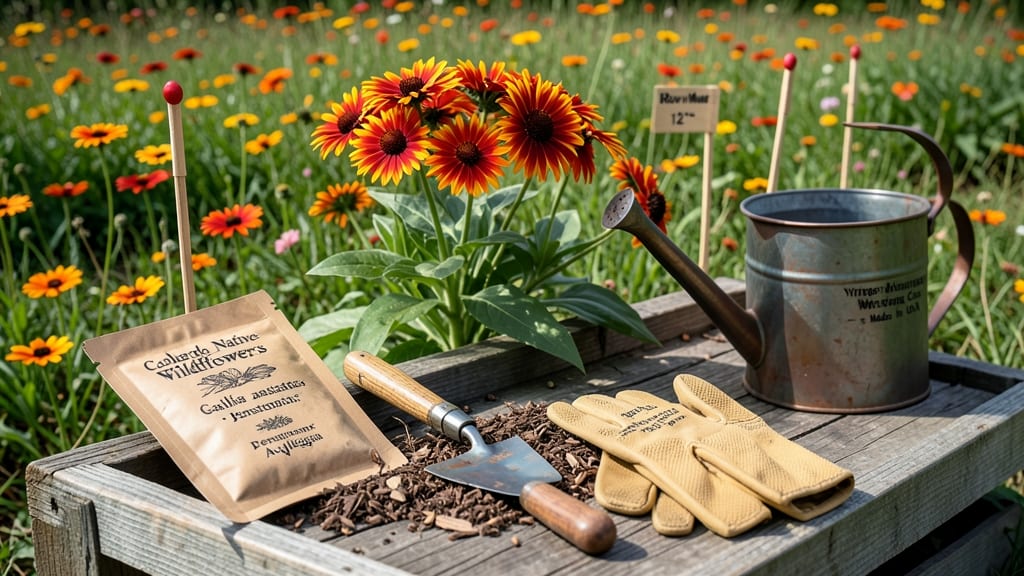
Planting a garden in Colorado at the right time means the difference between a thriving harvest and a frost-killed disappointment.
Colorado’s unpredictable frost dates can make or break your garden—planting too early risks devastating freezes, while waiting too long cuts your harvest season short. Mastering the exact timing for zero-frost-risk crops in your specific zone ensures a bountiful yield without the guesswork.
From the high-altitude chill of Denver’s Zone 5 to the warmer plains of Zone 7, every region has its own rules. Tomatoes and peppers need soil that’s at least 60°F before they’ll thrive, while leafy greens like spinach can handle early spring’s cooler temperatures.
Here’s how to pinpoint the perfect planting window for your Colorado garden, including zone-specific dates, frost-proofing tips, and the best crops for your microclimate—so you can grow with confidence, not worry.
Colorado planting Zones & last frost date maps (2024 guide)
Colorado’s diverse elevations create a gardening puzzle—what thrives in Denver’s Zone 5 may freeze in Boulder’s Zone 6, while Grand Junction’s Zone 7 enjoys longer growing seasons. Understanding your USDA Hardiness Zone and historical frost dates is the first step to timing your garden perfectly for zero-frost-risk crops.
Most Colorado gardens fall between Zone 4-7, but altitude adjustments matter. A Denver yard at 5,280 feet might be Zone 5, while a Fort Collins garden at 6,000 feet could drop to Zone 4.
The Western Slope (Grand Junction, Durango) typically sits in Zone 6-7, with 30-60 more frost-free days than the Front Range.
For precise timing, Colorado State University Extension tracks last average frost dates:
- Denver/Boulder: April 15-May 1 (Zone 5)
- Fort Collins: May 1-15 (Zone 4-5)
- Grand Junction: March 15-April 1 (Zone 7)
| Region | USDA Zone | Avg Last Frost | Plant After | Frost-Free Days |
|---|---|---|---|---|
| Denver Metro | 5a-5b | April 22 | May 10 | 120-140 |
| Boulder | 6a | May 5 | May 20 | 130-150 |
| Fort Collins | 4b-5a | May 10 | May 25 | 100-120 |
| Grand Junction | 7a | March 20 | April 10 | 180-200 |
| Colorado Springs | 6a | April 28 | May 15 | 140-160 |
Use these dates as guidelines, not rules. Check soil temperatures—warm-season crops like tomatoes need 60°F+ soil—while cool-season veggies (spinach, peas) tolerate 40°F+. The Front Range’s chilly nights often delay planting by 1-2 weeks compared to the Western Slope.
For real-time updates, bookmark the Colorado Climate Center’s frost maps or use apps like PlantNet, which overlay your location with historical frost layers. Pro tip: Plant warm-season crops after Memorial Day (May 25-31) to avoid late frosts, even in Zone 7.
High-altitude gardens (above 7,000 feet) face unique challenges. In Telluride (Zone 5), the growing season shrinks to 90 frost-free days, while Aspen (Zone 4) may only support 70 days.
Adjust by choosing fast-maturing varieties (e.g., bush beans instead of pole beans) or using row covers to extend the season.
Microclimates matter too. A south-facing slope in Denver warms 2-3°F faster than a north-facing yard, letting you plant 2 weeks earlier. Observe your garden’s sun exposure and wind patterns—windy areas freeze faster and dry out quicker.
Remember: First frost dates are just as critical. The Front Range’s first frost typically hits September 20-October 15, while the Western Slope may delay until October 30. Plan to harvest warm-season crops before these dates or use cold frames to protect tender plants.
For interactive maps, visit the USDA Plant Hardiness Zone Map and overlay Colorado’s frost data layers. Input your exact elevation—even a 500-foot difference can shift your zone by 1-2 degrees and delay frost dates by 10+ days. 🌱
Best zero-frost-risk crops for Colorado & their ideal planting windows
Colorado’s short growing season demands strategic planning to maximize your harvest. The key is focusing on heat-tolerant crops that thrive after the last frost and cold-hardy greens for early starts. I’ve curated the best options for Colorado’s USDA Zones 4-7, with planting windows tailored to avoid frost risk entirely.
For zero-frost-risk planting, wait until your area’s average last frost date has passed—typically May 15-30 for most of Colorado, but later in high-altitude areas like Fort Collins (June 1). These crops will give you a full-season harvest without worrying about late freezes ruining your efforts.
- Tomatoes (Zones 5-7): Plant May 20-June 1 after soil reaches 60°F. Choose heat-tolerant varieties like 'Cherry Tomato' or 'Celebrity'.
- Peppers (Bell & Chili): Start seeds indoors by March 1, transplant May 15-June 1. Needs 70°F+ soil to thrive.
- Cucumbers: Direct sow May 25-June 10 in Zones 6-7; wait until June 15 in Zone 5. Trellis for space-saving.
- Green Beans (Bush & Pole): Sow May 10-20 after frost risk ends. Bush types mature faster (50-60 days).
- Basil & Cilantro: Plant May 15-June 1 for basil (heat-loving); cilantro prefers cooler temps—sow in early spring (March-April).
- Kale & Spinach: Start 4-6 weeks before last frost (Zone 5: March 15-April 1) for early harvests. Cut-and-come-again varieties work best.
- Sweet Corn: Plant May 20-June 10 in blocks (not rows) for pollination. Choose short-season varieties (85-90 days).
Don’t overlook herbs like rosemary and thyme, which thrive in Colorado’s dry climate and can be planted after May 15. For containers or raised beds, warm up soil faster—ideal for peppers and eggplants, which need extra heat.
Pro tip: Use row covers for early starts with cold-sensitive crops like lettuce, but remove them once true leaves appear to prevent overheating. This extends your planting window by 2-3 weeks without frost risk.
For high-altitude gardens (Zone 4), push planting dates back by 2 weeks. Monitor soil temperature with a thermometer—most warm-season crops need at least 55°F to germinate reliably.
By following these zone-specific windows, you’ll avoid frost damage while maximizing your harvest. Start with 1-2 crops to test your timing, then expand next season based on what thrives best in your microclimate! 🌱