
Planting
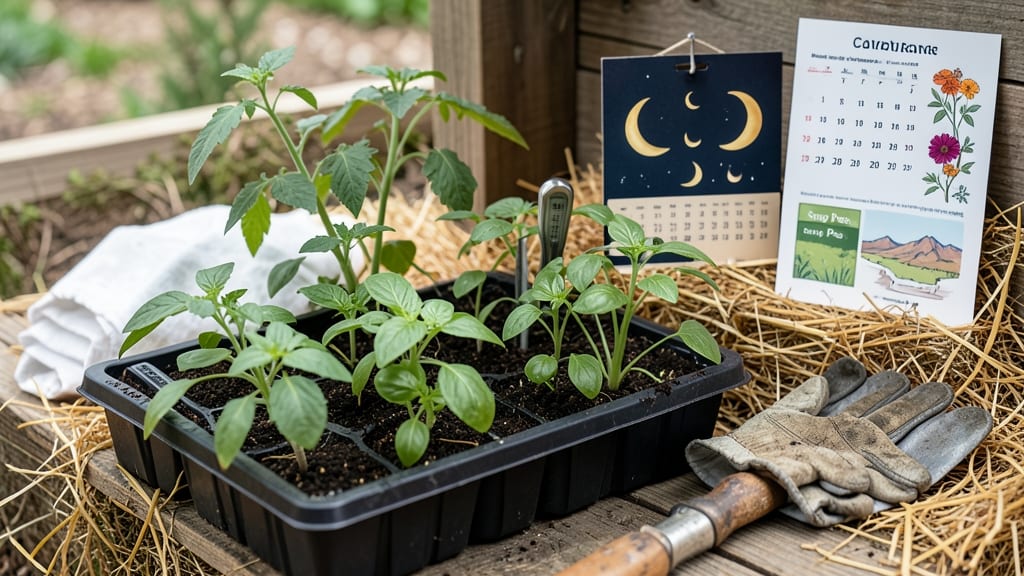
Planting your Colorado garden at the right time means the difference between a thriving harvest and a sad, frost-nipped failure—especially when your elevation shifts the calendar by weeks.
Colorado’s dramatic elevation changes—from high mountain valleys to Front Range foothills—mean your garden’s planting schedule could vary by weeks, not just days. Get the exact dates for your microclimate to avoid frost damage or stunted growth this season.
Most Colorado gardens thrive when planted between mid-April and mid-June for spring crops, but high-altitude areas (like Zone 4) may need to wait until early June, while southern regions (near Zone 8) can start as early as March.
Fall planting runs from August to September, but timing depends on your last frost date.
Below, I break down the exact deadlines for your region—whether you’re in Denver, Colorado Springs, or the Western Slope—plus how to adjust for Colorado’s unpredictable weather, from late frosts to early snow.
Colorado planting zones by elevation: exact dates for vegetables, flowers, and herbs
Colorado’s elevation shifts create unique growing conditions—what’s perfect for Denver’s 5,280 feet may be too late for Aspen’s 7,900 feet. Understanding your microclimate’s frost dates ensures your tomatoes thrive while kale survives early freezes. Here’s how to align your planting schedule with Colorado’s elevation zones.
Most Colorado gardens fall between 4,000 and 10,000 feet, where last frost dates range from April 15 (southern Colorado) to June 1 (high mountains). First frosts arrive as early as September in Aspen but linger until November on the Front Range.
Use these timelines to plan warm-season crops like peppers and cool-season crops like spinach.
For 4,000–6,000 feet (Denver area), start cold-hardy crops like peas and spinach in early April. Wait until after May 1 for tomatoes and peppers, which need warm soil. In 8,000+ feet (Aspen), prioritize fast-maturing varieties like bush beans (50 days) and radishes (25 days) to beat early frosts.
Heat-loving plants like eggplants and okra struggle above 6,500 feet—opt for shorter seasons or container gardening. Conversely, Swiss chard and kale thrive in high elevations, tolerating 30°F nights. Always check soil temperatures; most veggies need 50°F+ to germinate.
Fall planting in Colorado is trickier due to unpredictable early frosts. Seed broccoli and carrots by August 1 in Denver, but shift to July 15 in Aspen. Use black plastic mulch to warm soil and delay frost sensitivity in late-season crops like lettuce.
High-altitude gardens (7,000+ feet) benefit from succession planting. Sow lettuce every 2 weeks from May to August to ensure a continuous harvest before September frosts. In lower elevations, extend seasons with cold frames or low tunnels to protect herbs like cilantro and parsley.
Colorado’s western slope (e.g., Grand Junction) enjoys earlier last frosts (March 15–April 1) and longer growing seasons. Adjust planting dates 2–3 weeks earlier than Front Range schedules. Always monitor local weather forecasts—a late frost in May can wipe out unprotected seedlings in any zone.
Pro tip: Use Colorado State University Extension’s frost maps for real-time updates. For Denver gardens, aim to harvest summer crops by September 15 to avoid frost damage. In Aspen, focus on short-season varieties or greenhouse growing for heat-lovers like cucumbers.
Remember, elevation isn’t the only factor—urban heat islands in Denver can delay frosts by a week, while mountain valleys may experience earlier freezes. Test your soil’s drainage and pH (aim for 6.0–7.0) to maximize success across all elevations. Happy planting! 🌱
How to adjust planting timelines for Colorado’s unpredictable weather patterns
Colorado’s weather can shift faster than a mountain breeze, leaving gardeners scrambling to adjust planting timelines. One week you’re basking in 70°F sunshine, and the next, a late frost threatens your tender seedlings.
The key to success? Flexible strategies that account for microclimates, elevation changes, and Colorado’s infamous unpredictable spring.
Urban heat islands in Denver can trap warmth, while high-altitude gardens in Fort Collins or Aspen may face frost until mid-June. Even within the same city, a south-facing slope might be 2 weeks ahead of a north-facing yard.
To navigate these challenges, I’ve tested these pro tactics to protect your plants and extend your growing season.
⚠️ Colorado’s Frost Gambit
Never plant heat-loving crops like tomatoes or peppers before May 15 in Denver—even if soil looks warm. The average last frost date is April 15, but late frosts (below 28°F) can hit until mid-May. Use frost blankets or row covers for a 2-week buffer on early plantings.
Pro tip: Monitor the CSU Extension frost forecast and adjust your timeline by 10–14 days if early-season cold snaps are predicted.
Start with soil warming to jumpstart your season. Black plastic mulch or clear plastic tunnels can raise soil temps by 5–10°F, letting you plant cold-sensitive crops like cucumbers or squash 2 weeks earlier. For high-altitude gardens, combine this with cold frames to create a microclimate that mimics lower elevations.
Succession planting is your secret weapon against Colorado’s short growing season. Instead of planting all your lettuce or radishes at once, stagger seeds every 2 weeks from April to July. This ensures a steady harvest even if early plantings fail due to hail or unseasonable cold.
For example, plant bush beans in three batches: early May, late May, and early June.
Don’t overlook wind protection, especially on the Eastern Plains where gusts can stunt young plants. Use windbreaks like cornstalks, bamboo fencing, or even dense shrubs to shield seedlings.
In urban gardens, containers on wheels let you move tender plants to sheltered spots during wind storms or late frosts.
For fall planting, prioritize cold-hardy crops like kale, spinach, and garlic by August 1. These thrive in Colorado’s cool nights and can often survive until first frost (or even later with row covers).
Avoid planting warm-season crops after July 15—they’ll bolt or struggle in the shorter daylight of fall.
Colorado’s weather may be unpredictable, but with these adjustments, you’ll turn challenges into opportunities—like turning a late frost into a chance to test your succession planting skills or using wind to your advantage with smart windbreak placement. Happy (and resilient) gardening! 🌱