
Picking
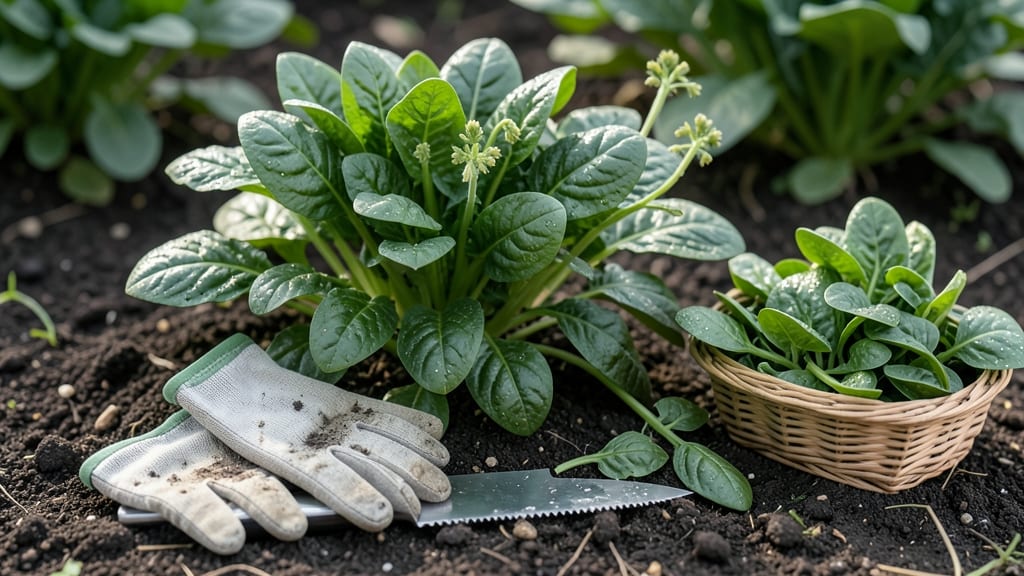
Picking spinach from your garden at the right time means tender, flavorful leaves and a plant that keeps producing 🍃—but wait too long, and you’ll end up with bitter, tough greens.
Most gardeners assume they should harvest spinach once it’s fully grown, but that’s a missed opportunity. The sweet spot is when leaves hit 4–6 inches—that’s when they’re crisp, mild, and packed with nutrients. Cut them then, and the plant will bounce back with fresh growth.
Timing matters even more in Zone 6a, where early spring and late summer harvests require extra care. Too much heat or frost stress can turn your spinach bitter or force it to bolt.
I’ll walk you through the exact leaf tests to use, how often to harvest for regrowth, and when to pull the plug before the plant goes to seed.
By the end, you’ll know not just when to pick spinach, but how to keep your plants happy all season—so you’re always harvesting at peak freshness.

3 Leaf tests to determine when to pick spinach for optimal harvest
Harvesting spinach at the right moment transforms your garden into a flavor powerhouse. The difference between tender, sweet leaves and tough, bitter ones often comes down to three simple leaf tests. I’ve used these methods for years to ensure my spinach stays delicious and keeps producing.
Let’s dive into how to assess your spinach’s readiness with your eyes, fingers, and even your taste buds!
Spinach is one of those crops where timing is everything. Pick too early, and you’re wasting potential growth. Harvest too late, and you risk bitterness and bolting—when the plant sends up a flower stalk and becomes inedible.
The key is balancing leaf size, texture, and flavor to maximize both yield and taste. I’ve found that mastering these three tests will give you spinach that’s consistently perfect for salads, sautéing, or blending into smoothies.
Leaf Size Test: The 4–6 Inch Rule
Measure the outer leaves—they should be 4–6 inches long for baby spinach or 6+ inches for full-grown leaves. Smaller leaves mean more regrowth potential, while larger leaves signal peak maturity.
Texture Test: Crispness Over Toughness
Run your thumb over a leaf. Tender spinach feels slightly crisp but yields easily—like a fresh lettuce leaf. If it’s woody or fibrous, it’s past its prime. This test is your best defense against over-mature spinach.
Taste Test: Sweetness Before Bitterness
Pop a leaf in your mouth. Sweet, mild spinach is ready to harvest. If it tastes bitter or peppery, the plant is stressed (often from heat or drought) and past its best. This is your final check before cutting!
For baby spinach, I focus on the leaf size test first. Harvest when leaves are 3–4 inches long—this encourages the plant to produce more tender leaves for a continuous supply. I’ve found that baby spinach harvested this way stays sweet and tender, perfect for quick salads or garnishes.
It’s also a great way to extend your harvest season, as you can keep picking outer leaves without disturbing the inner growth.
The texture test is my go-to for full-grown spinach. I look for leaves that are bright green and slightly crisp but not tough. If the stems feel woody when you pinch them, it’s a clear sign the plant is overripe.
I once ignored this test and ended up with a batch of spinach that was so tough I could barely chew it—definitely not worth the effort! Since then, I’ve made it a rule to harvest before the texture changes.
Don’t underestimate the taste test, either. Spinach’s flavor can shift dramatically based on growing conditions. After a hot spell, I’ve noticed my spinach develops a sharp bitterness.
That’s when I know it’s time to harvest what’s ready and give the plant a little extra care—like shade cloth and consistent watering—to bring back that sweet flavor. Pro tip: Harvest in the morning when flavors are at their peak!
If you’re growing spinach for a cut-and-come-again harvest, focus on the outer leaves first. This method lets you enjoy fresh spinach for weeks without uprooting the entire plant. I typically leave the inner leaves (about 2 inches tall) to keep growing.
For a full harvest, wait until most leaves are 6+ inches long, then cut the plant just above the soil line. This gives you a big batch for cooking or freezing, but the plant won’t regrow.
One mistake I’ve made in the past is waiting too long to harvest because I thought bigger leaves meant better flavor. But size doesn’t equal sweetness—it’s all about timing. Over-mature spinach not only tastes bitter but also becomes stringy and less nutritious.
To avoid this, I now set a reminder to check my spinach every 5–7 days during its growing season. Consistency is key!
For those growing spinach in containers or small spaces, the leaf tests still apply, but you’ll need to be even more vigilant. Container-grown spinach can bolt faster due to heat stress, so I prioritize the taste and texture tests over size.
If the leaves start curling or developing yellow edges, it’s a sign to harvest immediately or provide shade. I’ve had great success using 5-gallon buckets with a mix of compost and potting soil to keep my spinach thriving.
Remember, spinach is a cool-weather crop, so temperature matters. If nighttime temps drop below 40°F, spinach can develop a woody texture and bitter flavor. In this case, harvest what you can and protect the remaining plants with row covers or cold frames.
I’ve even grown spinach through mild winters in my zone with a little extra care—it’s all about adapting to your climate.
Mastering these three tests will turn your spinach harvests from hit-or-miss to consistently delicious. Start with the leaf size test, confirm with the texture test, and finalize with the taste test. Soon, you’ll be harvesting spinach that’s tender, sweet, and packed with flavor—every single time! 🌱
How harvesting spinach at the right time maximizes regrowth and flavor
Spinach thrives on a cut-and-come-again harvesting method, but timing directly impacts both regrowth potential and flavor intensity. When you harvest too early, you stunt growth; too late, and the leaves turn bitter or bolt. The key lies in understanding your spinach’s growth cycle and nutritional development.
Young spinach leaves (3–4 inches) are packed with vitamin C and folate, while slightly larger leaves (4–6 inches) develop richer nitrogen compounds that enhance flavor.
The ideal harvest window is when outer leaves reach 4–6 inches—this triggers the plant to produce new growth from the center while preserving tenderness.
⏰ When to Pick Spinach for Best Results
Frequent harvesting (every 2–3 weeks) prevents spinach from sending energy to seed production, which triggers bolting. This regrowth cycle works because spinach is a rapid-cycling annual—when you remove outer leaves, the plant redirects nutrients to younger, inner leaves, creating a self-sustaining harvest system.
Temperature plays a crucial role: spinach grows best in cool weather (50–75°F). If daytime temps exceed 80°F, leaves bolt quickly. To delay bolting, use shade cloth during summer or opt for heat-tolerant varieties like 'Malabar' or 'Tyee.'
Always harvest in the morning when leaves are crispest and most flavorful.
For maximum nutritional content, harvest leaves when they’re young but fully expanded. Older leaves accumulate more oxalates (which can cause bitterness) but retain higher levels of iron and magnesium.
Balance your harvest by picking a mix of smaller, tender leaves and larger, mature leaves to enjoy both mild sweetness and earthy depth.
After harvesting, water deeply and apply a light nitrogen fertilizer (like compost tea) to encourage rapid regrowth. Avoid over-fertilizing, as this can lead to leafy but flavorless growth. With proper timing, one spinach plant can yield 3–5 harvests before the season ends.