
Picking
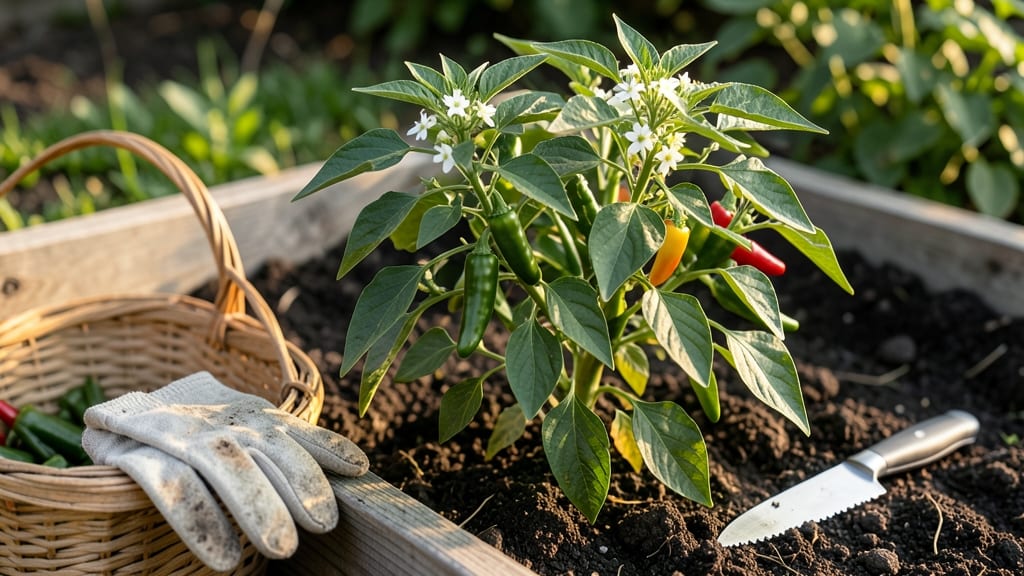
To pick jalapeños from your garden at peak heat and flavor, watch for 3-5-inch length, glossy skin, and a firm snap at the stem—these are the key signs they’re ready.
Harvesting jalapeños at the wrong time can mean losing their signature heat—or worse, bitter flavor. Knowing the exact moment to pick these fiery peppers transforms your garden from ordinary to extraordinary.
Most gardeners wait until the peppers turn green or even red, but the real secret is firmness and size—these simple tricks ensure maximum spice without sacrificing taste.
Below, I’ll share how to test for ripeness, adjust for your climate, and store your harvest so every bite packs the punch you grew them for.

3 Key signs your jalapeños are ready for harvesting
Picking jalapeños at the right moment ensures maximum heat and flavor, but many gardeners miss the subtle cues. Unlike bell peppers, jalapeños develop spiciness as they ripen, so timing matters.
I’ve learned that waiting too long can turn your fiery peppers into bland, overripe disappointments—while harvesting too early means losing that signature kick. The secret lies in three key indicators: size, color, and firmness.
First, let’s talk about the ideal size for harvesting jalapeños. Most varieties reach peak heat when they’re between 3 to 5 inches long. This is when their capsicum content—what gives them that fiery punch—is fully developed.
Smaller peppers (under 2 inches) are still maturing and lack the bold flavor you’re craving. I always measure mine against a ruler or my thumb (about the length of my index finger) to stay consistent.
Next, pay attention to the color shift. Jalapeños start green but can mature to red, yellow, or brown depending on the variety. For green jalapeños, look for a deep, glossy hue—not pale or yellowing.
If your variety matures to red, wait until at least 75% of the pepper has turned its final color. This color change signals that the pepper’s sugar content has peaked, balancing that heat with sweetness.
Here’s where many gardeners go wrong: they rely on color alone. But firmness is just as critical. A ripe jalapeño should feel firm but slightly yielding when gently squeezed. If it’s rock-hard, it’s underripe; if it’s mushy, it’s past its prime.
I also twist the pepper slightly at the stem—if it snaps cleanly, it’s ready. This test ensures you’re not pulling the pepper off too early, which can stress the plant.
Climate plays a surprising role in jalapeño ripening. In hotter regions (like Texas or Arizona), peppers mature faster—sometimes in as little as 60 days. But in cooler climates (like the Pacific Northwest), they may take up to 90 days to reach peak ripeness.
I’ve noticed that in my Zone 6a garden, jalapeños often need an extra week or two compared to my friend’s garden in Zone 9. Adjust your expectations based on your local growing season.
One mistake I used to make was waiting for jalapeños to turn red before picking, even though I preferred the classic green flavor. But red jalapeños are sweeter and milder—they’ve developed more sugars as they ripen.
If you love heat, stick with green peppers at the 3-5 inch mark. If you’re craving a balance of sweetness and spice, let them turn red. The choice depends on your taste buds and how you plan to use them (salsas, pickling, or fresh snacking).
Don’t forget to check the stem attachment when harvesting. The best time to pick is when the pepper naturally separates from the plant with minimal effort. Use clean, sharp pruning shears or simply twist the pepper gently.
Leaving a stub of the stem helps the plant redirect energy to other peppers. I always sanitize my tools with rubbing alcohol between plants to prevent disease spread, especially in crowded gardens.
After harvesting, store your jalapeños in a cool, dark place (like a pantry) for up to 2 weeks. For longer storage, freeze them whole or slice them after blanching. I’ve found that freezing at peak ripeness preserves their heat and flavor better than letting them sit on the counter.
If you’re not ready to use them immediately, this is the best way to enjoy that garden-fresh spice all year round.
Finally, remember that continuous harvesting encourages more production. Jalapeño plants can keep yielding for months if you pick consistently. I’ve had plants produce for 3-4 months in my garden, giving me a steady supply of peppers for cooking and preserving.
The key is to stay vigilant—check your plants every 2-3 days during peak season to catch them at the perfect moment.
How to test jalapeño heat before picking (simple tricks)
Not all jalapeños pack the same punch—some are mild, while others bring the heat. Testing their spice level before harvesting helps you pick the fieriest peppers for cooking or preserve the milder ones for fresh salsas.
The key is understanding visual cues and simple taste tests that reveal their true potential.
Jalapeños develop heat as they mature, but their stem color and size can give you clues long before they reach full ripeness. For example, peppers with green stems tend to be milder, while those with red or purple stems often pack more heat.
Pairing these visual checks with a quick taste test ensures you harvest at the perfect moment.
Start by comparing your jalapeños to known heat standards. A standard green jalapeño typically measures 2,500–5,000 Scoville Heat Units (SHU), while red or purple varieties can reach 8,000–15,000 SHU.
If you’re unsure, slice one open and taste a small piece—linger on the tongue for 10 seconds to gauge the burn. Mild peppers will feel like a gentle tingle, while hotter ones bring tears to your eyes.
Another trick is to twist the pepper gently at its stem. If it snaps cleanly, it’s ready to pick. A pepper that resists or feels mushy hasn’t reached peak heat.
This stem test works best when combined with the color and size checks—all three signals should align for the best flavor and spice balance.
For gardeners in cooler climates, jalapeños may mature more slowly, so focus on stem color shifts rather than size. In warmer regions, peppers ripen faster, so taste-testing early prevents overripening, which can dull their heat.
Keep a harvest journal to track which plants produce the hottest peppers—so you can replicate their growing conditions next season.
Once you’ve identified the hottest peppers, harvest them with a clean pair of scissors or your fingers. Leave a small stem attached to preserve freshness, and store them in a cool, dark place for up to two weeks.
For long-term storage, freeze them whole or pickle them to lock in that perfect heat.