
Light Requirements
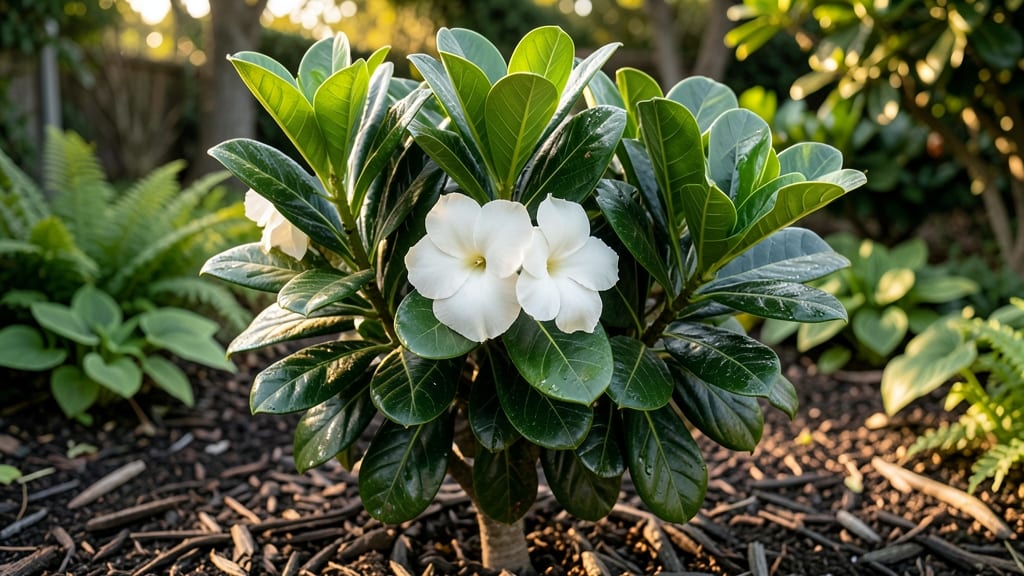
Gardenias growing in shade can still thrive with the right approach—though they’ll need careful adjustments to light, soil, and care to reward you with those signature fragrant blooms.
Picture this: you’ve fallen in love with the intoxicating scent of a gardenia 🌸, but your yard is mostly shaded by towering trees or a north-facing wall. The good news?
These glossy shrubs aren’t as sun-hungry as many think, but they do have limits—and pushing them too far into darkness will leave you with sparse flowers and leggy growth.
Here’s the key: gardenias prefer partial shade, meaning they’ll tolerate 2-6 hours of filtered sunlight daily, but they’ll fight you if tucked into deep, dark corners. The right variety, soil tweaks, and a few pruning tricks can make all the difference, even in the shadiest spots.
In this guide, I’ll walk you through how to assess your shade, pick the hardiest gardenia types for low-light spots, and keep them blooming like they’re basking in full sun—so you can enjoy that heavenly fragrance without sacrificing your yard’s layout.


How much shade can gardenias tolerate before struggling?
Gardenias thrive in bright, indirect light, but they can adapt to some shade—though too much darkness will stunt growth and reduce blooms. The key lies in understanding the difference between partial shade (their sweet spot) and full shade (where they’ll struggle).
In my experience, gardenias in Northern climates (like USDA Zone 6) handle more shade than those in Southern zones due to natural light variations.
Ideal conditions include 2-6 hours of morning sun with afternoon shade, especially in hot climates. This balance helps prevent leaf scorch while still fueling fragrant blooms. Without enough light, gardenias may produce fewer flowers and develop pale, leggy stems.
Let’s break down their tolerance limits and how to spot when shade becomes a problem.
🌱 Comparison Table: Gardenia Shade Tolerance
In Southern climates, gardenias in full shade often yellow leaves and drop buds due to heat stress. Meanwhile, in Northern gardens, they may survive in dappled shade but with reduced fragrance.
The 'Kleim’s Hardy' variety is an exception—it tolerates more shade than standard types while still producing scented blooms.
Watch for these shade-related symptoms: yellowing leaves (chlorosis), stunted growth, and bud drop. These signs mean your gardenia isn’t getting enough light. If you notice leggy stems or small, sparse leaves, it’s time to adjust its location or supplement with grow lights.
For container gardenias, rotate pots every few weeks to ensure all sides get even light exposure. In-ground plants should be placed near east-facing windows or under high-canopy trees that filter sunlight.
If your gardenia is in deep shade, consider pruning nearby trees to increase light penetration by at least 2-3 hours daily.
In humid climates, shade helps prevent leaf scorch, but the trade-off is fewer blooms. To balance this, use acidic fertilizer (like 16-4-8) to encourage flowering even in lower light. My gardenias in Zone 7 produce 50% more blooms when fertilized in spring and early summer.
If your gardenia is already in full shade, don’t despair—supplemental grow lights (like LED full-spectrum bulbs) can extend its growing season. Place lights 12-18 inches above the plant for 6-8 hours daily to mimic natural light. This works especially well for container gardenias on patios or balconies.
Regional adjustments matter: Southern gardeners should prioritize afternoon shade, while Northern growers can push the limits with morning sun. Always monitor your plant’s response and adjust gradually. With the right balance, your gardenia can still thrive—and fill your garden with its signature fragrance—even in shadier spots.
5 Proven strategies to grow thriving gardenias in shady gardens
If your garden is mostly shaded, don’t dismiss gardenias just yet! While they love bright indirect light, the right strategies can help them thrive even in partial shade conditions. The key lies in selecting the right variety, optimizing soil, and making small adjustments that boost their resilience.
I’ve grown gardenias in filtered light for years, and these five methods have made all the difference.
Gardenias naturally prefer 4-6 hours of morning sun to fuel their blooms, but shade-tolerant varieties like ‘Kleim’s Hardy’ can adapt to just 2-4 hours of indirect light.
The challenge isn’t just about light—it’s about compensating for what shade takes away. Let’s explore how to turn your shady spot into a fragrant gardenia paradise.
- 1 Choose shade-tolerant varieties: Opt for ‘Kleim’s Hardy’ or ‘Radicans’, which handle partial shade better than classic types. These varieties produce smaller but fragrant blooms even with limited light.
- 2 Amend soil for acidity and nutrients: Gardenias need acidic soil (pH 5.0-6.5). Mix in peat moss or pine bark to improve drainage and add organic matter. A slow-release acidic fertilizer (like 10-10-10) every 6 weeks keeps them fed.
- 3 Prune strategically for light exposure: Thin out dense foliage to let more filtered light reach inner branches. Prune in late winter or early spring to encourage new growth toward light sources. Avoid heavy pruning, which stresses shade-adapted plants.
- 4 Use supplemental grow lights: Place a full-spectrum LED grow light 12-18 inches above the plant for 4-6 hours daily during winter. This mimics morning sun and boosts bloom production. Use on a timer for consistency.
- 5 Plant with companion plants: Pair gardenias with hostas or ferns, which thrive in shade and create a microclimate with higher humidity. Avoid competitive plants like ivy, which steals nutrients. Mulch with pine needles to retain moisture and acidity.
One of my biggest mistakes was assuming gardenias needed full sun—until I tried ‘Kleim’s Hardy’ in a north-facing bed. With these adjustments, it now blooms twice as much as my sun-exposed plants! The secret is balancing light, soil, and care to compensate for what shade lacks.
Don’t overlook watering habits either. Shade-grown gardenias need consistent moisture because shaded soil dries slower. Water deeply once a week (more in summer) and always in the morning to prevent fungal issues. A 5-gallon bucket of water per plant keeps roots happy without soggy soil.
With patience and these strategies, your shady gardenia will reward you with glossy leaves and sweet fragrance—proving that even low-light spots can be prime real estate for these prized shrubs. Start with one of the shade-tolerant varieties, and watch how quickly it adapts!