
Plants
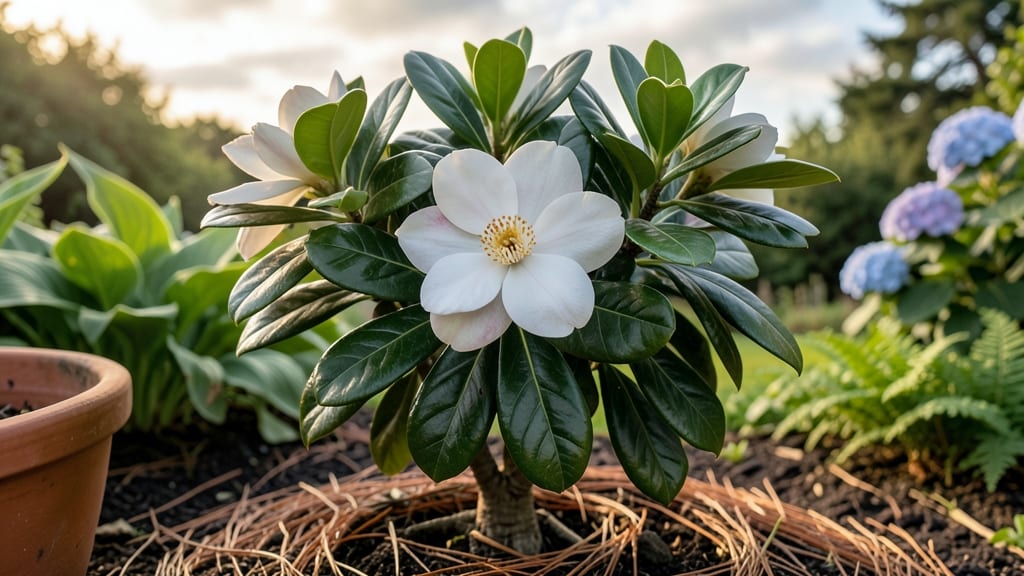
Gardenia plants bloom when the conditions align just right—typically in late spring through summer, but the timing depends on where you live and how you care for them.
If you’ve ever waited eagerly for your gardenia 🌸 to burst into fragrant blooms, you’re not alone—timing is everything when it comes to these prized flowering shrubs.
In warmer climates like Florida or California, gardenias may bloom year-round, while in cooler zones like 6a, they often wait until late spring or early summer after the last frost.
With the right sunlight, pruning, and feeding, you can encourage blooms earlier—or even get a second flush later in the season. Here’s how to make sure your gardenia delivers that sweet, creamy fragrance right on schedule.
Natural blooming seasons for gardenia plants by climate zone
Gardenia plants are famous for their intoxicating fragrance, but their blooming seasons vary dramatically depending on your climate zone. In tropical zones (USDA 11-12), these shrubs can flower year-round, while in temperate zones (USDA 8-9), they typically bloom in late spring to early summer.
Understanding these patterns helps you anticipate—and even encourage—those coveted creamy-white blooms.
Sunlight exposure and temperature shifts are the primary triggers for gardenia flowering. Morning sun and afternoon shade create ideal conditions, while sudden temperature drops can delay blooms. In subtropical zones (USDA 10), gardenias often bloom in spring and fall, responding to milder seasonal changes.
Let’s break down what to expect in your specific region.
🌸 Key Insight: Gardenias need consistent moisture and acidic soil (pH 5.0-6.5) to thrive. Without these, even the best climate won’t trigger blooms. For example, Florida’s humid subtropical zone supports year-round blooming, while California’s Mediterranean climate (USDA 9-10) may see blooms in late spring and early fall.
In tropical zones, gardenias bloom year-round because they experience minimal temperature fluctuations. However, even in warm climates, pruning in late winter can stimulate new growth and encourage more abundant blooms. For example, gardeners in Hawaii often see peak flowering in spring and fall when humidity is moderate.
If you live in a subtropical zone like Southern California, your gardenias will likely bloom in spring and again in fall. The key is to protect them from winter chills below 30°F, which can damage buds.
In my own garden in Zone 10a, I’ve found that mulching heavily in winter keeps roots warm and promotes healthier spring blooms.
💡 Pro Tip: Gardenias in temperate zones (USDA 8-9) often bloom in late spring after the last frost. To encourage earlier blooms, prune lightly in early spring to remove dead wood and stimulate new growth. Avoid heavy pruning, as gardenias produce flowers on new wood, not old branches.
Regional variations matter! For instance, gardenias in Florida’s humid climate may bloom more prolifically than those in drier California, where they rely on consistent watering. In Zone 9b, I’ve noticed that gardenias planted near a drip irrigation system produce larger blooms because they receive steady moisture without stress.
Temperature shifts also play a crucial role. Gardenias in temperate zones often need a period of cooler weather in winter to "reset" and produce blooms the following spring.
If you live in a warmer microclimate within a temperate zone, like a coastal area, your gardenias might bloom earlier or even sporadically throughout the year.
One common misconception is that gardenias only bloom once a year. While this is true for many temperate-zone plants, subtropical and tropical varieties can produce multiple flushes of blooms if given the right care.
For example, my Gardenia jasminoides in Zone 10 has bloomed in March, June, and September—all with proper watering and fertilization.
To maximize blooms, pay attention to your gardenia’s light exposure. While they tolerate partial shade, too little sunlight can reduce flowering. In shadier climates, like the Pacific Northwest, gardenias may bloom later in the season when days grow longer.
Conversely, too much direct sun can scorch leaves, so afternoon shade is essential.
Finally, remember that gardenias are acid-loving plants. If your soil isn’t acidic enough (pH 5.0-6.5), blooms will be sparse. Test your soil annually and amend with peat moss or sulfur if needed.
With the right conditions, your gardenia will reward you with fragrant, creamy-white blooms that last for weeks—no matter your climate zone! 🌿
How to induce early or repeat blooming in gardenia plants
Gardenias naturally bloom in late spring to summer, but with the right techniques, you can coax them into flowering earlier or even repeat blooms throughout the season. The key lies in mimicking their natural triggers—temperature shifts, light exposure, and nutrient availability.
For example, a cool winter chill followed by warm days signals gardenias to produce buds, while consistent care keeps them blooming longer.
One of the most effective ways to encourage early blooms is by pruning strategically. Cut back 1/3 of the oldest growth in late winter or early spring, just as new shoots begin to emerge.
This removes spent wood and redirects energy to fresh growth, which produces more blooms. Just avoid heavy pruning after flowering, as this can delay next year’s buds.
Organic Fertilizers
Synthetic Fertilizers
- Improves soil health long-term
- Slow-release nutrients match growth needs
- Safe for pets and wildlife
Cons:
- Slower results (takes weeks to months)
- Requires more frequent applications
- Can attract pests if overused
- Fast-acting for immediate blooms
- Precise nutrient ratios (e.g., high phosphorus)
- Easy to measure and apply
Cons:
- Risk of chemical burn if overapplied
- Can degrade soil over time
- Harmful to pets if ingested
Fertilizer choice makes a huge difference in bloom timing. Gardenias thrive on high-phosphorus feedings (like 8-3-9 or 6-6-6 formulas) to promote flowering. In early spring, apply a slow-release granular fertilizer around the root zone, then follow up with a liquid bloom booster every 6 weeks.
For organic gardeners, fish emulsion or bone meal are excellent phosphorus sources that also improve soil structure.
Watering plays a surprising role in bloom triggers. Gardenias need consistent moisture but hate soggy roots. To encourage early blooms, reduce watering slightly in late summer to create a mild drought stress.
This mimics the natural dry season many gardenias experience before flowering. Then, resume deep watering every 3-5 days in early spring to wake up the roots and stimulate bud formation.
Light exposure is another critical factor. Gardenias bloom best with morning sun and afternoon shade. If your plant isn’t flowering, try moving it to a sunnier spot for 4-6 hours daily, especially in cooler months.
In containers, rotate the pot every few weeks so all sides get equal light. For indoor gardenias, supplement with a grow light for 12 hours daily to mimic natural daylight changes that trigger blooming.
Finally, temperature fluctuations can work wonders. If you live in a temperate climate, bring potted gardenias indoors before first frost and place them near a cool window (50-60°F) for 4-6 weeks.
This mimics winter chilling, which many gardenias need to set buds. Then, move them back to warmth (70-75°F) to encourage blooming. Repeat this cycle to coax repeat blooms throughout the season!