
Picking
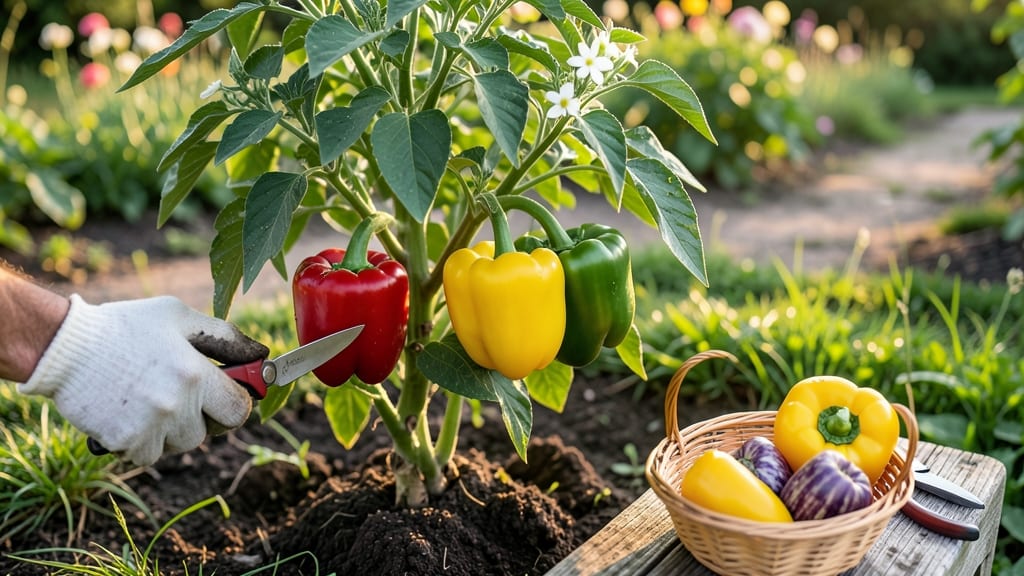
To pick bell peppers from your garden at the perfect moment means the difference between sweet, vibrant pods and tough, bitter ones.
Picture this: you’ve nurtured your 🌶️ plants all season, and now the moment of truth arrives—when to harvest for maximum flavor and texture. One wrong move, and you’re left with underripe greens or overripe mush.
Color isn’t the only clue. Size, firmness, and even the time of day play a role in determining when your peppers are truly ready. Miss these signs, and you might as well be tossing money into the compost pile.
In this guide, I’ll walk you through the exact stages to watch for, from glossy skin to the snap test, so you never harvest too early—or too late again.

Bell pepper ripeness by color: the definitive harvest guide
Bell peppers transform from green to vibrant reds, yellows, and oranges as they ripen, each stage offering unique flavor profiles and textures. Harvesting at the right moment ensures peak sweetness and crispness, while waiting too long can turn your peppers mealy or bitter.
Understanding these color-coded stages is key to maximizing your garden's bounty.
Most gardeners focus on color changes as their primary indicator, but ripeness also depends on size, firmness, and stem separation. For example, a red bell pepper harvested too early will lack the deep, sweet flavor it develops at full maturity.
Let’s dive into each color stage and what it means for your harvest timing.
| Color Stage | Ideal Harvest Time | Flavor Profile | Size Indicator | Maturity Days |
|---|---|---|---|---|
| Green | 60-75 days | Mild, slightly sweet | 3-4 inches long | Early harvest |
| Yellow | 75-90 days | Sweeter, fruity | 3.5-4.5 inches | Mid-season |
| Orange | 80-95 days | Rich, caramel-like | 4-5 inches | Late harvest |
| Red | 90-100 days | Deepest sweetness | 4-5 inches | Full maturity |
Green bell peppers are the most common early harvest, often picked at 60-75 days for a crisp, mild flavor. These are perfect for stuffing or grilling but lack the depth of fully ripened varieties. If you’re growing green pepper varieties like 'Sweet Banana,' harvest when they reach 3-4 inches and have a glossy skin.
The transition to yellow or orange signals increased sweetness, with yellow peppers developing a fruity, almost tropical flavor. These stages occur around 75-90 days and are ideal for raw eating or roasting.
Look for peppers that have fully lost their green stem end and feel slightly softer when gently squeezed.
Red bell peppers are the crowning glory of the garden, offering the richest, most complex flavor when fully mature at 90-100 days. Their deep red hue isn’t just for show—it’s a sign of peak sweetness and vitamin C content. Harvest these when they’re firm, glossy, and fully colored, as overripe peppers can become wrinkled or mealy.
Some varieties, like 'California Wonder' or 'Jupiter', are bred to stay green unless exposed to cooler temperatures. Others, such as 'Sweet Red Pepper' or 'Golden Calwonder', naturally progress through color stages. Always check your seed packet or plant tag for specific maturity expectations.
Timing your harvest isn’t just about color—it’s also about weather and daylight. In hot climates, peppers may ripen faster, while cooler temperatures can slow the process. If a pepper isn’t changing color by late summer, it might need a few cooler nights to trigger the final color shift.
Pro tip: Use a sharp pruning shear to harvest peppers, cutting the stem about 1/4 inch above the fruit. This reduces the risk of disease entry and encourages more peppers to develop. Avoid twisting or pulling, which can damage the plant.
Once harvested, store peppers in a cool, dry place (around 50-55°F) for up to 2 weeks. For longer storage, freeze or pickle them to preserve their flavor. And remember—the sooner you harvest, the sooner your plant will produce more peppers!
🌶️
How to test bell pepper ripeness beyond color: tactile & visual clues
Color is just the beginning when determining if your bell peppers are truly ready to harvest. Many gardeners make the mistake of relying solely on hue, only to end up with underripe or overripe peppers.
Let’s explore the tactile and visual tests that reveal a pepper’s true maturity—so you can enjoy that perfect crunch and sweetness.
First, focus on the skin texture. A ripe bell pepper should feel slightly firm but not rock-hard. Gently press your thumb against the pepper—if it gives even a little, it’s likely ready.
Overripe peppers will feel soft or wrinkled, while unripe ones stay stubbornly firm. This simple touch test can save you from harvesting too early or too late.
Next, examine the stem separation point. When a pepper is ready, the stem should detach cleanly with a slight twist. If it resists or tears, the pepper needs more time.
This is especially true for green varieties, which often stay attached longer than their colorful counterparts. Pay close attention to this clue—it’s one of the most reliable indicators of ripeness.
⚠️ callout warning ⚠️
Don’t assume a bell pepper is ready just because it’s reached your expected 3-4 inch size. Some varieties grow large but stay underripe inside. Always combine size, color, and firmness checks for accuracy. Overlooking tactile clues can lead to bitter or leathery peppers.
🌶️ Pro Tip: Use a glossy skin test—ripe peppers often develop a subtle shine.
Size matters, but only as part of the bigger picture. A bell pepper should be at least 3-4 inches long and 2-3 inches wide for most varieties. However, don’t rely on measurements alone—some peppers, like jalapeños, stay small but pack maximum flavor when ripe.
Compare your pepper to others on the plant: the largest, firmest, and most vibrant ones are your best candidates.
Finally, check for visual maturity cues beyond color. Look for a smooth, unblemished surface—any wrinkles, spots, or soft patches signal overripeness. The stem end should be fully colored (no green), and the pepper should feel heavy for its size, indicating juicy flesh.
These subtle details separate a perfectly ripe pepper from one that’s past its prime.
Mastering these tactile and visual tests will transform your harvests. Next time you’re tempted to pick a pepper based on color alone, take a moment to feel its firmness, check its stem, and compare its size. Your taste buds—and your plants—will thank you for the extra attention. 🌱