
Picking
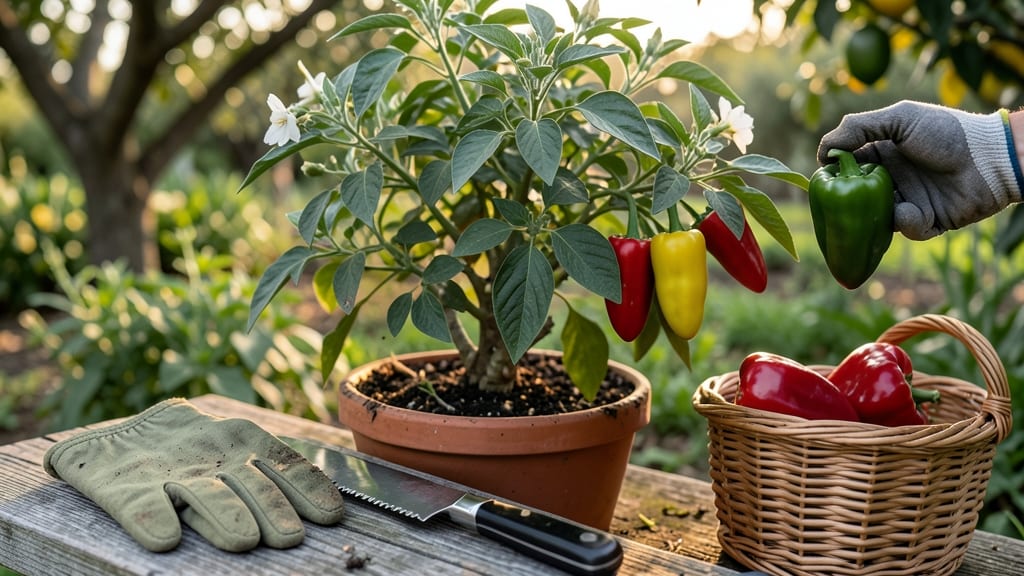
To pick garden salsa peppers at their peak for the best heat and flavor, watch for color shifts and firmness between late summer and early fall.
Picture this: you’ve nurtured your 🌶️ plants all season, and now the moment of truth arrives—when to snip those peppers for that perfect salsa punch. One day too early, and you’re left with bland, underripe pods. Too late, and they turn mushy or lose their fiery kick.
Color isn’t the only clue—size, skin texture, and even how easily they pull from the stem matter. A deep red jalapeño might be ready weeks before a vibrant orange habanero, and ignoring these details means missing out on the boldest flavors your garden has to offer.
In this guide, I’ll break down the exact cues to harvest your peppers at their prime, plus how often to pick them for a continuous bounty. No more guesswork—just bold, flavor-packed salsa every time.

Color-coded ripeness guide: when to pick salsa peppers by variety
Harvesting salsa peppers at the right color stage determines whether your homemade salsa tastes fresh, fruity, or overly sweet. Most gardeners focus only on red peppers, but green, yellow, and orange varieties offer unique flavor profiles and heat levels.
For example, a jalapeño picked green is milder but crunchier, while red jalapeños pack more heat and sweetness. Let’s break down the ideal harvest windows by color and variety to maximize your garden’s potential.
Understanding pepper maturity isn’t just about aesthetics—it’s about heat development. Many capsaicin compounds (the chemicals responsible for spiciness) peak as peppers ripen. A serrano pepper harvested yellow will be hotter than one picked green, while a habanero turns orange-red for maximum intensity.
Below, I’ve mapped out the color-to-ripeness timeline for popular salsa pepper varieties, so you can pick at peak flavor and spice.
For jalapeños, green peppers are best for pickling or fresh salsa where you want tangy crunch. Wait for red jalapeños if you’re making a sweet-and-spicy salsa—their sugar content deepens as they ripen.
Meanwhile, serranos and habaneros reach their maximum heat when fully red, but their yellow-orange stages still deliver serious spice with a slightly fruity undertone.
Don’t assume all peppers follow the same color-to-ripeness rule. Some varieties, like cherry peppers, stay green when ripe, while others (such as thai bird’s eye peppers) turn deep red but remain scorching hot.
Always check for firmness and stem separation—even if the color looks right. Overripe peppers become wrinkled and leathery, losing both flavor and heat.
Pro tip: Harvest jalapeños and serranos in the morning when capsaicin levels are lowest for safer handling. If you’re growing habaneros or cayennes, wear gloves—these peppers release volatile oils that can irritate skin.
Store freshly picked peppers in a paper bag in the fridge to slow ripening and preserve their peak spice for up to a week.
Timing your harvest also depends on your climate zone. In cooler regions (USDA zones 5-7), peppers may take longer to ripen, so start seeds indoors or choose shorter-season varieties
5 Signs your salsa peppers are ready (beyond just color)
Color alone doesn't tell the whole story when harvesting salsa peppers. While deep red or vibrant green may signal ripeness, these 5 physical cues guarantee you're picking at peak flavor and heat.
Ignoring them can mean bland peppers or wasted effort—especially since some varieties like jalapeños and serranos lose intensity if left too long on the vine.
Don't guess about ripeness—use these tactile tests to confirm readiness. A single misstep (like harvesting too soft or too firm) can ruin your homemade salsa's heat balance and aromatic complexity. Even experienced gardeners sometimes overlook subtle clues that make the difference between mild disappointment and bold, restaurant-quality flavor.
Measure against plant tags—most jalapeños should be 2-3 inches long; serranos 1-2 inches. Smaller peppers pack more heat but less flavor.
Gently press a pepper—if it resists and doesn't dent easily, it's ready. Thin-skinned peppers are underripe and watery.
Twist gently—if the pepper snaps off at the stem (not the body), it's prime. Peppers that tear are overripe.
No green streaks or pale patches. Red peppers should be deep; green varieties like poblano must be fully glossy.
Slice open a pepper and taste a tiny piece. If the heat builds gradually (not immediate burning), it's ready. Underripe peppers taste sour; overripe ones are mushy.
Pro tip: Harvest early morning when peppers are coolest—this preserves heat potency and flavor oils. Use clean pruning shears or your fingers to avoid damaging the plant. For jalapeños, pick when they're still green but firm; their heat peaks at 70% maturity.
Overlooking these signs can cost you big time. I once waited until my habaneros turned completely red—only to discover they were wrinkled and bitter. Now, I check size and skin texture first, then confirm with the stem test.
Your salsa will thank you with bold, consistent heat every time.
🌶️