
Picking
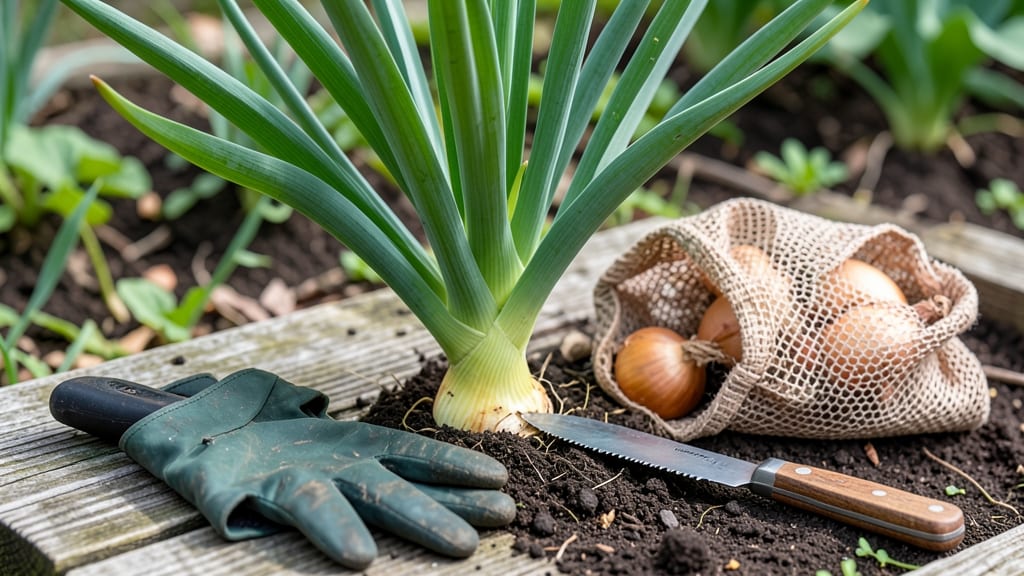
Harvesting onions from the garden at the right time ensures sweet, flavorful bulbs instead of bitter, tough ones 🧅 — and those 30-day windows between perfect and ruined can sneak up fast.
Picture this: you’ve spent weeks tending your onions, only to pull them too early and find tiny, underdeveloped bulbs, or worse, wait too long and end up with shriveled, pungent disappointments. The key? Watching for the right visual cues and knowing when to act.
In USDA Zone 6a, where spring planting kicks off in March, onions typically mature between June and August, but timing varies by variety. Green onions (scalions) can be harvested early, while storage onions need patience—and the right signals to pull them.
Below, I’ll walk you through the size, color, and stem clues that mean your onions are ready, plus how to adjust for your climate and store them for months. No more guesswork, just perfect harvests every time.

How to identify perfect onion harvesting size by variety (bulb diameter guide)
Harvesting onions at the right size ensures sweet, flavorful bulbs instead of tough, pungent ones. The key lies in understanding variety-specific diameter benchmarks and adjusting your watering schedule.
For yellow onions, the ideal harvest window often arrives 100-120 days after planting, while red and white varieties may mature slightly earlier or later depending on your climate zone.
Most gardeners make the mistake of waiting too long, assuming bigger bulbs equal better flavor. But over-mature onions develop tough skins and bitter tastes. The secret? Stop watering 2-3 weeks before harvest—this stress triggers natural sweetening while preventing bulbs from splitting or rotting.
I’ve found this technique works especially well in hot, dry climates where onions tend to mature faster.
Let’s break down the perfect bulb diameters by onion type to help you time your harvest precisely. These measurements apply to both storage onions (long-day varieties) and fresh-market onions (intermediate-day types). Pay close attention to the neck diameter too—it’s often the most reliable indicator of readiness.
For yellow onions, aim for bulbs between 1.5–2.5 inches in diameter—they’re perfect for storage and cooking.
If you’re growing red onions, harvest when they reach 1–1.75 inches—these stay crisp longer and are ideal for fresh salads. White onions, often used in Mexican and Asian cuisine, should be harvested at 1.25–2 inches for the best balance of sharpness and sweetness.
One trick I’ve learned is to harvest a few test onions 2–3 weeks before the expected maturity date. Cut one in half to check the neck thickness—if it’s pencil-thin (½ inch or less), your onions are ready.
Thicker necks mean they need more time. This method saves you from harvesting too early, which results in small, underdeveloped bulbs that won’t store well.
Adjust your watering schedule based on your onion type. For storage onions, reduce watering 2–3 weeks before harvest to concentrate flavors and toughen skins for longer storage. For fresh-market onions, like red varieties, you can water lightly until harvest to maintain crispness.
I’ve seen home gardeners double their harvest success by following this simple adjustment!
Regional climate plays a huge role in onion sizing. In hotter zones (8–10), onions mature faster, so monitor their growth closely and harvest earlier. In cooler zones (3–6), they may take longer to reach ideal sizes—don’t rush the process.
For example, in Zone 5, I’ve had to wait until late July or early August to harvest yellow onions, while in Zone 9, they’re often ready by late
3 Color & stem signals that your onions are ready to pull (avoid these mistakes)
Harvesting onions at the right time ensures sweet, flavorful bulbs instead of bitter, overgrown disappointments. The key lies in watching for three visual signals that indicate peak ripeness: papery necks, flattened stems, and color changes.
These cues work for both yellow and red onion varieties, though timing may vary slightly by type.
First, focus on the stem color. Mature onions develop a straw-like yellowing at the base of the stem, signaling the bulb has reached its ideal size. This color shift happens naturally as the plant redirects energy from leaf growth to bulb development.
Ignoring this sign often leads to overripe onions that split open or develop hollow centers.
Next, examine the neck of the onion. When it becomes dry and papery—about ½-inch thick—this is your green light to harvest. The neck should feel crisp rather than moist, and the skin should peel away easily.
This texture change means the bulb has fully matured and stored enough sugars for great flavor.
⚠️ callout-warning ⚠️
Pulling onions prematurely (when tops are still green) results in small, pungent bulbs that won’t store well. Conversely, waiting too long causes bitter, split onions with poor texture. Stop watering 2 weeks before harvest to concentrate flavors and trigger these visual cues faster.
The stem flattening is another critical clue. As onions mature, their stems naturally flatten and yellow before falling over entirely. This happens when the bulb has absorbed all the nutrients it needs.
If you see stems still upright and green with new growth, your onions need more time in the ground.
For red onions, watch for a slight purple tint on the papery neck, which deepens as they ripen. White onions, on the other hand, develop a translucent, almost glass-like appearance on the skin when ready.
These color shifts are your final confirmation that the bulbs are perfect for pulling.
Pro tip: Gently wiggle the onion in the soil. If it comes out easily with minimal resistance, it’s ready. Resist the urge to harvest based on size alone—bulb diameter (1-2 inches) matters less than these color and stem signals.
Timing these cues right ensures your harvest yields sweet, long-storing onions every time.
Once pulled, cure onions in a dry, shaded spot for 2-3 weeks to develop their full flavor. Store them in a cool, dark place with good air circulation to prevent spoilage. With these signals mastered, you’ll never miss the perfect harvest window again! 🧅