
Picking
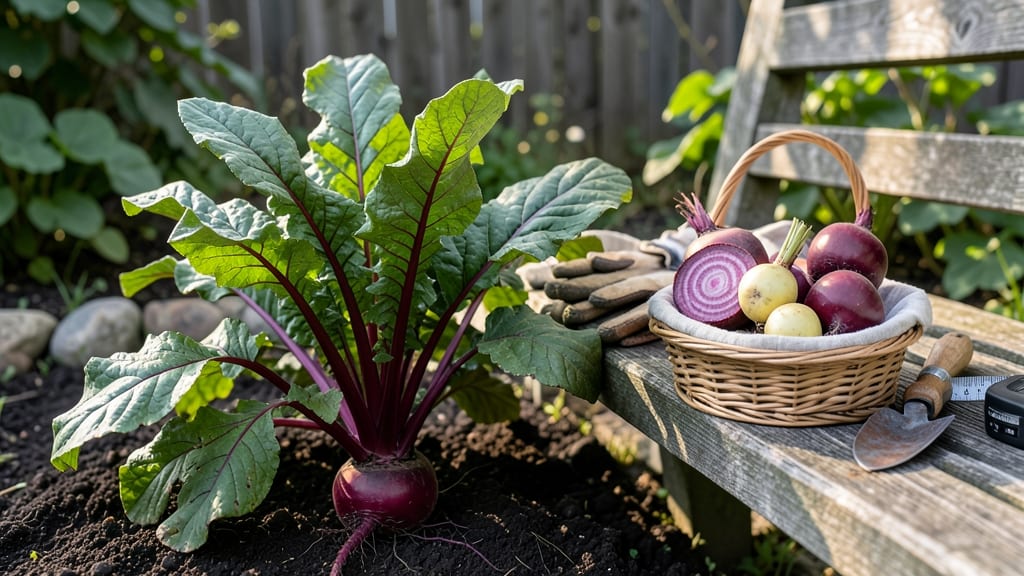
Harvesting beets from your garden when they’re 1–3 inches in diameter 🍠 unlocks their sweetest, tender flavor—before they turn woody or bolt.
Picture this: you dig up a beet that’s hard as a rock or bitter-tasting, and you realize you waited too long. That’s the moment you’ll wish you’d checked the soil and size sooner.
Beets mature in 60–70 days, but timing matters just as much as size. A quick soil check—looking for firm roots and vibrant greens—tells you exactly when to pull them for peak sweetness.
In this guide, I’ll show you the 3 key checks (size, soil, and season) to harvest beets at their best, plus how to avoid common mistakes that ruin flavor.

How to determine beet size for perfect harvest timing
Beets are one of those garden rewards where timing truly matters—pull them too early, and you’ll sacrifice flavor and size. Harvest too late, and they turn woody or bitter.
The ideal beet diameter for peak sweetness and tenderness falls between 1 to 3 inches, but this varies slightly by variety and your intended use.
For example, Detroit Dark Red beets shine when harvested at 2 to 2.5 inches, offering a perfect balance of earthy sweetness and firm texture. Meanwhile, Chioggia beets (the striped variety) are best pulled slightly smaller, around 1.5 to 2 inches, to preserve their delicate, candy-like interior.
Baby beets, like the Little Ball variety, can be harvested as small as 1 inch for salads or pickling.
Size isn’t the only factor—texture and color also signal readiness. A perfectly ripe beet will have smooth, firm skin with no cracks or blemishes. The leaves should be vibrant green and 4 to 6 inches tall, indicating the root has reached its prime.
If the leaves start yellowing or the beet feels hollow when tapped, it’s past its peak.
Here’s a quick reference to help you visualize the ideal harvest window for different beet types:
Larger beets, like those over 3 inches, tend to develop a woody core and lose sweetness. However, if you’re growing beets for long-term storage, you can let them mature slightly larger (up to 3.5 inches) and harvest before the first frost.
Smaller beets, like 1-inch "baby" varieties, are perfect for quick salads or pickling—their tender texture holds up beautifully when cooked briefly.
Pro tip: If you’re unsure whether your beets are ready, gently tug on the leaves. A ripe beet will pop out of the soil easily with minimal resistance. If it feels loose or breaks off, it’s not ready yet.
Over-mature beets (those over 3.5 inches) often have a hollow center or tough skin, which can make them less enjoyable to eat.
For continuous harvests, plant beets in succession every 2 weeks during the growing season. This ensures you always have fresh, tender beets ready to pull when they reach the perfect size. Varieties like Detroit Dark Red and Golden are great for this method, as they mature quickly and consistently.
Remember, sweetness peaks before size. Beets left in the ground too long can become bitter or fibrous, especially in hot weather. If you notice the tops wilting or the soil drying out, it’s time to harvest—even if the beets aren’t at your target size.
A slightly smaller beet is always better than one that’s overripe and tough.
🌱
Soil and seasonal clues that signal harvest readiness
Understanding soil conditions and seasonal patterns is key to harvesting beets at their sweetest. Unlike many vegetables, beets don't bolt or become bitter with cold—they actually sweeten when exposed to fall frosts (up to 20°F). That said, timing matters to avoid tough, fibrous roots or hollow centers.
Start by checking the soil moisture—beets need consistently damp soil but hate soggy conditions. If the top inch feels dry, water deeply before harvest. The ideal harvest window falls when soil temperatures stay between 50-75°F, typically late summer through early fall for most USDA zones.
⚠️ callout-warning ⚠️
Beets left in dry soil or extreme heat develop wooden cores. If your garden's soil cracks or feels bone-dry, harvest immediately—even if roots aren't perfect size. Late-summer droughts are the #1 reason for bitter harvests.
Watch for leaf color changes—healthy beet greens stay vibrant green, but yellowing edges signal either nutrient deficiency or harvest readiness. For Detroit Dark Red varieties, pull when leaves reach 4-6 inches tall. Chioggia (striped) beets can wait slightly longer since their ringed patterns develop fully at maturity.
Seasonal shifts matter: Spring-planted beets (March-April) should harvest by late May-June before bolting. Summer-planted varieties (July-August) peak in September-October, when cooler temps enhance sweetness. In Zone 7+, you can extend harvests into November by mulching heavily.
For a non-destructive test, gently tug on a beet's leaves—if it slides easily from the soil, it's ready. If resistance remains, wait 3-5 days. Never harvest after a hard frost (below 20°F), as roots become mushy. Instead, cover beds with row fabric to protect them until harvest.
Pro tip: Harvest in the morning when soil is coolest. Use a hand fork to loosen roots—this prevents damage to neighboring plants. Store harvested beets in moist sand at 32-40°F for up to 3 months, or cook them immediately for peak flavor.