
How To
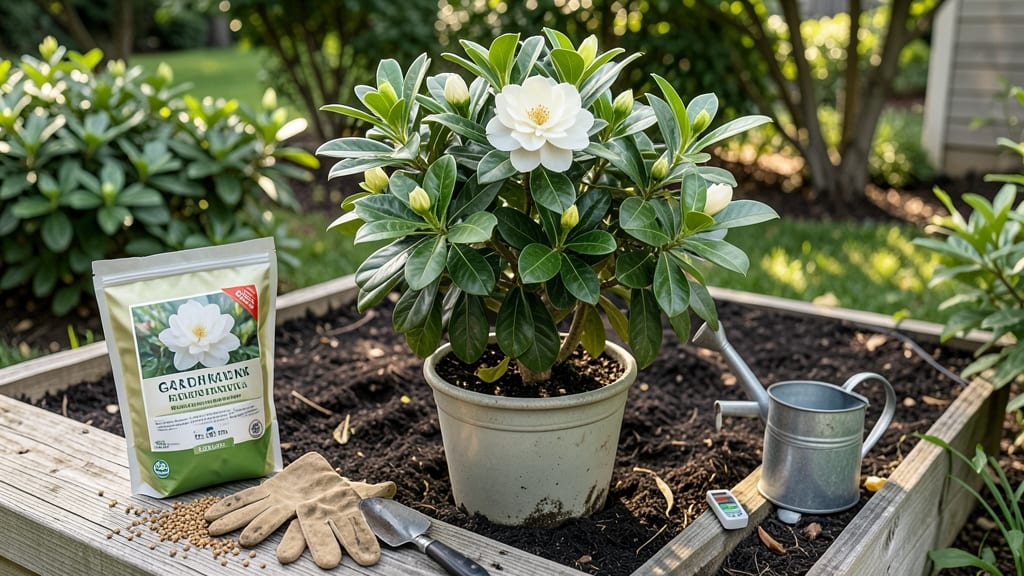
To fertilize gardenia 🌸 plants at the right time means more blooms and stronger growth—start feeding just as new shoots appear in early spring and taper off by late summer.
Your gardenias could be blooming more abundantly—if you fertilize them at the exact right times. Timing is everything for these fragrant stars, and missing their peak feeding windows means fewer flowers and weaker growth.
Most gardeners overlook the fact that gardenias hate winter feeding. A late-season boost can shock their roots, while spring and summer are when they crave nutrients to fuel blooms and foliage.
Below, I’ll break down the month-by-month schedule for your climate zone, the best fertilizer types, and how to spot when your plant is begging for more—or needs a break.
Best fertilizing schedule for gardenia blooms: seasonal breakdown by climate zone
Timing your gardenia fertilizer applications is the secret to show-stopping blooms and lush foliage. These tropical beauties thrive on consistent feeding during their active growth phases, but overdoing it in the wrong season can stress your plants and reduce flowering.
The key lies in understanding how your climate zone affects their natural growth cycle—whether you're in frost-prone Zone 7 or frost-free Zone 11.
In warmer climates (Zones 8-11), gardenias grow almost year-round, so their feeding schedule stretches longer. Meanwhile, gardeners in cooler zones (7 and below) must time fertilizing to align with their shorter growing season.
I'll break down the exact months to feed, the right fertilizer types, and how to adjust for your local climate for maximum fragrance and blooms.
🌸 Pro Tip: Always use an acid-loving plant fertilizer (pH 5.0-6.0) and apply in the early morning to avoid leaf burn. Slow-release options work best for consistent nutrition without risk of overfeeding.
| Climate Zone | Pre-Bloom (March-May) | Bloom (June-August) | Recovery (September-November) | Dormant (December-February) |
|---|---|---|---|---|
| Zones 8-11 (Warm) | Feed every 4 weeks (March-May) | Feed every 6 weeks (June-August) | Light feed in Sept only | No fertilizer |
| Zones 7 & Below (Cool) | Feed every 4 weeks (April-May) | Feed every 6 weeks (June-July) | No fertilizer (growth slows) | No fertilizer |
🌱 Note: Adjust timing 2-4 weeks earlier in southern regions of each zone
For Zones 8-11, the growing season never truly stops, so you'll feed gardenias throughout spring and summer to sustain continuous blooming. Start with a light application in March to kickstart new growth, then switch to monthly feedings until June.
During peak bloom (June-August), reduce to every 6 weeks with a phosphorus-rich fertilizer (like 6-12-6) to encourage more flowers.
In Zones 7 and below, gardenias enter dormancy earlier, so fertilizing stops by late summer. Begin feeding in April after the last frost, using a balanced 8-3-9 fertilizer to promote both foliage and blooms.
By August, pause fertilizing entirely—your plant needs time to harden off before winter. Resume in April of the next year.
One critical mistake I see is fertilizing in fall or winter, which forces weak growth that can't survive cold temperatures. Gardenias store energy in their roots during dormancy, so never feed when leaves yellow naturally or growth slows. Instead, focus on mulching and watering adjustments to protect them.
If you're in a transition zone (Zone 7b-8a), blend these schedules: feed lightly in March and September to account for unpredictable frost dates. Always monitor your plant's response—dark green leaves and new buds mean you're on track, while yellowing or leaf drop signals over-fertilization.
For potted gardenias, follow the same schedule but reduce fertilizer amounts by 30% since pots dry out faster and nutrients leach away. Use a water-soluble acid fertilizer every 4 weeks during growing months, flushing the soil with rainwater (never tap water) to maintain the right pH.
🌿 Remember: Gardenias reward precise care. Stick to this schedule, and you'll enjoy glossy leaves and fragrant blooms from spring through fall—no matter where you garden!
Signs your gardenia needs fertilizer (and when to adjust your routine)
Your gardenia might be silently screaming for nutrients if you notice yellow leaves between the veins or sparse blooms despite proper care. These are classic signs your plant isn't getting the phosphorus and potassium it craves for flowering.
Even slow growth in spring or dropping buds before opening can signal it's time to adjust your routine.
Don't wait until your gardenia looks stressed to act—catching deficiencies early makes all the difference. The key is matching your fertilizing schedule to your plant's current needs, whether it's organic compost for slow-release nutrition or a balanced synthetic feed for quick results.
Let's decode what your gardenia is really telling you.
When to Fertilize Your Gardenia
If your gardenia shows yellow leaves with green veins, it's likely suffering from iron deficiency—a common issue in alkaline soils. This is your cue to lower soil pH with sulfur or peat moss while also applying a chelated iron fertilizer.
For sparse blooms, the problem is usually low phosphorus, which you can fix with a bloom-boosting fertilizer like 10-20-10.
Organic gardeners should look for composted pine bark or fish emulsion to provide slow-release nutrients, while synthetic users might prefer time-release granules for consistent feeding. The key is matching the fertilizer to your gardenia's current stage—new growth needs nitrogen, budding needs phosphorus, and maintenance needs potassium.
Never fertilize when your gardenia is stressed from transplant shock or extreme heat. Wait until it shows new growth (usually 4-6 weeks after planting) before introducing any nutrients. And remember: more isn't better—over-fertilizing causes burned roots and leaf scorch, which are harder to fix than deficiencies.
For potted gardenias, reduce fertilizer by half since they have limited root space to absorb nutrients. Always follow the label instructions and consider foliar feeding during hot months when roots struggle to absorb nutrients from the soil.
Your gardenia will thank you with healthier foliage and more fragrant blooms all season long.