
Fertilization
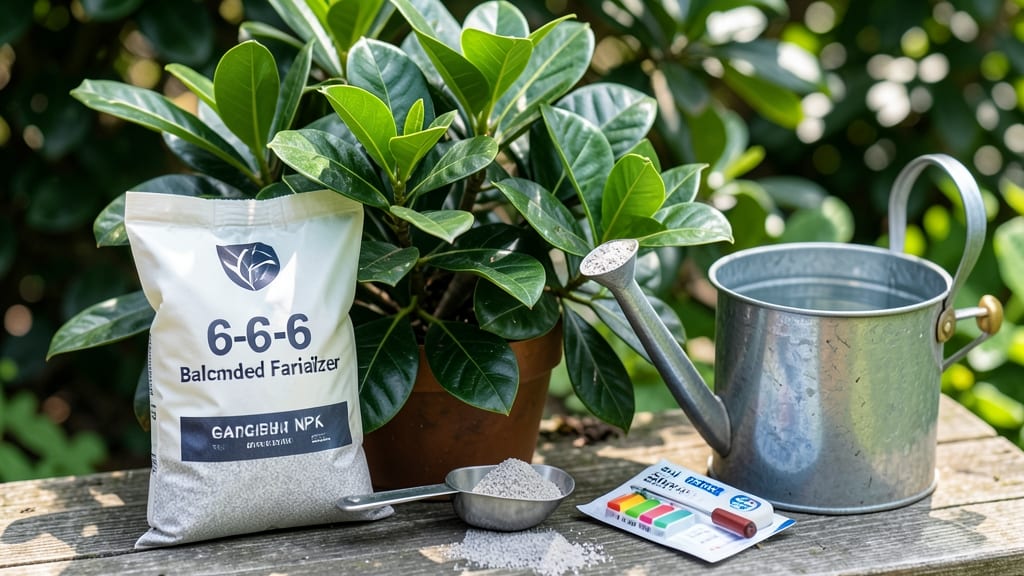
The right gardenia fertilizer ratio is the key to lush foliage and those fragrant blooms you love — a balanced mix of nitrogen, phosphorus, and potassium tailored to your plant’s needs.
Picture this: your gardenia 🌸 is throwing out leaves like crazy, but not a single bud in sight. That’s your nitrogen-happy plant telling you it’s starving for phosphorus, the nutrient that actually makes flowers happen.
Too much of the wrong thing, and you’ll end up with a leafy monster instead of a fragrant powerhouse.
Most gardeners overcomplicate it, but the secret isn’t some fancy formula—it’s a simple N-P-K ratio (think 6-6-6 or 8-8-8) applied at the right time. Too much nitrogen in spring? You’ll drown out blooms.
Too little phosphorus in summer? Those buds won’t even form. Below, I’ll break down the exact ratios, when to feed, and how to avoid the most common mistakes.
Whether you’re using organic fish emulsion or a synthetic blend, you’ll learn how to mix it right, spot signs of over-fertilizing, and keep your gardenia blooming from June through September—without the guesswork.
Optimal gardenia fertilizer ratio: N-P-K breakdown for maximum blooms
Gardenias are famous for their intoxicating fragrance and glossy foliage, but achieving those show-stopping blooms depends heavily on the right fertilizer ratio. The key lies in understanding how nitrogen (N), phosphorus (P), and potassium (K) work together to fuel your plant’s growth.
Too much nitrogen without enough phosphorus will leave you with lush leaves but no flowers—and that’s the last thing you want from a gardenia!
For gardenias, the ideal fertilizer ratio is typically 6-6-6 or 8-8-8, but the real magic happens when you adjust this ratio seasonally. Phosphorus is the flowering powerhouse, while nitrogen supports leafy growth and potassium strengthens overall plant health.
Let’s dive into the science and practical tips to get your gardenia blooming like never before.
⚠️ NON-NEGOTIABLE: Gardenias thrive in acidic soil (pH 5.0-6.5). Always use an acid-loving plant fertilizer or amend your soil with sulfur or peat moss to maintain this pH range. Without it, your plant won’t absorb nutrients efficiently, no matter how perfect your N-P-K ratio is.
The 6-6-6 or 8-8-8 ratio is a great starting point, but gardenias are seasonal bloomers, so your fertilizer strategy should shift with the seasons. In early spring, focus on nitrogen (N) to jumpstart foliage growth after winter dormancy.
This is when your gardenia is building energy for the summer blooming season. Think of it like prepping for a marathon—you need strong legs (leaves) before you can run (bloom)!
By late spring to early summer, switch to a higher-phosphorus ratio, like 5-10-10 or 6-12-6. Phosphorus is the bud formation catalyst, encouraging your gardenia to produce those fragrant white blooms you love.
Many gardeners swear by bone meal or superphosphate during this phase because they’re packed with phosphorus. Just remember: too much phosphorus can lead to salt buildup in the soil, so always water thoroughly after application.
Potassium (K) often gets overlooked, but it’s critical for bloom health and disease resistance. A balanced ratio (6-6-6) ensures your gardenia’s flowers stay vibrant and long-lasting. In hot, humid summers, potassium helps your plant fight off fungal diseases like powdery mildew, which can ruin your blooms.
Look for fertilizers with humic acid or kelp meal to boost potassium naturally.
One common mistake I see is over-fertilizing in fall and winter. Gardenias enter dormancy in cooler months, so skip fertilizer entirely from October through February (or adjust for your local climate). Instead, focus on mulching
How to apply gardenia fertilizer correctly: step-by-step ratio guide
Getting your gardenia to bloom requires precise fertilizer timing and ratio adjustments. Unlike many plants, gardenias thrive on a balanced N-P-K ratio with slightly more phosphorus to encourage flowers. The key is applying fertilizer during active growth phases while avoiding overfeeding, which can burn delicate roots.
Let’s walk through the exact steps to achieve fragrant blooms without stressing your plant.
Start fertilizing in early spring when new growth begins, using a 6-6-6 or 8-8-8 ratio fertilizer. This balanced approach supports both foliage and flower development. For established plants, switch to a 5-10-10 formula during the blooming season (summer) to prioritize phosphorus.
Always dilute liquid fertilizers to half-strength for gardenias, as their roots are sensitive to salt buildup from concentrated solutions.
Symptoms of Over-Fertilization: Brown leaf tips, leaf drop, stunted growth, white crust on soil surface.
Symptoms of Under-Fertilization: Yellowing leaves, sparse blooms, weak stems, slow growth.
Solution: Flush soil with water if over-fertilized. Reduce frequency to every 8 weeks if under-fertilized.
For seasonal adjustments, feed lightly in spring (March-April) to stimulate new growth, then increase phosphorus in summer (June-August) to support blooming. Skip fertilizing in fall and winter—this mimics the plant’s natural dormancy period.
Always water thoroughly after applying fertilizer to help nutrients penetrate the soil and prevent root burn.
When mixing organic fertilizers, like fish emulsion or bone meal, follow a 1:1 ratio with compost. For example, combine 1 part bone meal (high phosphorus) with 1 part compost to create a slow-release bloom booster.
Reapply this mix every 6-8 weeks during the growing season. Always test your soil’s pH before fertilizing—gardenia roots prefer acidic soil (5.0-6.5).
Monitor your gardenia’s response closely. If you notice excessive leaf growth but no flowers, reduce nitrogen and increase phosphorus in your next application. Conversely, if buds form but fail to open, your plant may need more potassium.
Adjust your fertilizer ratio gradually—sudden changes can shock the plant. Patience and observation are key to achieving that signature gardenia fragrance.
For container-grown gardenias, halve the fertilizer amount since roots have limited access to nutrients. Use a slow-release granular fertilizer like Osmocote for potted plants to avoid frequent applications.
Always water containers thoroughly after fertilizing to prevent salt buildup in the soil. With consistent care, your gardenia will reward you with abundant, fragrant blooms year after year.