
Blooming
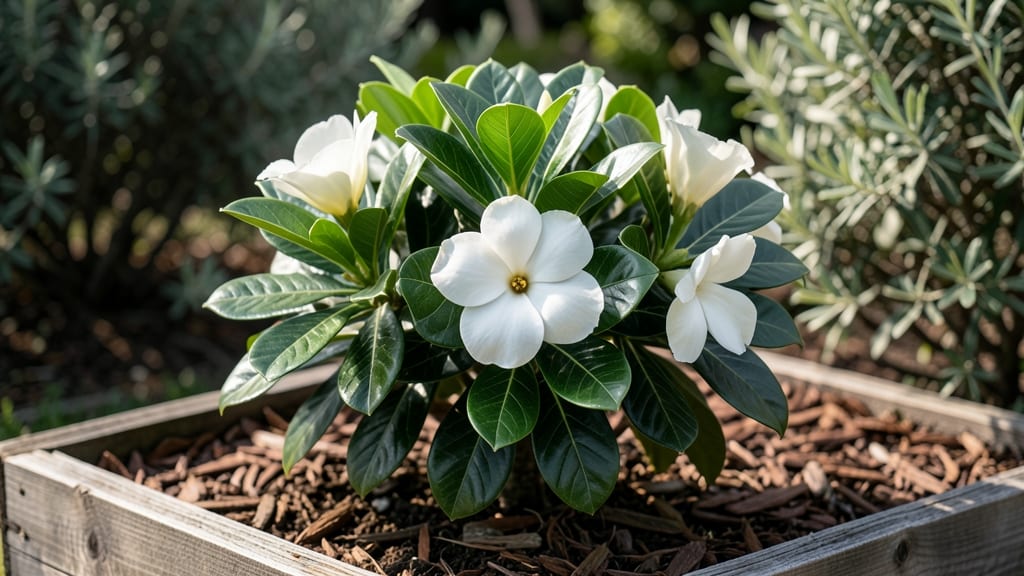
Gardenias in Florida bloom between late winter and early summer, with timing that shifts by 1-2 months depending on your region and variety.
If you’ve ever wondered why your gardenias aren’t blooming—or when to expect their fragrant white flowers—timing is everything. Unlike many plants, gardenias follow a strict seasonal schedule in Florida, with blooming windows that vary dramatically by variety and region.
In North Florida (Zones 9a-9b), blooms typically start in March and peak by May, while South Florida gardenias (Zones 10a-11) often burst into flower as early as February.
The key? Understanding your microclimate and variety—because even within the same city, a gardenia in a shaded backyard might bloom weeks later than one in full sun.
Below, I’ll break down the exact months for popular Florida varieties, how to adjust for cooler pockets, and the 3 signs your gardenia is about to bloom—so you can plan your pruning, fertilizing, and fragrance-filled mornings like a pro.
Florida gardenia blooming seasons by popular varieties (with exact months)
Florida’s gardenias are famous for their intoxicating fragrance and glossy blooms, but their blooming windows shift dramatically depending on the variety and your specific Florida region.
Unlike many plants, gardenias thrive year-round in Florida’s USDA Zones 9a-11, but their peak bloom times are tightly linked to temperature shifts and humidity patterns. Understanding these timelines helps you plan pruning, fertilize strategically, and maximize fragrance in your garden.
In North Florida (Zones 8a-9a), cooler winters delay blooms until late spring or early summer, while South Florida (Zones 10a-11) gardenias often start flowering as early as February and continue through fall. Central Florida falls somewhere in between, with blooms typically peaking from April to June.
The key difference? Chilling hours—gardenias need 50-100 hours below 60°F to trigger buds, which happens naturally in North Florida winters but rarely in Miami’s heat.
🌸 Florida Gardenia Blooming Calendar by Variety
| Variety | North FL (Peak) | Central FL (Peak) | South FL (Peak) | Notes |
|---|---|---|---|---|
| 'Kleim’s Hardy' | May–July | April–June | March–May | Cold-hardy; blooms later in cooler zones |
| 'Radicans' | June–August | May–July | April–June | Vining type; needs support for best blooms |
| 'Veitchii' | June–September | May–August | April–July | Large blooms; heat-tolerant but needs shade |
| 'Fortuniana' | July–September | June–August | May–July | Drought-tolerant; smaller flowers but prolific |
| 'Mystery' | May–June | April–May | March–April | Early bloomer; sensitive to frost |
The 'Kleim’s Hardy' gardenia is the most North Florida-friendly variety, often waiting until May or June to bloom due to cooler winters.
In Gainesville or Jacksonville, you’ll see its creamy-white flowers peak in late spring, while Central Florida gardeners (like those in Orlando or Tampa) enjoy blooms from April to June.
Meanwhile, South Florida’s heat pushes blooming earlier—'Kleim’s Hardy' may start as early as March in Miami or Fort Lauderdale, with a second flush in fall.
If you’re growing 'Veitchii' gardenias, expect a longer bloom season—especially in South Florida, where they can flower from April to July. This variety produces large, fragrant blooms but requires afternoon shade to prevent leaf scorch during Florida’s intense summer sun.
In North Florida, their blooming window shifts to June–September, often overlapping with 'Radicans', a vining gardenia that thrives in humid conditions and produces clusters of smaller, highly fragrant flowers.
For year-round fragrance, mix varieties like 'Mystery' (early bloomer) with 'Fortuniana' (late-season drought-tolerant). The 'Mystery' gardenia is a fan favorite in South Florida, often blooming as early as March and setting the stage for 'Fortuniana'’s summer-to-fall display.
In Central Florida, these two varieties can create a near-continuous bloom cycle from March to September, with careful pruning and fertilizing.
Pro tip: Prune gardenias immediately after their peak bloom season to encourage next year’s buds. For example, if your 'Kleim’s Hardy' blooms in June, prune in early July to shape the shrub and remove spent flowers.
This timing ensures you don’t accidentally cut off next year’s buds, which form on old wood. Avoid heavy pruning in fall or winter, as gardenias need their <
How Florida’s microclimates affect gardenia blooming times (and what to do)
Florida’s gardenias are famous for their intoxicating fragrance, but their blooming times vary wildly depending on where you live in the state.
In Miami’s tropical Zone 10B, gardenias often burst into bloom as early as February, while those in Orlando’s Zone 9A typically wait until April or May. This 6-week difference isn’t just luck—it’s all about microclimates and how heat, humidity, and even urban heat islands trigger flowering.
Microclimates create pockets of warmth near buildings, pavement, or water bodies that can push gardenias into bloom weeks ahead of schedule. For example, a gardenia in a shaded Orlando backyard might bloom in June, while one in a sunny Tampa courtyard could start as early as March.
Understanding these patterns helps you predict and even control when your gardenias will flower.
If you prune gardenias after late summer, you risk removing next year’s flower buds. Gardenias set buds in late summer/early fall, so pruning too late can delay—or even cancel—next season’s blooms. Prune right after flowering (spring/summer) to avoid this mistake.
To force blooms in cooler months, start with the right fertilizer triggers. Gardenias need a balanced 8-3-9 NPK fertilizer (acid-loving formula) applied in early spring to kickstart growth.
A second feeding in late summer encourages bud formation. For urban gardeners, container-grown gardenias often bloom earlier because pots warm up faster in sunlight.
Another trick is to mimic tropical conditions in cooler areas. Use black plastic mulch around the base to absorb heat, or plant near a south-facing wall to create a microclimate. Even a small windbreak can help—gardenias hate cold drafts, which can shock buds into dropping.
In North Florida (Zone 8B), where winters dip into the 30s, consider winter mulching with pine straw to insulate roots.
If your gardenias are late bloomers, check their light exposure. Too much afternoon sun can stress plants, while too little light delays flowering. Aim for morning sun and afternoon shade, especially in Central and South Florida.
In urban areas, air pollution can also stunt blooms—regularly misting leaves with water helps wash away grime.
Pro tip: Deadhead spent blooms in spring to encourage more flowers, but avoid heavy pruning until after the blooming season. With the right microclimate hacks, you can coax gardenias to bloom earlier in cooler regions or extend their season in warmer areas.
The key is observing your local patterns and adjusting care accordingly.