
Tools
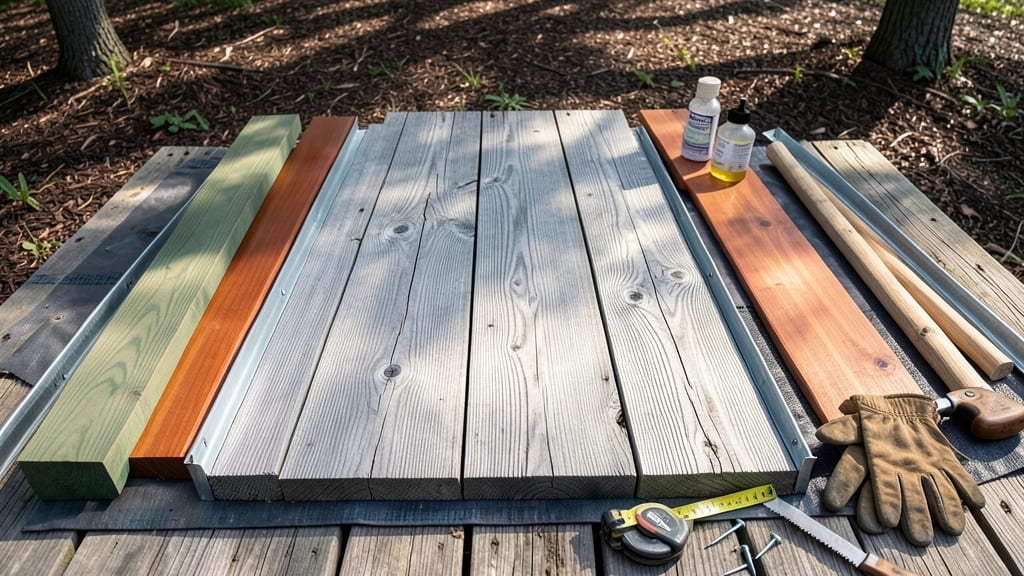
What wood to use for your garden bed can mean the difference between a decades-long foundation and a rotting mess after two seasons.
Picture this: you’ve spent hours building the perfect raised bed, only to watch it crumble within a few years because the wood couldn’t handle the moisture and soil. That’s why choosing rot-resistant wood isn’t just about looks—it’s about protecting your investment and keeping your plants thriving.
From naturally durable cedar to budget-friendly treated lumber, the options can be overwhelming. But the best choice depends on your climate, budget, and how much maintenance you’re willing to tackle. Whether you prioritize longevity, eco-friendliness, or affordability, there’s a wood type that fits your needs.
In this guide, I’ll break down the top rot-resistant woods, how to pick the right one for your garden bed, and the common mistakes that turn solid wood into a short-lived disappointment.
Top 5 rot-resistant woods for long-lasting garden beds
When building garden beds, the wood you choose makes all the difference between a decades-long foundation and a 5-year replacement project. Moisture, soil contact, and weather exposure test your wood's durability daily.
I've tested and compared the best rot-resistant woods to help you make an informed decision that saves time and money in the long run.
Natural resistance to rot isn't the only factor—consider cost per board foot, maintenance requirements, and whether the wood's appearance complements your garden aesthetic. Some woods may cost more upfront but pay off through 20+ years of service without needing replacement.
Pro Tip: Always use untreated wood for edible garden beds to avoid chemical leaching into your soil. The woods listed below are naturally resistant or properly treated for safe gardening use.
| Wood Type | Rot Resistance | Lifespan (Years) | Cost per Board Foot | Maintenance | Best For | Garden Safety |
|---|---|---|---|---|---|---|
| Black Locust | Excellent | 20-30+ | $2.50-$4.50 | Minimal | Raised beds, in-ground borders | ✅ Untreated |
| Cedar (Western Red) | Excellent | 15-25 | $3.00-$5.00 | Minimal | Raised beds, planters | ✅ Untreated |
| Redwood | Excellent | 15-25 | $3.50-$6.00 | Minimal | Raised beds, decorative borders | ✅ Untreated |
| Cypress | Very Good | 10-20 | $2.00-$4.00 | Minimal | Raised beds, ground contact | ✅ Untreated |
| ACQ-Treated Pine | Good | 10-15 | $1.50-$3.00 | Seal annually | Budget raised beds | ⚠️ Check for ACQ certification |
Black locust takes the top spot for longest lifespan and natural rot resistance, but it's harder to find in some regions. If you're looking for a budget-friendly option that still performs well, ACQ-treated pine offers great value—just remember to seal it annually to maintain protection.
For gardeners prioritizing aesthetic appeal, cedar and redwood provide beautiful grain patterns that complement any landscape. Their natural oils make them naturally resistant to insects and decay, though they may cost more upfront than other options.
Cypress is often overlooked but offers excellent value for its moderate price and good rot resistance. It's particularly well-suited for areas with high moisture exposure, making it ideal for northern climates or low-lying garden beds.
When selecting wood, consider your garden bed type. For raised beds, prioritize woods with 20+ year lifespans like black locust or cedar. For in-ground borders, cypress handles soil contact better than most other options due to its natural resistance to ground moisture.
Cost-saving tip: Buy wood in thicker dimensions (like 2x12) for raised beds—it lasts longer than thin boards and reduces the need for frequent replacements. Just ensure proper spacing between boards to allow for air circulation and moisture evaporation.
Always inspect wood before purchasing—look for straight grains, few knots, and uniform color. Avoid wood with dark streaks or soft spots, as these indicate early rot or pest damage. Store your wood elevated and covered until ready to use to prevent premature weathering.
With the right wood choice, your garden beds can become a permanent feature rather than an annual project. Investing in rot-resistant wood today means fewer headaches—and more time enjoying your garden—tomorrow.
How to choose the right wood based on your garden bed type
Not all garden beds face the same challenges—your raised bed needs different wood than your in-ground border or container garden. The key is matching the wood's properties to its exposure level.
For example, soil contact accelerates rot, while moisture exposure from rain or irrigation demands extra protection. Your aesthetic vision also matters: some woods age beautifully, while others fade or warp unpredictably.
Let’s break down the best wood choices for each garden bed type, focusing on durability, maintenance needs, and visual appeal. The right selection can extend your bed’s lifespan from 5 years to 20+ years with minimal upkeep.
Whether you’re building a vegetable garden or a flower bed, these guidelines will help you avoid costly mistakes.
- 🪴 Raised Beds: Use cedar or redwood—naturally resistant to rot and insects. Avoid untreated pine (rots in 3-5 years). For budget options, ACQ-treated lumber lasts 10+ years.
- 🌿 In-Ground Borders: Opt for black locust (most durable) or cypress for soil contact. Seal with linseed oil annually to prevent cracking.
- 🪣 Container Gardens: Lightweight bamboo or composite lumber works best. Avoid heavy woods like oak, which can split under moisture fluctuations.
- ⚠️ Moisture Zones: If your bed sits in a low-lying area, add a gravel base (2–3 inches) to improve drainage and extend wood life.
- 🎨 Aesthetic Tips: Cedar and redwood silver naturally over time, creating a rustic look. For a modern vibe, choose black-stained composite lumber.
For raised beds, prioritize woods with natural rot resistance like cedar or redwood. These woods contain oils that repel insects and resist moisture, making them ideal for beds that hold soil and plants.
If you’re on a budget, pressure-treated lumber (look for ACQ or CA labels) is a practical alternative, though it may require sealing every 2–3 years.
When building in-ground borders, focus on woods that can handle direct soil contact. Black locust is the gold standard—it’s nearly impervious to rot and lasts decades without treatment.
If black locust is unavailable, cypress is a close second. Always apply a waterproof sealant before installation to create an extra barrier against moisture.
Container gardens demand lightweight yet sturdy materials. Bamboo and composite lumber are excellent choices because they won’t warp under temperature changes or heavy potted plants. Avoid traditional woods like oak or maple, which can absorb too much water and crack over time.
For a polished look, choose pre-stained composite that mimics the appearance of real wood.
No matter your garden bed type, always consider local climate conditions. In humid regions, seal all wood annually, while dry climates may only require sealing every 3–5 years.
By matching your wood to your bed’s specific needs, you’ll create a long-lasting, low-maintenance foundation for your plants to thrive in. 🌱