
How To
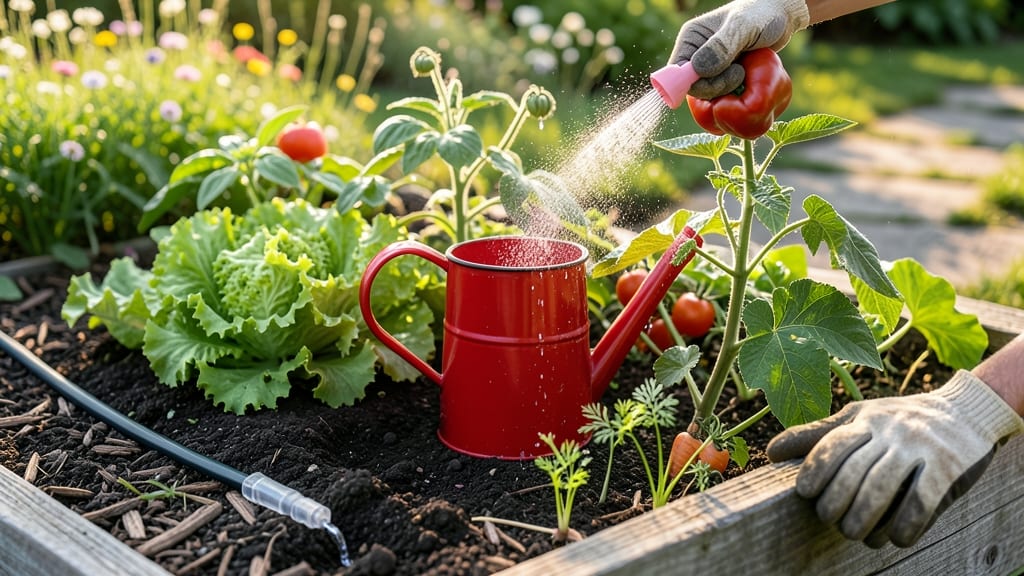
To water a vegetable garden properly, you need 10 to 30 minutes per session—depending on soil type, plant needs, and weather—but guessing gets it wrong every time.
Overwatering kills plants faster than drought, yet most gardeners eyeball their hoses instead of checking soil moisture. That’s why I stopped guessing and started testing—because a 5-minute finger check can save your tomatoes from rot or your carrots from splitting.
Leafy greens like spinach need frequent, shallow drinks, while root crops like carrots thrive with deep, infrequent watering. The key? Understanding your soil’s thirst level and adjusting for heat waves or cloudy days.
In this guide, I’ll show you the exact soil-moisture tests to nail your watering duration, plus how to tweak for different veggies and seasons—so you never waste water or wilt your plants again.
Soil-moisture tests to determine perfect watering duration
Figuring out how long to water your vegetable garden isn't about time spent—it's about soil moisture levels. Too much water drowns roots, while too little stunts growth. The key is testing soil dryness before watering, not following a rigid schedule.
I've tested three foolproof methods in my garden that work for both leafy greens and root vegetables alike.
Start with the simplest test: the finger test. Stick your index finger 1-2 inches into the soil near your plants. If it feels dry at that depth, it's time to water.
For sandy soil, check deeper (3 inches) since it drains faster. This method costs nothing and gives instant results—perfect for beginners who want to avoid guesswork.
For precise measurements, invest in a moisture meter. These digital tools show exact moisture percentages, helping you water only when needed. I use mine for water-intensive crops like tomatoes and peppers, where overwatering causes blossom end rot.
Most meters cost under $20 and save gallons of wasted water over a season.
Don't overlook visual soil cues. Healthy soil has a dark, crumbly texture when moist but shouldn't be soggy. Look for cracked soil between plants—this indicates it's time to water. For container gardens, lift pots to check weight; dry pots feel noticeably lighter than moist ones.
For root vegetables like carrots and potatoes, aim for deep watering sessions every 3-4 days. Water until moisture reaches 6-8 inches deep—this encourages roots to grow downward. My drip irrigation system delivers consistent deep watering without surface runoff, which is crucial for sandy or rocky soils.
Leafy greens such as lettuce and spinach need shallow but frequent watering. Water lightly every 1-2 days, keeping the top 1-2 inches of soil moist.
Overwatering these plants causes yellowing leaves, while underwatering leads to bitter flavors. I've found that mulching with straw helps maintain even moisture levels between waterings.
Adjust your watering duration based on weather conditions. During hot summer days, my garden needs 30-40% more water than on cooler days. Always water in the early morning to reduce evaporation and fungal risks. Avoid evening watering, as damp leaves overnight encourage diseases like powdery mildew.
Pro tip: Group plants with similar water needs together. For example, place tomatoes and peppers near each other since they both need deep watering, while radishes and lettuce can share a zone with lighter watering needs. This zoning makes irrigation more efficient and reduces waste.
Remember, perfect watering duration varies by season. In spring and fall, I water 20-30% less than in summer. Always check soil moisture before watering—your plants will thank you with healthier growth and bigger harvests.
Watering duration by vegetable type: root vs. leafy needs
Not all vegetables crave the same watering routine—what works for leafy greens like lettuce can drown root vegetables such as carrots. Understanding these differences saves time, water, and your plants.
Leafy vegetables need frequent, shallow watering to keep their tender leaves hydrated, while root crops thrive with deep, infrequent watering to encourage downward growth.
For flowering plants like tomatoes or peppers, the approach balances both—deep watering that reaches the roots while maintaining consistent moisture. The key is matching your watering duration to the plant's growth habits and soil type.
Sandy soils drain faster, requiring shorter but more frequent watering, while clay holds moisture longer, allowing for deeper, less frequent sessions.
Here’s how to tailor your watering schedule by plant type for optimal results:
Leafy greens like spinach or kale need consistent moisture to prevent bolting (premature flowering). Water them for 5-10 minutes daily or every other day, focusing on the soil surface.
This encourages shallow root growth and keeps the leaves crisp. Use a gentle spray or drip irrigation to avoid damaging delicate foliage.
Root vegetables, such as carrots or potatoes, demand a different strategy. Deep watering—15-20 minutes every 2-3 days—encourages roots to grow downward rather than spreading out.
This prevents forking in carrots and ensures potatoes develop properly. Test soil moisture by sticking your finger 2 inches deep; if dry, it’s time to water.
For flowering plants like tomatoes, balance is key. Water for 10-15 minutes every 2-3 days, aiming to soak the soil 4-6 inches deep. This supports both fruit production and root health.
Avoid wetting the leaves to prevent fungal diseases like blight. Mulching around the base helps retain moisture and regulate soil temperature.
Herbs often fall into the leafy category but can handle slightly less frequent watering. Basil and cilantro, for example, prefer 5-10 minutes of water every 1-2 days.
Overwatering can lead to root rot, so always check the top inch of soil before watering. Container-grown herbs may need more frequent watering due to faster drying.