
Tools
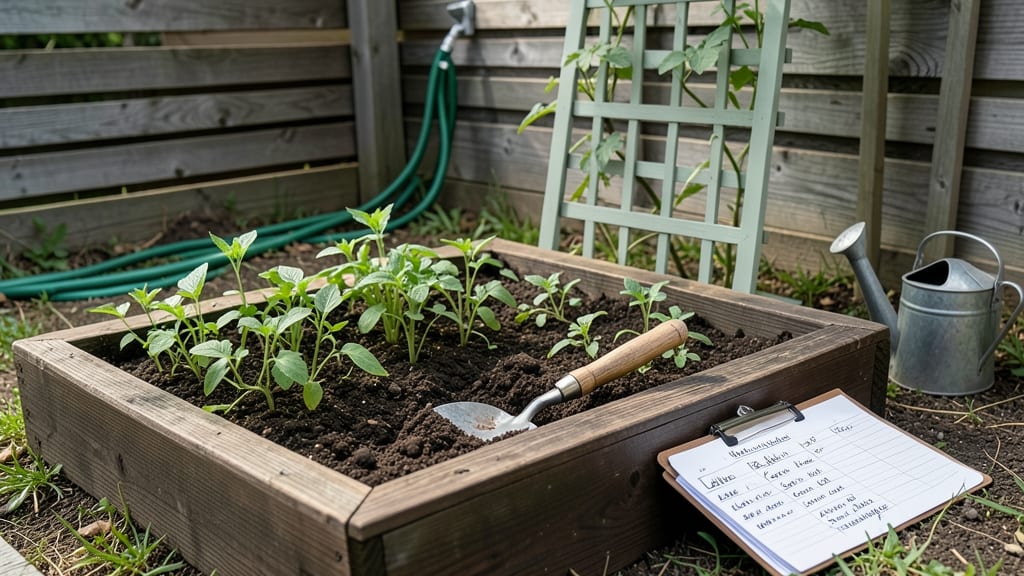
A market garden is a small-scale farming operation that grows fresh produce like vegetables, herbs, and fruits for local markets, restaurants, or direct sales. It focuses on high-value crops, intensive land use, and quick turnover to maximize profits on limited space.
A market garden thrives on diversity and efficiency, unlike large-scale farms that often specialize in single crops. 🌱 These operations typically cultivate 20-30 different varieties on just a few acres, using techniques like succession planting to keep harvests flowing year-round.
The real advantage? Ultra-fresh produce with minimal transportation time, which commands higher prices at farmers' markets or through CSA programs. Many market gardeners also integrate pest control methods like companion planting, reducing the need for chemicals while maintaining yield quality.
What sets them apart is their business model—direct sales to consumers or local chefs eliminate middlemen, boosting profitability. For example, a well-managed market garden might earn $50,000/acre compared to $5,000/acre for conventional row crops.
The trade-off? Higher labor demands and tighter margins during off-seasons, which is why many diversify with value-added products like jams or microgreens to smooth cash flow.
💡 In This Article
- Key Characteristics of Market Garden Farming
- Starting a Market Garden: Essential Steps and Considerations
Key characteristics of market garden farming
Market gardens operate on a fundamentally different principle than large-scale farms: they prioritize crop diversity over monoculture. While conventional farms might dedicate acres to a single crop like corn or soybeans, a market garden typically grows 20-50 different varieties on just 1-5 acres.
This diversity isn't just about variety—it's a strategic response to market demand.
Leafy greens like kale and spinach, high-value herbs such as basil and cilantro, and seasonal favorites like cherry tomatoes and zucchini dominate because they sell quickly at premium prices. 🌿 The science behind this is simple: diverse crops reduce risk by spreading out potential failures (pests, weather) and create a steady revenue stream from different harvest cycles.
The labor intensity of market gardening is what makes it viable on small plots. Unlike mechanized large farms, market gardens rely on hand-weeding, hand-harvesting, and intensive planting schedules.
For example, a single market gardener might spend 4-6 hours daily weeding and thinning crops like carrots or beets—tasks that would take minutes per acre on a mechanized farm. This hands-on approach allows for succession planting, where crops are sown every 2-3 weeks to ensure continuous harvests. The payoff?
Freshness. Produce travels less than 100 miles from farm to table, preserving nutrients and flavor that degrade during long transportation.
Seasonal adaptation is another defining feature. Market gardens often use season extension techniques like cold frames, row covers, and greenhouses to produce crops outside their natural growing season.
For instance, strawberries can be harvested in early spring under protective netting, while winter squash might be stored in cool, dark conditions to last until late winter.
This ability to stretch the growing season by 2-3 months on either end creates a competitive edge in local markets where consumers crave fresh produce year-round. The trade-off? Higher upfront costs for infrastructure, but the revenue from extended sales seasons often justifies the investment.
Direct sales to consumers or restaurants eliminate the middleman, which is where market gardens truly shine financially. A study by the USDA found that direct-to-consumer sales can generate 2-3 times more revenue per acre than wholesale markets.
For example, a single crate of heirloom tomatoes might sell for $25 at a farmers' market versus $5 wholesale. This model also reduces waste—produce is harvested at peak ripeness and sold immediately, unlike large farms that may lose 30-40% of crops to spoilage during transportation and storage.
The sensory appeal matters too: customers pay a premium for the vibrant colors, crisp textures, and complex flavors that come from freshly harvested produce.
Pest and disease management takes a different approach in market gardens. Instead of relying on broad-spectrum pesticides, gardeners use companion planting (like marigolds with tomatoes to repel nematodes) and crop rotation to disrupt pest life cycles. For instance, planting basil near peppers can improve growth while deterring aphids.
This method isn't just eco-friendly—it's cost-effective. Organic market gardens can achieve similar yields to conventional farms while meeting the growing demand for pesticide-free produce. The sensory reward? Visitors to market gardens often comment on the richer aromas and sweeter flavors of organically grown crops, which translates directly to higher sales.
Consider the case of a 1-acre market garden in upstate New York that supplies a local CSA (Community Supported Agriculture) program. By growing 30 different crops in 4-foot-wide beds, the gardener achieves double the yield per acre compared to traditional row cropping. The secret?
Using biointensive techniques like deep soil preparation and close plant spacing. This same plot might produce 20,000 pounds of vegetables annually, enough to feed 500 families weekly while generating $120,000 in revenue—a 240% return on land value compared to conventional farming.
What most people don't realize is how market gardens adapt to urban spaces. In cities like Detroit, micro-market gardens thrive in vacant lots, using raised beds and hydroponics to grow high-value crops like microgreens and herbs.
These urban gardens can produce up to 10 times more food per square foot than traditional farms by leveraging vertical growing techniques.
The sensory experience of picking fresh herbs or salad greens just blocks from home is unmatched—it's this connection that drives the movement's popularity among young farmers and food enthusiasts alike. 💫