
Tools
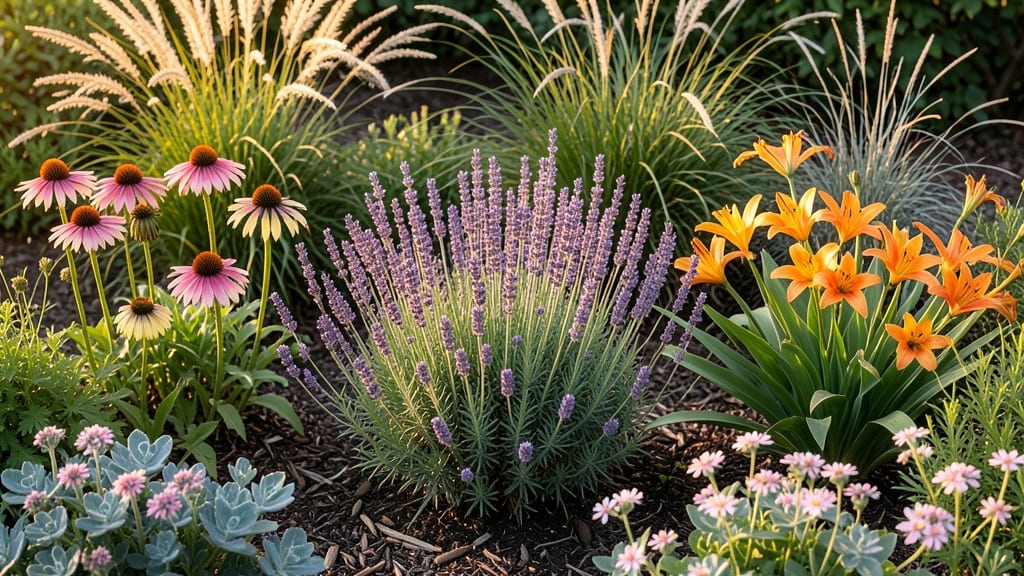
The best place for a garden starts with sunlight, soil, and your local climate—three factors that can turn a patch of dirt into a thriving oasis or a frustrating disappointment.
Picture this: you’ve spent hours prepping beds, only to watch your plants wilt under the wrong conditions. That’s why knowing your USDA zone and sunlight needs is the game-changer between a bountiful harvest and a wasted effort.
From urban balconies to rural plots, the ideal spot depends on whether your plants crave full sun, partial shade, or deep shade. I’ll break down how to match your location to the right crops and even show you how to hack microclimates for extra growing power.
Ready to pick the perfect spot? You’ll learn how to read sunlight maps, adjust for your zone, and design a garden that works as hard as you do—no guesswork required.
How sunlight requirements vary by USDA Zone for optimal plant growth
Choosing the right spot for your garden starts with understanding how sunlight exposure changes across USDA hardiness zones. While a tomato plant in Zone 10 thrives with 8+ hours of sun, the same plant in Zone 4 may need partial shade to avoid scorching.
Each zone has unique sunlight patterns due to climate, latitude, and seasonal shifts.
Before selecting a garden location, check your USDA zone map and observe your yard’s sunlight patterns for at least a week. Use a sunlight exposure map or app to track how sunlight shifts throughout the day—this helps you identify microclimates where certain plants will excel.
For example, a north-facing area in Zone 7 might get only 3-4 hours of sun, perfect for hostas or ferns.
Here’s how sunlight needs break down by zone, including ideal crops for each exposure type:
| USDA Zone | Sunlight Type | Hours Needed | Best Crops | Notes |
|---|---|---|---|---|
| Zones 1-3 | Full Sun (6+ hrs) | 6-8 hrs | Potatoes, kale, rhubarb | Short growing season; prioritize cold-hardy plants. |
| Zones 4-6 | Full Sun (6+ hrs) | 6-8 hrs | Tomatoes, peppers, beans | Longer days in summer; use row covers for early/late season. |
| Zones 7-9 | Full Sun (6+ hrs) | 8+ hrs | Okra, sweet potatoes, basil | Hot summers; provide afternoon shade for heat-sensitive plants. |
| Zones 10-12 | Partial Shade (3-6 hrs) | 3-6 hrs | Citrus, avocado, lettuce | Intense sun; dappled shade protects leaves from burning. |
| All Zones | Full Shade (<3 hrs) | <3 hrs | Hostas, ferns, impatiens | Best for under trees or north-facing walls. |
In Zones 1-3, where winters are harsh, focus on cold-tolerant crops like kale or cabbage, which thrive in full sun but can handle early frost. These zones often have shorter daylight hours in winter, so maximize sunlight exposure during the growing season (May-September).
For Zones 4-6, the key is balancing sun exposure with heat tolerance. Plants like tomatoes and peppers need 6-8 hours of sun, but afternoon shade can prevent wilting in peak summer. Use reflective mulch or light-colored containers to reduce soil heat.
In warmer Zones 7-9, full sun becomes critical, but afternoon shade is a lifesaver. For example, okra and sweet potatoes love heat, but their leaves can scorch without protection. Try planting tall crops like sunflowers on the north side of your garden to provide natural shade for shorter plants.
Zones 10-12 present unique challenges: intense sunlight and high humidity. Many tropical plants, like citrus or avocado, prefer partial shade to avoid leaf burn. Use lattice screens or cloth shade cloth (30-50% coverage) to filter sunlight while maintaining airflow.
To maximize your garden’s potential, use a sunlight exposure map to plot your yard’s light patterns. Walk your property at solar noon (around 12 PM) to identify shadows cast by trees, fences, or buildings.
Adjust your garden layout by placing sun-loving plants in the sunniest spots and shade-tolerant varieties in cooler areas.
Pro tip: Group plants with similar sunlight needs together. For example, pair basil and zucchini (both need 6+ hours of sun) in one bed, while lettuce and spinach (tolerate partial shade) can share another. This companion planting strategy saves space and reduces watering hassles.
Remember, even the best place for a garden can change with seasons. Monitor your plants’ growth and adjust as needed—what works in June might need tweaking by August. With the right sunlight strategy, your garden will flourish no matter your USDA zone!
Top 5 microclimates for gardens in different USDA Zones
Finding the perfect garden spot often means looking beyond your yard's main climate. Microclimates—small areas with unique conditions—can dramatically improve your garden's success. Whether you're in USDA Zone 3 or Zone 10, these localized environments offer tailored advantages for sunlight, temperature, and wind protection.
For example, a south-facing slope in Zone 5 gets extra warmth, while an urban balcony in Zone 9 might need reflective surfaces to maximize light. Let's explore the top 5 microclimates that work best in specific zones and how to leverage them for a thriving garden.
Warmer, drier soil; ideal for drought-tolerant plants like lavender and rosemary.
Cooler nights, higher humidity; perfect for shade-loving plants like ferns and hostas.
Use reflective surfaces and containers; great for herbs and peppers with 4+ hours of sun.
Creates a "sun trap" for early spring warmth; ideal for cold-hardy veggies like spinach.
Holds warmth longer; perfect for tropical plants like bananas and citrus in cooler evenings.
In Zones 4-8, south-facing slopes are goldmines for sun-loving plants. The angle of the sun creates a warmer microclimate that extends your growing season. I've seen tomatoes and peppers thrive here when they'd struggle just 10 feet away.
Test your slope by planting marigolds—if they bloom vigorously, it's prime real estate.
For urban gardeners in Zones 7-11, balconies can become productive spaces with the right setup. Use light-colored containers to reflect heat and self-watering systems to prevent drying.
My herb garden on a west-facing balcony in Zone 9 produces basil year-round because the afternoon sun keeps it warm even in winter.
Wind exposure is the silent killer of many gardens. In open areas like Zone 5 or Zone 6, plant a windbreak hedge—like arborvitae or privet—to protect delicate plants.
I once lost an entire row of zucchini to wind damage until I added a living fence. The difference was night and day!
Don't overlook microclimates in shade. Under large trees or buildings, you can grow shade-tolerant veggies like lettuce or green onions. Just ensure the soil stays moist—shady spots dry out slower but can become waterlogged.
A 5-gallon bucket with drainage holes works wonders for controlling moisture in these areas.
Pro tip: Use a sunlight tracker for a week to map your yard's microclimates. Note where morning sun lingers vs. afternoon shade. This simple step will help you place heat-loving plants like eggplants in the hottest spots and cool-season crops like kale where they'll thrive without bolting.