
Tools
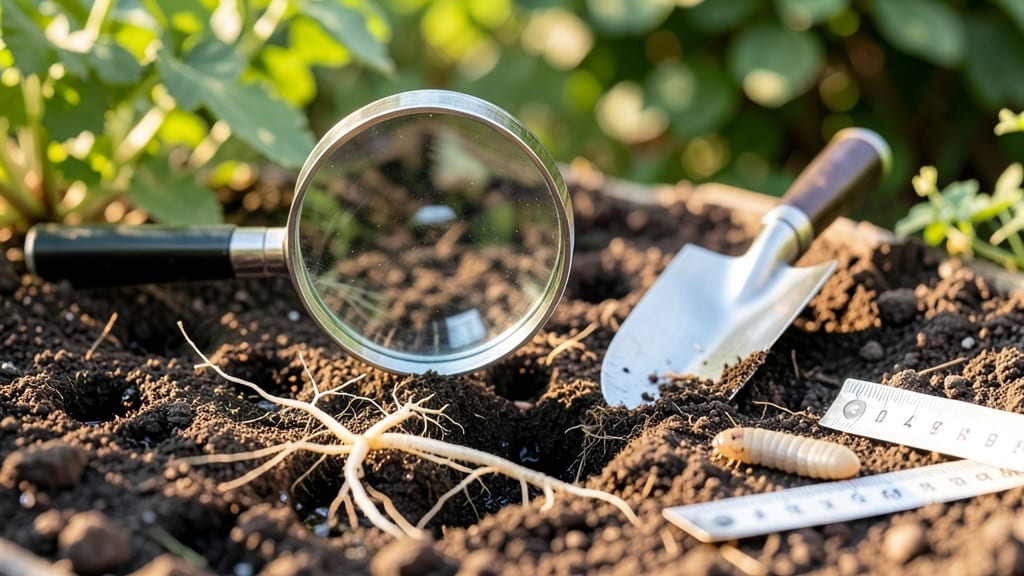
Small holes in garden soil usually appear from insect activity, organic matter breaking down, or erosion, but they can also indicate drainage problems or plant root expansion. Pinpointing the source—whether from earthworms, grubs, or fungal decay—determines if you should aerate, adjust soil composition, or add mulch for lasting solutions.
Those tiny craters in your garden aren't just random—they're often a sign of underground activity or environmental shifts. 🔥 For example, earthworms create vertical tunnels that collapse when disturbed, while fungal decay leaves behind spongy, hollowed-out areas.
The key is observing whether holes appear in clusters or randomly, as this can reveal whether you're dealing with pests or natural soil processes. If you notice plants struggling nearby, it might signal deeper issues like poor drainage or compacted soil that need professional attention.
Don't overlook the seasonal patterns either—spring often brings increased insect activity, while summer drought can cause soil to crack and crumble. Testing your soil's pH and organic content can help you choose the right amendments, whether that's compost for fungal issues or sand to improve drainage.
The goal is to restore balance without harming beneficial organisms already living in your soil.
💡 In This Article
- Identifying Causes of Small Soil Holes
- Natural and Chemical Fixes for Soil Hole Repair
Identifying causes of small soil holes
Earthworms are the most common culprits behind small soil holes, as their burrowing creates vertical tunnels that often collapse when disturbed. These holes typically measure 1/4 to 1/2 inch in diameter and appear randomly across the garden.
The key visual clue is the presence of worm castings (small, dark, crumbly deposits) around the hole openings. Earthworms thrive in moist, well-drained soil, so you'll notice more activity after rainfall or in shaded areas where humidity remains high.
Insect larvae, particularly grubs from beetles or flies, create holes with a distinct 0.5 to 1-inch diameter and often leave behind a slightly raised, chewed soil rim. Unlike earthworm holes, these tend to appear in clusters and may be accompanied by wilting plants, as larvae feed on roots.
Fungal activity, such as from mushrooms or mycorrhizal networks, produces holes with a spongy, hollowed texture—these often appear in damp, organic-rich soil and may release a faint earthy aroma when disturbed.
Seasonal patterns provide critical clues: spring brings increased grub activity, while summer drought causes soil to crack and form 1/8-inch to 1/4-inch holes as it contracts.
Root growth from plants like dandelions or clover creates holes with a fibrous texture, often accompanied by small, white root fragments. 🌱 The most concerning sign is persistent holes paired with poor plant health, which may indicate compacted soil or drainage issues requiring professional soil testing.
Soil texture changes also reveal the cause: sandy soil with holes often points to erosion or poor organic matter, while clay-heavy soil with holes suggests fungal decay or root expansion.
For example, fungal holes in clay soil may appear darker due to moisture retention, whereas sandy soil holes will look lighter and more granular. Observing these details helps you target solutions—like compost for fungal issues or aeration for compacted soil.
Consider the depth of holes too: shallow holes (1/2 inch deep) usually mean insect activity, while deeper holes (up to 2 inches) suggest root growth or earthworm tunnels.
If you find holes with a glossy, almost varnished appearance, this could indicate fungal decay or the presence of slime-producing organisms like nematodes, which thrive in overly moist conditions.
Finally, check for secondary signs: yellowing grass or plants near holes often signals root damage from grubs, while healthy-looking plants near holes suggest earthworm activity.
The presence of small, winged insects near the soil surface in late afternoon confirms larval activity. 🐛 These visual and environmental cues help you diagnose the root cause before applying fixes.