
Watering
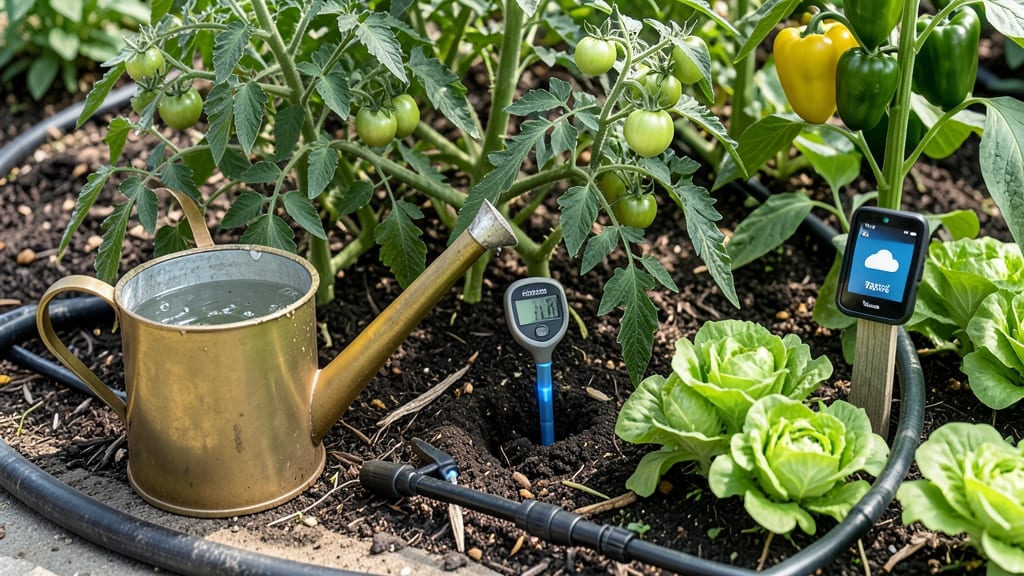
Watering your vegetable garden every day might seem like the safest bet, but it’s actually one of the biggest mistakes gardeners make—especially in USDA Zone 6a where spring rains can’t always be counted on.
Overwatering your 🥬 vegetable garden wastes precious resources and can actually kill your plants—but underwatering stunts growth and reduces yield. The right balance isn’t just about frequency; it’s about when, how much, and what you’re growing.
Leafy greens like lettuce need consistent moisture, while root crops such as carrots thrive with deeper, less frequent watering. Then there’s the soil: clay holds water longer than sandy loam, and mulch can cut evaporation by 50%—meaning your daily routine might be overkill.
Below, I break down the exact watering schedule by plant type, how to spot over- or underwatering, and the three hacks that’ll save you time, water, and frustration.
The ideal daily watering schedule for vegetable gardens (by plant type)
Not all vegetables need daily watering—and in fact, daily watering can drown root crops like carrots and beets. The key is understanding your plants’ root depth and water needs.
Leafy greens like spinach thrive with frequent moisture, while tomatoes prefer deep, infrequent watering. Let’s break it down by plant type so you water smartly, not blindly.
Soil moisture is your best guide. Stick your finger 1-2 inches deep—if it feels dry, water. If damp, wait. This method saves water and prevents root rot from soggy soil.
The morning is ideal because it reduces evaporation and fungal risks. Avoid evening watering, which can leave foliage damp overnight.
Leafy greens (spinach, lettuce, kale) need consistent moisture to stay tender. Water them every 1-2 days in hot weather, but reduce to every 3-4 days in cooler months. Overwatering causes bolting (premature flowering), so let the top inch dry slightly between waterings.
Root crops (carrots, radishes, potatoes) hate soggy soil. Water them every 2-3 days but deeply—1 inch per week is plenty. Overwatering leads to forked roots or rot. Mulch heavily to keep moisture steady without drowning them.
Fruiting plants (tomatoes, peppers, cucumbers) need deep watering every 2-3 days to develop sweet fruit. Shallow watering stresses roots and causes blossom end rot. Aim for 1.5 inches of water per week, delivered slowly at the base.
| Plant Type | Watering Frequency | Soil Moisture Goal | Best Time to Water | Key Risks |
|---|---|---|---|---|
| Leafy Greens (lettuce, spinach, kale) | Every 1-2 days (hot weather) | Top 1 inch moist | Morning (6-9 AM) | Bolting, yellowing leaves |
| Root Crops (carrots, beets, radishes) | Every 2-3 days (deep water) | Top 2 inches dry | Early morning | Forked roots, rot |
| Fruiting Plants (tomatoes, peppers, cucumbers) | Every 2-3 days (deep soak) | 1.5 inches per week | Morning or late afternoon | Blossom end rot, cracked fruit |
| Herbs (basil, cilantro, parsley) | Every 2-3 days (light water) | Top 1 inch slightly dry | Morning | Wilting, bitter flavor |
Adjust your schedule based on weather and soil type. Sandy soil drains fast—water more often but less deeply. Clay soil holds moisture longer—water deeply but less frequently. A rain gauge helps track natural water input, so you don’t overcompensate.
Mulching with straw or wood chips cuts water use by 30% by locking in moisture. Apply a 2-3 inch layer around plants (but keep it away from stems to prevent rot). This is especially critical in hot, dry climates where evaporation is high.
Signs of overwatering include yellowing leaves, mold on soil, or plants that wilt despite wet soil. Underwatering causes crispy edges, drooping leaves, and stunted growth. Check the soil—if it’s clumpy and smells sour, you’re overdoing it. If it’s bone-dry 2 inches down, it’s time to water.
Start with this schedule, then adjust as you observe your plants. A well-watered garden is efficient, productive, and stress-free for both you and your crops. Happy growing! 🌱
5 Signs you’re overwatering (or underwatering) your garden—and how to fix it
Your vegetable garden thrives on the right balance of moisture—too much or too little can spell disaster. Yellowing leaves or mushy stems often signal overwatering, while crispy edges or drooping foliage scream underwatering.
The key is learning to read your plants and soil, not just following a rigid schedule. I’ve seen even experienced gardeners overlook these subtle clues, leading to wasted water or stunted crops.
Start by checking the soil moisture 1-2 inches below the surface. Stick your finger in—the soil should feel damp but not soggy. If it’s drenched, you’re likely overwatering.
For underwatering, the soil will feel bone-dry, and plants may wilt even after watering. These simple tests save time and resources while keeping your garden healthy.
⚠️ Warning: Daily Watering Isn’t Always the Answer
Watering your vegetable garden every day can drown roots, especially in clay-heavy soil or containers. Instead, aim for deep watering 2-3 times per week, adjusting for rainfall and plant type. Leafy greens like spinach tolerate more frequent moisture, while root crops like carrots need even, consistent hydration to avoid splitting.
Watch for leaf curl or spongy stems, classic signs of overwatering. These issues often appear alongside fungal diseases like powdery mildew or root rot. If you spot these, reduce watering immediately and improve drainage by adding organic matter like compost or perlite.
For underwatering, wilting leaves that don’t recover after watering or dry, brittle stems are red flags.
Tomatoes and peppers are particularly sensitive to watering mistakes. Blossom-end rot in tomatoes often stems from inconsistent moisture, while peppers may drop fruit if they’re thirsty.
Adjust your routine by watering deeply in the morning and mulching to retain moisture. This mimics natural rainfall patterns and keeps roots happy without overdoing it.
Don’t forget to tailor your approach to your garden’s setup. Container gardens dry out faster and may need daily watering in hot weather, while raised beds retain moisture longer.
Use a moisture meter or the old-fashioned finger test to avoid guesswork. When in doubt, less is more—most vegetables prefer slightly dry soil to soggy conditions.
Correcting watering mistakes is easier than you think. For overwatered plants, let the soil dry out completely between waterings and consider repotting if roots are suffocating. Underwatered plants often bounce back with a good soak and a layer of mulch to lock in moisture.
With these adjustments, your garden will thrive without the guesswork.