
Landscaping
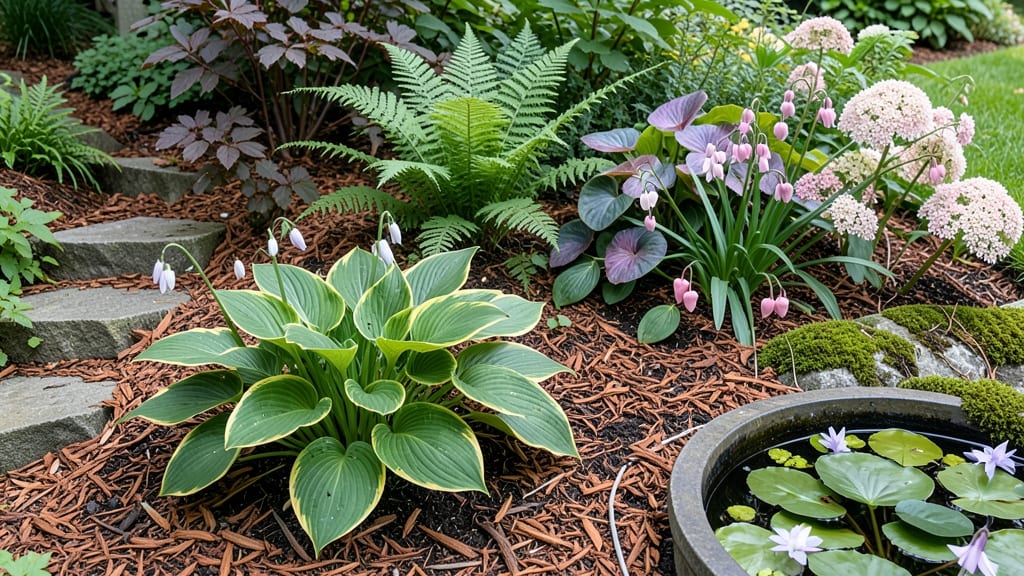
Zone 6 shade garden ideas can transform even the darkest corners of your yard into a lush, thriving retreat 🌱—without needing a single ray of direct sunlight.
Struggling to create a lush, vibrant garden in Zone 6’s shady spots? You don’t need full sun to cultivate a thriving oasis—just the right shade-loving plants and smart design tricks.
Many gardeners skip these areas entirely, but with the right approach, they can become the most serene and low-maintenance parts of your landscape.
In this guide, I’ll share 12 easy-care plants that flourish in deep or partial shade, plus layout tips to maximize space and create year-round interest.
Whether you’re dreaming of a woodland escape, a cottage-style charm, or a sleek modern look, these ideas will help you design a shade garden that feels intentional and effortless.
From hostas and ferns to ground covers and seasonal blooms, you’ll discover how to layer textures, play with colors, and keep your garden vibrant—even when the sun stays away. Let’s bring life to those shady corners!
 Best Window Placement
Top 12 low-maintenance shade plants for Zone 6 gardens
Zone 6 gardens often face challenging shade conditions that can leave many gardeners feeling stuck. The good news? Thriving shade gardens are absolutely possible with the right low-maintenance plants that love partial to full shade.
Whether you're dealing with a woodland understory or a north-facing patio, these hardy perennials, ferns, and ground covers will bring life to your darkest corners without demanding constant attention.
I’ve tested these top 12 shade-tolerant plants in my own Zone 6 garden, and they consistently deliver vibrant foliage, season-long interest, and minimal care requirements.
From drought-resistant hostas to elegant astilbes, each plant brings unique textures and colors to create a lush, layered shade garden that feels like a natural retreat.
Below, you’ll find a curated list of shade-loving stars, along with their care essentials and design tips to help you create a low-maintenance shade oasis that thrives year-round.
Let’s start with hostas, the queens of shade gardens. These drought-tolerant perennials come in a stunning array of leaf colors, from deep blues to vibrant greens with yellow edges.
In my garden, 'Blue Angel' and 'Halcyon' varieties thrive in full shade and require only weekly watering once established. Pair them with mulch to retain moisture and suppress weeds—this combo cuts maintenance time in half!
For height and drama, astilbes are unbeatable. Their feathery plumes bloom in pink, white, or red from early to mid-summer, adding vertical interest to shady borders.
I love 'Fanal' for its deep red blooms, which contrast beautifully with hosta foliage. Keep the soil moist but avoid soggy roots—well-draining soil is key for their longevity.
The Japanese painted fern brings del
Designing a stunning shade garden layout for Zone 6’s climate
A shade garden in Zone 6 doesn’t mean sacrificing beauty—it’s all about smart layering and plant selection. The key is creating depth with height variation, contrasting textures, and seasonal color to keep your garden vibrant year-round.
Start by assessing your shade levels: dappled shade (filtered light) vs. deep shade (minimal light) will dictate your plant choices and layout strategy.
Before planting, amend your soil to improve moisture retention, which is critical in shady areas. Mix in 2-3 inches of compost and a thick layer of mulch (like shredded bark) to suppress weeds and retain humidity.
In Zone 6, where summers can be hot and winters chilly, this prep work ensures your plants thrive without constant effort.
🌿 Styled List: Layering Techniques for a Dynamic Shade Garden
-
🌳 Tall Backdrop Layer (4-6 ft)
Use ornamental grasses (e.g., Hakonechloa) or tree ferns (e.g., Matteuccia struthiopteris) for vertical interest and filtered light.
-
🌿 Mid-Height Layer (2-3 ft)
Plant hostas (e.g., Hosta 'Blue Angel') or astilbes (e.g., Astilbe 'Fanal') for bold foliage and summer blooms.
-
🌱 Low Ground Cover (6-12 in)
Fill gaps with heucheras (e.g., Heuchera 'Palace Purple') or sweet woodruff (Galium odoratum) for year-round texture.
-
🌸 Seasonal Accents
Add spring bulbs (e.g., bleeding heart) and fall foliage (e.g., Japanese maple) for multi-season appeal.
For seasonal interest, incorporate plants that offer year-round color or texture. For example, evergreen ferns like Dryopteris erythrosora provide lush greenery in winter, while winter aconite (Eranthis hyemalis) blooms early to brighten gray days.
Group plants with similar water needs to simplify maintenance—most shade-loving plants prefer consistent moisture but dread soggy soil.
Don’t overlook container gardening for small spaces or renters. Use self-watering pots with moisture-retentive soil mixes (add perlite and peat moss) to grow impatiens or begonias on patios or balconies. This flexibility lets you experiment with color schemes (e.g., silver foliage paired with purple blooms) without permanent commitments.
Finally, prune strategically to encourage bushier growth and remove dead foliage. In late winter, trim back ornamental grasses and perennials to make room for new growth. This keeps your shade garden neat, healthy, and inviting with minimal upkeep.
With these layering techniques and seasonal strategies, your Zone 6 shade garden will be a low-effort, high-impact retreat—no sunlight required! 🌿