
Container Gardens
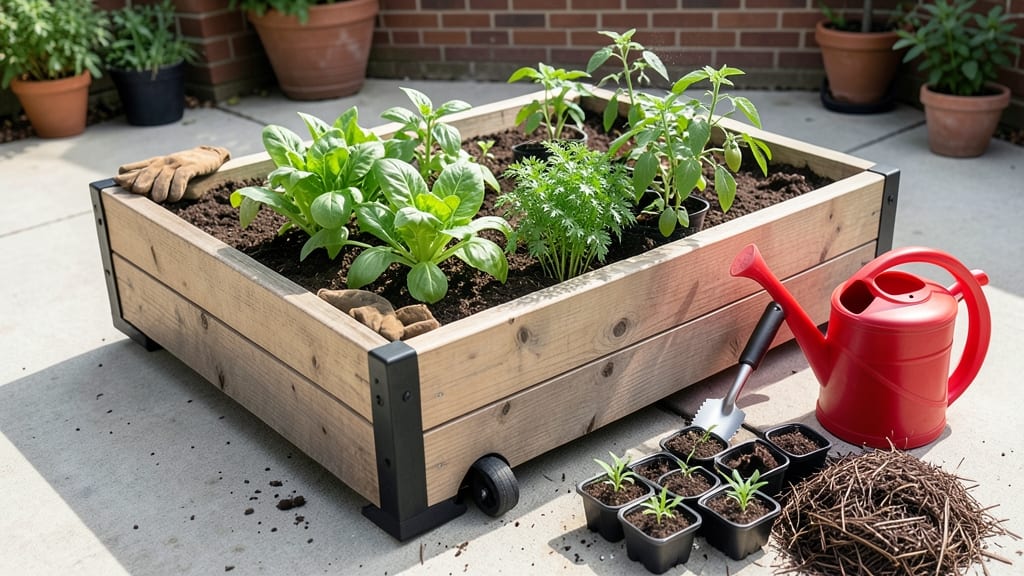
Portable raised garden beds transform your growing space into a flexible, year-round playground for plants 🌱—no more digging in, no more permanent footprints, just effortless mobility.
Tired of being tied to one spot in your garden? These lightweight wonders let you chase the sun, rotate crops, or even tuck them away when space gets tight.
Imagine moving your herbs to the patio for summer shade or rolling your tomatoes into a sunny corner as the seasons shift.
Whether you’re working with a tiny balcony, a crowded backyard, or just love the idea of swapping layouts on a whim, portable beds make it possible. They’re deeper than pots, lighter than concrete planters, and packed with features like built-in wheels or foldable sides for easy repositioning.
From choosing the right materials to maximizing your harvest in every season, this guide covers everything you need to turn your garden into a movable feast—without the backbreaking work.
Lightweight materials for portable raised garden beds: strength vs. mobility tradeoffs
When designing portable raised garden beds, the material you choose directly impacts how easily you can move them, how durable they are, and even how well your plants grow.
I’ve tested recycled plastic, composite wood, and aluminum frames—each offers unique benefits for mobility while balancing structural integrity. The key is finding the right balance between weight reduction and load-bearing capacity to support soil, plants, and seasonal wear.
For example, a 4x8-foot bed filled with soil and plants can weigh 800-1,200 pounds—far beyond what most lightweight materials can handle alone. That’s why I focus on material strength-to-weight ratios and real-world load tests.
Whether you’re growing heavy root crops like potatoes or delicate greens, your material must support both the soil and your mobility needs without compromising plant health.
Below, I break down the tradeoffs of the top three lightweight materials, including their weight limits, durability scores, and how they perform under load.
This comparison will help you decide which option aligns best with your garden layout and mobility goals—whether you’re rotating crops, chasing sunlight, or adapting to seasonal changes.
If you prioritize ease of movement, recycled plastic is my top pick. Its HDPE construction weighs just 15-25 pounds for a standard 4x8-foot bed while supporting up to 1,200 pounds of soil and plants.
The built-in wheels make it ideal for urban balconies or patio rotations, but it lacks the aesthetic appeal of wood. For a middle ground, composite wood blends the look of cedar with polymer reinforcements, reducing rot and splinters while adding 10-20 pounds to the total weight.
For small-space gardens where weight matters most, aluminum frames are a game-changer. They’re rust-proof and modular, allowing you to customize bed sizes. However, their 600-800-pound limit means you’ll need to monitor soil depth and avoid heavy crops like squash or pumpkins.
I’ve found that pairing aluminum with lightweight fabric liners can extend capacity while keeping mobility intact.
One common misconception is that lighter materials automatically mean weaker structures. In reality, the tradeoff lies in design reinforcements. For instance, aluminum beds often include cross-bracing or interlocking panels to distribute weight evenly.
Meanwhile, plastic beds use ribbed walls for stability. Always check for load-bearing certifications from manufacturers—some lightweight options may sag under 12" of wet soil.
Durability also varies by climate. In humid regions, recycled plastic resists mold and pests, while composite wood holds up better than untreated cedar in dry, sunny areas. Aluminum, though rust-resistant, can develop hot spots in direct sunlight, which may stress heat-sensitive plants like leafy greens.
To mitigate this, I recommend using shade cloth during peak afternoon sun or opting for powder-coated frames that reflect heat.
For heavy-rooted plants, like tomatoes or carrots, I’ve had the most success with composite wood beds reinforced with metal corner brackets. The extra weight provides stability, while the wood’s natural insulation keeps roots cooler in summer.
If you’re growing lightweight crops such as herbs or strawberries, aluminum or plastic beds offer the best mobility without sacrificing support.
Pro tip: Before committing to a material, conduct a soil weight test. Fill your empty bed with 12" of moist p
How to choose the perfect portable raised bed for your growing goals
Choosing the right portable raised bed depends entirely on your growing goals and available space. Whether you're cultivating herbs on a balcony or tomatoes in a patio corner, the right dimensions and mobility features make all the difference.
Start by asking yourself: Do I need seasonal mobility or just a lightweight, easy-to-move container?
For urban gardeners with limited space, compact beds (2' x 4') work perfectly for leafy greens or small herbs. Larger beds (4' x 8') suit vegetable varieties like tomatoes or peppers, but ensure they’re lightweight enough to move solo.
Always prioritize drainage holes and soil depth (at least 6-12 inches) for root growth.
- 🏡 Balcony/Urban: 2' x 4' beds with handles for easy lifting
- 🌿 Patio/Garden: 4' x 8' beds with wheels for seasonal rotation
- 🚜 Seasonal Rotation: Look for lightweight materials (aluminum, recycled plastic) and foldable designs
- 🌱 Herbs/Leafy Greens: 2' x 2' beds (shallow depth, high yield)
- 🍅 Tomatoes/Peppers: 4' x 4' beds (deeper soil, trellis support)
- 🥕 Root Veggies (Carrots, Radishes): 12"+ soil depth
- ⚙️ Wheels: Ideal for heavy beds (add locking brakes)
- 🖐️ Handles: Essential for lifting (ergonomic grips reduce strain)
- 🔄 Foldable Sides: Save space when not in use (great for small apartments)
Don’t overlook the material—it impacts both weight and durability. Aluminum frames are lightweight but may require reinforced corners, while recycled plastic beds resist rot but can trap heat. For heavy-duty use, consider powder-coated steel frames with wooden or composite panels.
Pro tip: Test your bed’s stability before planting. Fill it with water (not soil) to check for wobbling—this mimics the weight of saturated soil. If it tips, add corner braces or leveling feet. For windy areas, anchor the bed with ground stakes or sandbags.
Finally, think about long-term maintenance. Beds with removable liners make cleaning easier, while modular designs let you expand as your garden grows. Pair your bed with self-watering systems or drip irrigation to simplify care—especially if you’re moving it frequently.
With the right portable raised bed, you’ll enjoy the flexibility to rotate crops, optimize sunlight, and adapt to space changes without sacrificing productivity. Happy growing! 🌱