
Fertilization
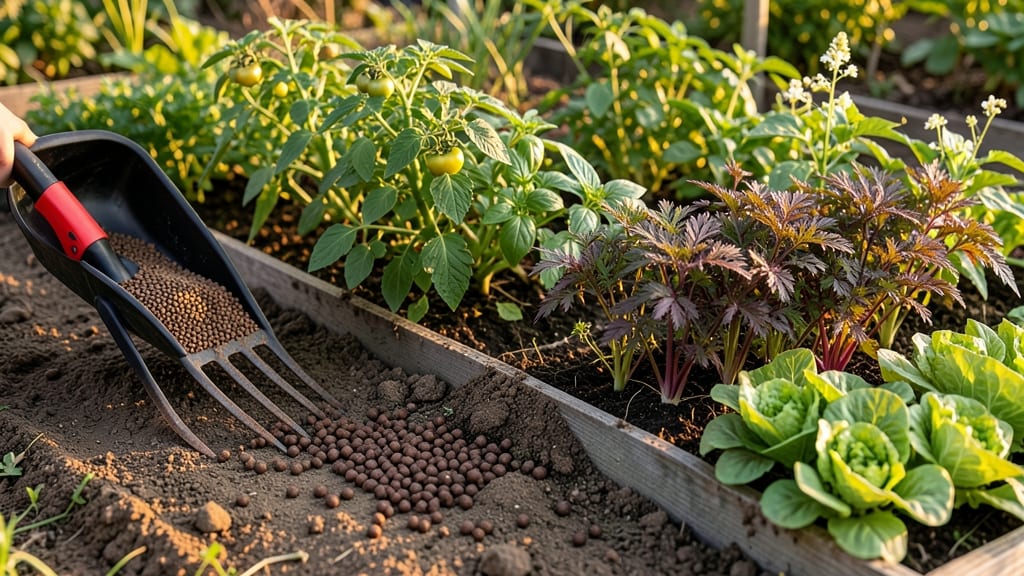
Fertilizing your garden at the right times is the key to lush growth and bountiful harvests—skipping or overdoing it can leave your 🌱 plants starving or burned.
Picture this: you’ve spent weeks tending to your garden, only to watch your tomatoes struggle or your flowers wilt despite your care. The culprit? Fertilizer timing. Too early, and nutrients sit idle; too late, and your plants miss their growth window.
The solution? A seasonal schedule that aligns with your soil’s needs and your plants’ life cycles.
In this guide, I’ll break down the best times to feed your garden—whether you’re nurturing spring seedlings, summer vegetables, or fall perennials—plus how to read your soil’s clues to avoid common mistakes like over-fertilizing or inviting pests.
By the end, you’ll know exactly when to reach for that bag of fertilizer (and when to leave it on the shelf) for a garden that thrives all year long.
Soil-test-based fertilizing schedule: month-by-month plant nutrition timeline
Fertilizing your garden isn’t a one-size-fits-all task—it’s a seasonal science that depends on soil test results, plant types, and your local climate zone. Whether you’re growing vegetables, flowers, or a lush lawn, timing matters more than you might think.
A soil test reveals exactly what nutrients your soil lacks, so you can feed your plants precisely when they need it most.
Cool climates (like USDA Zones 3-6) have different timing needs than warm climates (like Zones 7-10). For example, spring feeding in Zone 5 might start in April, while in Zone 9, it could begin as early as February.
Below, I’ll break down a month-by-month schedule tailored to your garden’s unique needs, so you can avoid over- or under-fertilizing.
| Month | Cool Climates (Zones 3-6) | Warm Climates (Zones 7-10) | Plant Types to Focus On | Soil Prep Tip |
|---|---|---|---|---|
| January | Test soil, plan amendments | Light feed for winter greens | Leafy greens, citrus | Add compost to beds |
| February | Prep soil with organic matter | Feed perennials lightly | Perennials, early bulbs | Apply slow-release fertilizer |
| March | First feed: balanced fertilizer (10-10-10) | Heavy feed for vegetables | Vegetables, spring flowers | Work in bone meal for phosphorus |
| April | Feed lawns and flowers | Side-dress corn and tomatoes | Tomatoes, peppers, roses | Use fish emulsion for nitrogen |
| May | Second feed: high-nitrogen for growth | Feed fruiting plants (peppers, squash) | Herbs, summer blooms | Mulch to retain moisture |
| June | Light feed for established plants | Avoid heavy feeding; focus on water | Lawns, drought-tolerant plants | Aerate lawns if compacted |
| July | Feed fall crops (kale, carrots) | Light feed for late-season blooms | Fall vegetables, late flowers | Add compost tea for microbes |
| August | Prep soil for fall planting | Stop fertilizing non-dormant plants | Bulbs, cover crops | Test soil again for pH adjustments |
| September | Light feed for winterizing plants | Feed winter greens (spinach, lettuce) | Garlic, onions, winter squash | Add kelp meal for trace minerals |
| October | No feeding; focus on mulching | Light feed for tender perennials | Tender perennials, citrus | <