
Advice
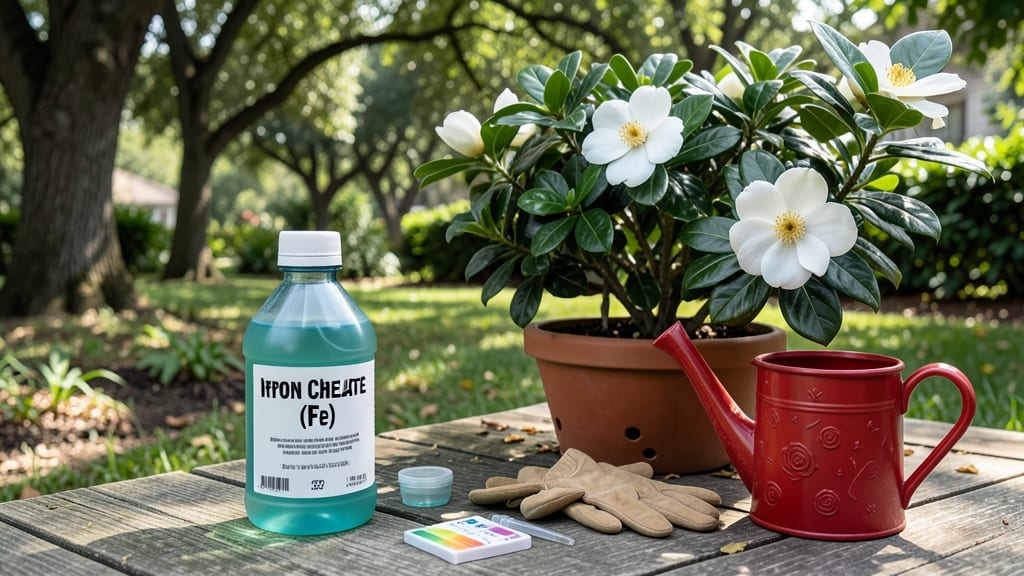
Gardenias need iron to thrive, and without it, those lush green leaves and fragrant blooms 🌸 turn into a sad, yellowing mess.
Struggling with yellowing leaves or sparse blooms on your gardenias? Iron deficiency could be the silent culprit—and fixing it might be simpler than you think.
Most gardeners assume iron deficiency is just a soil problem, but it’s really about pH balance. Gardenias hate alkaline soil, and when the pH creeps above 6.5, iron becomes locked away, leaving your plants starving even if you’ve added fertilizer.
In this guide, I’ll walk you through how to test your soil, pick the right iron source (organic or synthetic), and adjust your pH for vibrant blooms—no guesswork, just results.
How to test and correct iron deficiency in gardenias
If your gardenias are showing yellow leaves with green veins—a classic sign of iron chlorosis—you're not alone. This common issue stems from alkaline soil blocking iron uptake, even when plenty exists in the soil.
The good news? Testing and correcting it is straightforward with the right approach. Let’s diagnose the problem and restore your gardenias to their vibrant best.
Iron deficiency in gardenias often starts with young leaves turning pale yellow while veins stay green. Later, growth slows, and blooms become sparse. Since gardenias thrive in acidic soil (pH 5.0–6.5), even slightly alkaline conditions (above 7.0) can lock out iron.
The first step? Confirm the issue and check your soil’s pH before jumping to treatments.
Comparison Table: Iron Deficiency Symptoms vs. Other Issues
| Symptom | Iron Deficiency | Nitrogen Deficiency | Overwatering |
|---|---|---|---|
| Leaf Color | Yellow between veins (chlorosis) | Uniform pale yellow | Dark green, possible yellowing edges |
| Veins | Green | Yellow | Green |
| New Growth | Stunted, weak | Slow, small leaves | Wilting, drooping |
| Soil Test | pH > 7.0 | Any pH, low nitrogen | Soggy, compacted |
| Quick Fix | Chelated iron + sulfur | Balanced fertilizer (10-10-10) | Improve drainage |
To confirm iron deficiency, perform a simple soil pH test using a home kit (available at garden centers for under $10). Aim for a pH between 5.0 and 6.5—gardenias can’t access iron when soil pH rises above 7.0.
If your test shows alkalinity, don’t panic: elemental sulfur or peat moss can lower pH over time. For immediate results, pair pH adjustment with iron supplements.
For fast relief, chelated iron is the gold standard. Unlike basic iron sulfate (which can harm roots), chelated iron binds to iron molecules, making them plant-available even in alkaline soil.
Mix 1 teaspoon of chelated iron per gallon of water and apply as a foliar spray or soil drench every 2–4 weeks until leaves regain color. Look for products labeled for acid-loving plants, like Ironite or Sequestrene.
Organic gardeners can use iron sulfate (1 tablespoon per foot of plant height) or compost tea brewed with iron-rich ingredients like alfalfa pellets. While slower-acting, these methods improve soil health long-term.
Water thoroughly after application to help nutrients penetrate the root zone. Avoid overdoing it—too much iron can cause toxic brown leaf edges.
Prevent future deficiencies by mulching with pine needles or compost (both acidify soil gradually). Test soil pH annually in spring, and reapply chelated iron if chlorosis returns. With consistent care, your gardenias will reward you with glossy green leaves and fragrant blooms all season.
Remember: patience is key. Soil pH adjustments take time, but combining iron supplements with organic matter ensures lasting results. Keep an eye on your plants, and don’t hesitate to retest soil after 3–6 months to monitor progress.
🌿
Best organic vs synthetic iron sources for gardenias
When your gardenias show yellowing leaves with green veins, it’s usually a sign of iron deficiency. But not all iron sources work the same way.
Synthetic options like iron sulfate and chelated iron deliver quick results, while organic amendments like compost tea or fish emulsion build soil health over time. Let’s break down the best choices for your acid-loving gardenias.
Synthetic iron sources are fast-acting but can disrupt soil chemistry if overused. Organic options are gentler but require patience and consistency. The right choice depends on your soil pH, urgency of the problem, and long-term gardening goals.
For example, chelated iron is ideal for immediate fixes, while compost tea improves soil structure for future seasons.
Iron Source
Pros
Cons
- Fast-acting for chlorosis
- Affordable and widely available
- Works in acidic soils (pH 5.0-6.5)
- Can lower soil pH too much
- Risk of over-application (burns roots)
- Not long-term soil builder
- Immediate uptake by plant roots
- Safe for container gardenias
- Works in alkaline soils (unlike iron sulfate)
- More expensive than synthetic options
- Requires reapplication every 3-6 months
- Not an organic solution
- Easy to apply with watering
- Quick results for foliar sprays
- Good for potted gardenias
- Can leach out of soil
- Requires frequent applications
- Not soil-enriching
- Improves soil microbial life
- Slow-release iron nutrients
- Safe for organs and long-term health
- Slower results (2-4 weeks)
- Requires proper brewing to avoid pathogens
- Less effective in alkaline soils
- Rich in iron and nitrogen
- Boosts root and foliage growth
- Works well in acidic soils
- Strong odor (requires dilution)
- Can attract pests if overused