
How To
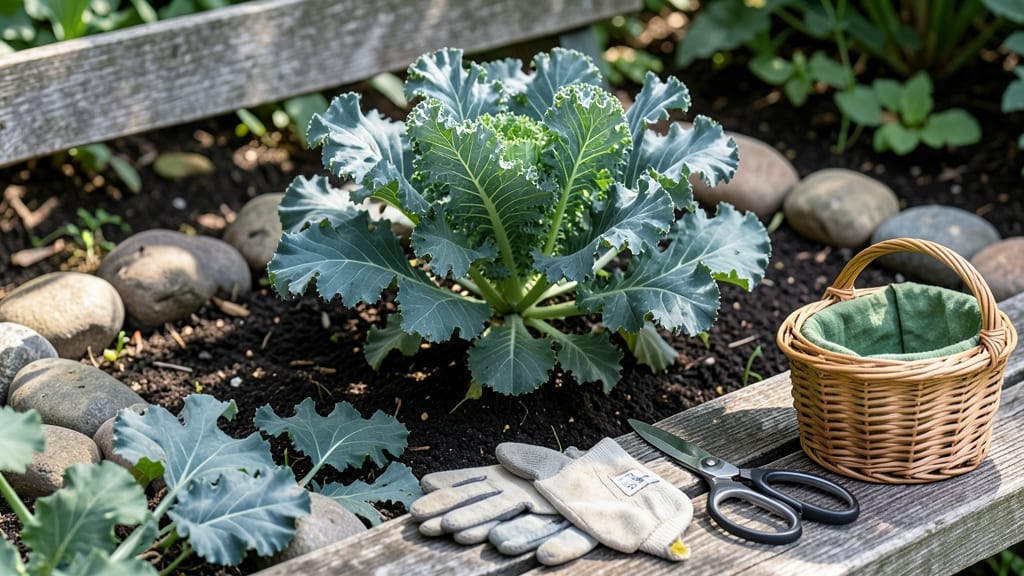
To pick kale from your garden properly, focus on harvesting outer leaves first while leaving the inner growth intact — this keeps your 🥬 kale producing for weeks.
Picture this: you’ve spent weeks nurturing your kale, only to pull a whole head and watch it bolt or wilt. That’s the fast track to disappointment — and wasted effort. The secret? A gentle, leaf-by-leaf approach that lets the plant recover and regrow.
Timing matters too. Harvest when leaves reach 6-12 inches, firm and dark green, but before they turn bitter or flower. In Zone 6a, that’s typically May-June and again in October-November for a second crop.
Below, I’ll walk you through the exact tools, techniques, and step-by-step methods to harvest without harming your plant. You’ll learn when to cut, how to avoid common mistakes, and even how to extend your kale’s harvest season.

When and how to harvest kale leaves for continuous regrowth
Kale thrives when you harvest it strategically—picking the right leaves at the right time ensures your plants keep producing for months. The key is to balance leaf removal with plant health, so your kale doesn't bolt or wilt.
I've learned that timing matters just as much as technique, especially in cooler climates where kale grows best.
Start harvesting when your kale plants reach 6-12 inches tall, typically 45-60 days after sowing. Look for dark green, crisp leaves that are at least 4-6 inches long. These are ready for harvest, while smaller or pale leaves need more time to mature.
The outer leaves are the first to reach this stage, making them perfect for your first cuts.
Now let's compare the two main harvesting methods to help you decide which works best for your garden's needs:
| Method | Best For | Regrowth Potential | Harvest Frequency | Tools Needed |
|---|---|---|---|---|
| Leaf-by-Leaf | Continuous harvests, home gardens, small spaces | High (80-90%) | Every 1-2 weeks | Clean scissors, pruning shears |
| Whole-Head | Bulk harvests, market sales, late-season cleanup | Low (20-30%) | Once per plant | Sharp knife, pruning saw |
The leaf-by-leaf method is my top recommendation for home gardeners. By carefully cutting individual leaves from the outer edges of the plant, you encourage the center to produce new growth.
Always leave at least half the leaves intact to maintain photosynthesis. I use clean scissors to make precise cuts just above a leaf's base, avoiding the main stem.
For year-round gardens, adjust your timing based on your climate. In USDA Zone 6a, I harvest spring kale from May to June and fall kale from October to November.
In warmer zones, focus on fall and winter harvests to avoid summer bolting. If you're growing kale in containers, harvest slightly more frequently since space is limited.
Never remove more than one-third of the plant in a single session, or you risk stunting future growth. I've seen kale plants recover beautifully when given proper care after harvest—just water deeply and fertilize lightly with a 5-10-10 NPK blend to support regrowth.
This keeps your plants productive for 6-8 months or even longer in ideal conditions.
Watch for signs of stress like yellowing leaves or slow regrowth, which may indicate over-harvesting or nutrient deficiencies. If you notice these, scale back on leaf removal and focus on soil health.
A thick layer of organic mulch helps retain moisture and nutrients, giving your kale the best chance to bounce back after harvest.
Pro tip: Harvest in the morning when leaves are crisp and full of moisture. This ensures the best flavor and texture for your recipes. Store harvested leaves in perforated bags in the fridge, where they'll stay fresh for 5-7 days.
With the right approach, your kale plants can provide continuous harvests all season long!
🥬
Step-by-step guide to leaf-by-leaf kale harvesting (with tools you need)
Harvesting kale leaf-by-leaf is the secret to a continuous supply of fresh greens without sacrificing your plant’s future growth. The key lies in selecting mature leaves while leaving the center crown intact.
This method encourages regrowth, giving you weeks of harvests from a single plant. Whether you're a beginner or seasoned gardener, mastering this technique ensures your kale stays productive all season long.
Before you begin, gather your harvesting tools—clean, sharp pruning shears or scissors, a pair of gardening gloves, and a bucket or basket for your harvest. Avoid using dull tools, as they can tear leaves and invite disease.
Work on a dry morning when leaves are crisp, reducing the risk of fungal issues. This preparation sets the stage for a smooth, efficient harvest.
How to Pick Kale From Garden: Step-by-Step
- 1 Identify mature leaves: Look for leaves that are 6-12 inches long, dark green, and fully crisp. Avoid leaves with yellowing edges or holes, as these may be damaged or diseased.
- 2 Hold the leaf firmly: Grip the outer stem of the leaf with your dominant hand, about 1-2 inches from the base. This gives you control and prevents accidental damage to younger leaves.
- 3 Cut at a 45-degree angle: Use your pruning shears to cut the leaf stem just above the next leaf. Angle the cut slightly to prevent water pooling and reduce disease risk.
- 4 Avoid the center crown: Never cut into the main stem or inner leaves. These are the plant’s growth engine. Focus on outer leaves to encourage new growth from the center.
- 5 Harvest 1-2 leaves per plant: Limit your harvest to 20-30% of the plant at a time. Over-harvesting stresses the plant and can stunt regrowth. Space harvests 1-2 weeks apart for optimal recovery.
- 6 Store leaves properly: Rinse harvested leaves with cool water to remove dirt, then pat dry. Store in a perforated plastic bag in the fridge for up to 5-7 days, or use immediately for the best texture.
After harvesting, give your kale plant a little post-harvest care to keep it thriving. Water the base deeply but gently to avoid disturbing the roots, and add a light layer of compost around the soil.
This replenishes nutrients and encourages new leaf growth. If you notice yellowing leaves after harvesting, it may signal nutrient deficiency—apply a balanced fertilizer like 5-10-10 to revive your plant.
One common mistake is harvesting too aggressively in hot weather, which can cause kale to bolt prematurely. Instead, focus on cool-season harvests (spring and fall) when temperatures are mild.
If you live in a warm climate, opt for shade-tolerant varieties like 'Winterbor' or 'Red Russian' to extend your harvest window. With the right technique, your kale plant can provide harvests for months, making it a rewarding addition to any garden.
Remember, the goal is to balance harvest and regrowth. By following these steps, you’ll enjoy a steady supply of fresh kale while keeping your plant healthy and productive. Happy harvesting! 🥬✂️