
Landscaping
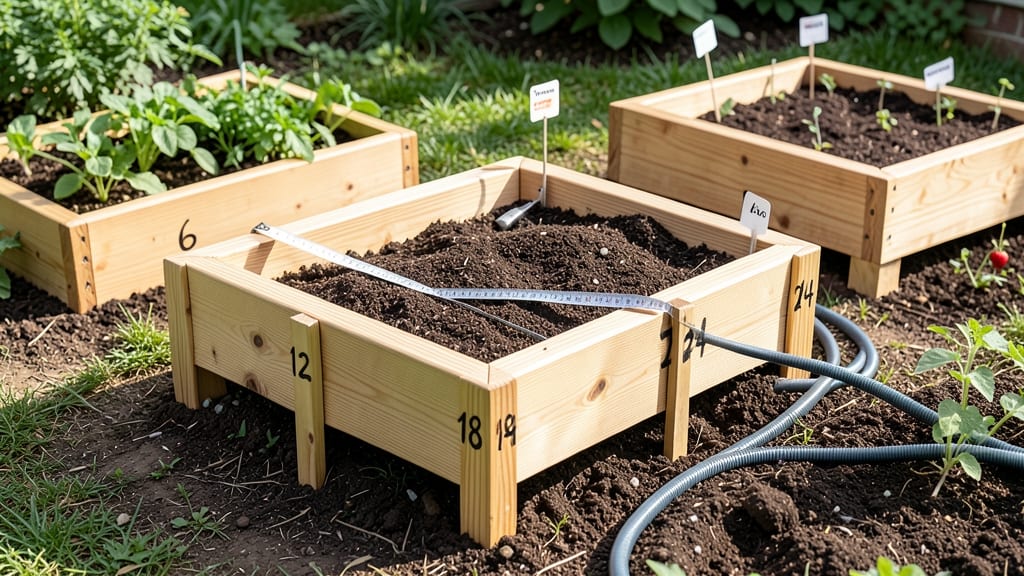
To make raised garden beds the right height, aim for 6–18 inches depending on your plants and comfort—too shallow and roots struggle, too tall and you’ll strain your back every time you reach in.
Picture this: You’ve spent hours building the perfect 🌱 raised garden bed, only to realize your tomatoes are crowding the edges because the soil depth isn’t deep enough. Or worse, your knees ache after just 10 minutes of weeding because the bed is waist-high and you’re hunched over.
The height of your raised bed isn’t just about aesthetics—it’s about drainage, root space, and how much you’ll actually enjoy gardening.
Most gardeners land on 10–12 inches as a sweet spot for vegetables and herbs, giving roots plenty of room while keeping the bed manageable. But if you’re growing deep-rooted crops like carrots or asparagus, you’ll want to push it to 18 inches.
And if accessibility is a concern—whether for kids, seniors, or wheelchair users—you might need to go even taller, up to 36 inches, with built-in seating.
Below, I’ll break down the exact heights for different plant types, how to balance drainage and soil quality, and the one ergonomic trick that saves my back every gardening season. No more guessing—just thriving plants and happy joints.


Optimal raised garden bed heights for root depth and plant types
Choosing the right height for your raised garden beds isn’t just about aesthetics—it directly impacts root growth, drainage efficiency, and even how easy it is to tend your plants.
A bed that’s too shallow will stunt deep-rooted vegetables, while one that’s too tall might dry out faster and become harder to maintain. Let’s break down the science behind ideal raised bed heights for different plant types and how to balance them with practical gardening needs.
Most gardeners start with a 6–12 inch soil depth for shallow-rooted plants like lettuce, herbs, and strawberries. But if you’re growing deep-rooted crops such as tomatoes, corn, or asparagus, you’ll need 12–18 inches of soil to accommodate their full growth potential.
The key is matching your bed height to the mature root systems of what you’re planting, while also considering your own comfort and the bed’s drainage capabilities.
Soil depth isn’t the only factor—bed height above ground also matters. A taller bed (like 12–18 inches high) makes weeding and harvesting easier, but it can dry out faster in hot climates. Meanwhile, shorter beds (6–10 inches high) retain moisture better but may require more frequent bending. We’ll explore how to strike that balance in the table below, tailored to your plant varieties.
🌱 Pro Tip: If you’re unsure about your soil depth, dig a test hole where you plan to place the bed. Measure how deep the native soil is before hitting rock or clay—this will help you determine how much extra soil to add when building your raised bed.
When planning your raised bed height, also consider the type of plants you’re growing. For example, strawberries thrive in beds with 8–12 inches of soil
How tall should raised beds be for accessibility, drainage, and soil quality?
Choosing the right height for your raised garden beds isn’t just about aesthetics—it directly impacts your comfort, plant health, and even how well water drains.
As someone who’s built beds from scratch, I’ve learned that 10–14 inches is the sweet spot for most gardeners, but taller options can make a huge difference for accessibility and deep-rooted plants like tomatoes or carrots. Let’s break down the key factors to consider when deciding on height.
The first thing to weigh is ergonomic accessibility. Standard beds at 10–14 inches allow you to garden without bending over too much, reducing back strain. If you’re in a wheelchair or have mobility challenges, beds that are 24–30 inches tall bring planting space to a more comfortable level.
I’ve seen how much easier gardening becomes when the bed height matches your needs—no more kneeling for hours!
Drainage is another critical factor tied to height. Taller beds (18+ inches) often drain faster than shorter ones, which can be a problem for moisture-loving plants like lettuce or basil.
On the flip side, deeper beds hold more water, which is great for drought-prone areas but requires careful monitoring to avoid root rot. The key is balancing depth with your local climate and plant types.
Soil quality also shifts with height. Deeper beds (12+ inches) let you layer in more organic matter like compost and topsoil, creating a richer growing environment. However, very tall beds (over 24 inches) can become costly and difficult to fill without compromising drainage.
I’ve found that 12–18 inches strikes the best balance for most home gardens, giving roots room to grow while keeping maintenance manageable.
Raised Garden Bed Height: Pros and Cons
10–14 Inches (Standard Height)
- ✅ Ergonomic: Reduces bending for most gardeners
- ✅ Cost-effective: Uses less material and soil
- ✅ Good drainage: Excess water escapes easily
- ✅ Versatile: Works for herbs, lettuce, and shallow-rooted veggies
Best for: Beginners, small spaces, and most vegetable varieties.
18–24 Inches (Deep Root Option)
- ✅ Deep roots: Ideal for carrots, tomatoes, and potatoes
- ✅ Better soil volume: Holds more nutrients and moisture
- ✅ Improved drainage: Less risk of waterlogging
Best for: Deep-rooted plants and gardeners who want extra soil depth.
24+ Inches (Accessibility Height)
- ✅ Wheelchair-friendly: Brings planting level to standing height
- ✅ Reduces strain: No bending or kneeling required
- ✅ Great for tall plants: Supports corn, sunflowers, and trellised veggies
Best for: Gardeners with mobility issues or tall-growing plants.
Under 10 Inches (Shallow Beds)
- ❌ Limited root space: Struggles with deeper plants
- ❌ Poor drainage: Can become waterlogged
- ❌ Hard to maintain: Soil dries out faster
Best for: Temporary beds or container-like setups (not ideal for long-term use).
For drainage solutions, taller beds benefit from adding a gravel or landscape fabric layer at the bottom to prevent soil from washing out while still allowing water to flow. I’ve also seen gardeners use perforated drainage pipes in the corners of deeper beds to channel excess water away.
If you’re in a rainy climate, consider adding a slight slope to the bed’s base to encourage runoff.
Finally, don’t overlook how height affects soil fertility. Deeper beds let you create distinct soil layers—compost at the bottom, topsoil in the middle, and a lighter mix on top for planting. This stratification mimics natural ecosystems and gives plants the nutrients they need at different growth stages.
Just remember to mulch the surface to retain moisture and regulate temperature, regardless of your bed’s height.
Ultimately, the best height depends on your specific needs. Start with a 12-inch bed if you’re unsure, then adjust based on what you’re growing and who’s gardening. Happy planting—your back (and your plants) will thank you! 🌱