
How To
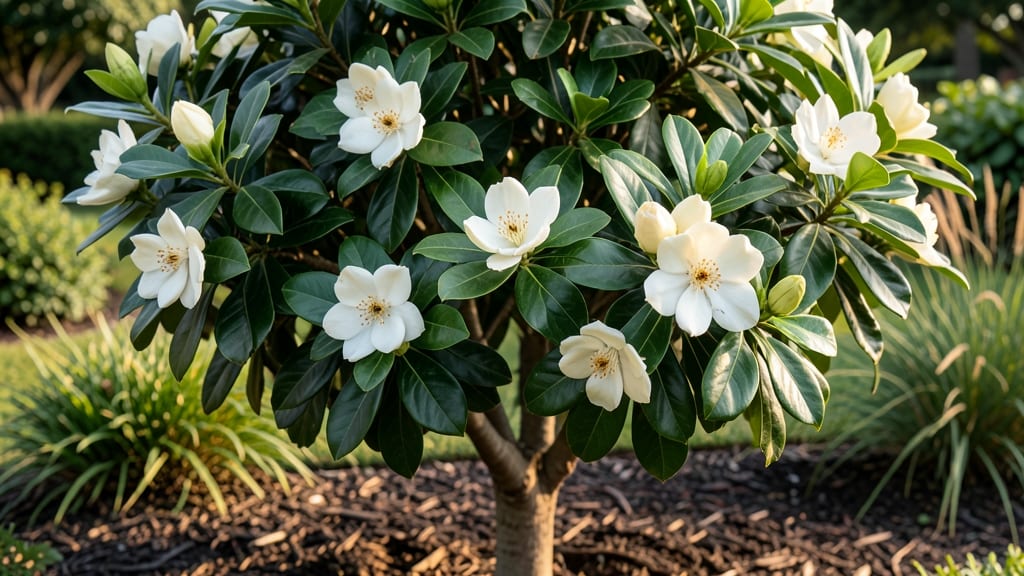
A gardenia tree grows anywhere from 3 to 10 feet tall, depending on the variety and how you prune it—so whether you’re planning a patio pot or a backyard centerpiece, size is totally manageable.
If you’re dreaming of fragrant, creamy-white blooms but wondering whether a gardenia tree will tower over your backyard—or fit snugly in a patio pot—you’re in the right place. Gardenias vary wildly in height, from compact shrubs to small trees, and pruning can dramatically alter their growth trajectory.
For example, the classic Gardenia jasminoides often reaches 6 to 10 feet at maturity, while dwarf varieties like ‘Kleim’s Hardy’ stay under 4 feet, making them perfect for containers. The key to controlling height lies in when and how you prune, which we’ll cover in detail.
Below, I’ll break down exact height ranges by variety, how to keep your gardenia at your ideal size, and the best pruning techniques to encourage bushier growth without sacrificing those intoxicating blooms.


Gardenia tree height ranges by popular varieties (with exact measurements)
If you’re planning to add a gardenia to your garden, knowing its mature height is key to choosing the right spot. Gardenias can range from 3-foot dwarf varieties to 10-foot small trees, depending on the cultivar.
The most common type, Gardenia jasminoides, typically grows to 6-10 feet, but some varieties stay compact. Understanding these height ranges helps you select the perfect gardenia for your space—whether it’s a patio pot or a backyard border.
Height isn’t the only factor—growth rates and spacing also play a role. For example, Gardenia radicans grows slower than Gardenia fortuniana, which can reach 8-10 feet in ideal conditions.
Below, I’ve broken down the exact height ranges for popular varieties, along with their growth habits and spacing needs to ensure your gardenia thrives and blooms abundantly.
When selecting a gardenia, consider not just height but also your climate and sunlight. For instance, Gardenia jasminoides thrives in USDA Zones 8-11 and needs partial shade to prevent leaf burn. If you’re in a cooler zone, opt for Kleim’s Hardy, which tolerates temperatures down to 15°F.
Always plant with 3-5 feet of spacing from other plants to allow airflow and reduce disease risk.
For small spaces, dwarf varieties like Gardenia radicans or 'Kleim’s Hardy' are ideal. These stay under 5 feet and can even thrive in 15-gallon containers with regular pruning. Just ensure your pot has drainage holes and use a well-draining, acidic potting mix to mimic their natural soil conditions.
Container gardenias may need more frequent watering, especially in hot summer months.
If you’re aiming for a taller gardenia, like Gardenia fortuniana, plan for a sunny, sheltered spot with room to grow. These varieties can reach 10 feet and require stronger support if planted near windy areas.
Prune in late winter or early spring to shape the tree and encourage lush, blooming branches. Avoid heavy pruning in fall, as this can reduce next year’s flowers.
One common mistake is underestimating growth rates. A gardenia that starts as a 3-foot shrub can double in height within 3-5 years if unchecked. To control growth, prune 10-20% of new growth annually.
This keeps the plant compact and bushy while maximizing blooms. For example, a 6-foot gardenia can be maintained at 4 feet with consistent pruning.
For maximum blooms, pair the right variety with proper care. Gardenia jasminoides and 'Veitchii' produce the most fragrant flowers when given morning sun and afternoon shade. Mulch around the base with pine bark or compost to retain moisture and acidify the soil.
Avoid over-fertilizing with high-nitrogen feeds, as this promotes leafy growth over flowers. Instead, use a balanced, acid-loving fertilizer like 10-10-10 in early spring and summer.
If you’re unsure which gardenia to choose, start with Gardenia jasminoides for versatility or 'Kleim’s Hardy' for cold climates. Both offer stunning blooms and adaptable heights, making them perfect for gardens of all sizes.
With the right variety and care, your gardenia will reward you with years of fragrant, creamy-white flowers—and the perfect height for your space.
🌺
How pruning affects gardenia tree height: techniques for controlling growth
Pruning is your secret weapon for shaping a gardenia tree’s height and encouraging lush, fragrant blooms. Without proper pruning, your Gardenia jasminoides could grow unruly—reaching 6 to 10 feet—while strategic cuts can keep it compact or even bushier.
The key lies in timing, technique, and avoiding common pitfalls that can stress your plant or invite pests.
Timing is everything: Prune your gardenia in late winter or early spring (just before new growth begins) to avoid damaging buds or disrupting flowering cycles. Fall pruning is risky because it removes next year’s blooms.
Always use sterilized pruning shears to prevent disease spread, and never prune more than one-third of the plant in a single session.
⚠️ callout-warning
- Pruning at the wrong time: Never cut back gardenias after June—this removes next year’s flower buds.
- Using dull tools: Jagged cuts slow healing and attract fungal infections or borers.
- Over-pruning: Removing more than 30% of foliage stresses the plant, reducing blooms.
- Ignoring dead branches: Leaving dead wood invites pests like scale insects or powdery mildew.
🌱 Pro Tip: Always prune just above a leaf node to encourage new growth.
To maintain a shorter height, focus on cutting back the topmost branches by 1/3 to 1/2 their length. For a bushier shape, prune the outermost growth to redirect energy inward.
Always cut at a 45-degree angle just above a leaf node—this ensures smoother regrowth and prevents water from pooling on wounds.
Encouraging bushier growth without sacrificing flowers requires a two-step approach: First, prune lightly in spring to shape the plant, then deadhead spent blooms throughout the season.
This redirects energy from seed production to new foliage and flowers. Avoid heavy pruning in summer, as it can delay flowering or reduce bloom size.
For container-grown gardenias, pruning is even more critical. Since roots are confined, regular trimming (every 4-6 weeks) prevents leggy growth. Use balanced fertilizer (like 10-10-10) after pruning to support recovery. Remember: Container gardenias need more frequent pruning than in-ground plants to stay compact.
If your gardenia’s growth seems stunted, check for root-bound conditions (common in pots) or nutrient deficiencies. Yellowing leaves often signal overwatering or poor drainage, while sparse blooms may mean insufficient sunlight (4-6 hours of morning sun is ideal). Adjust care and prune accordingly to restore vigor.