
Tools
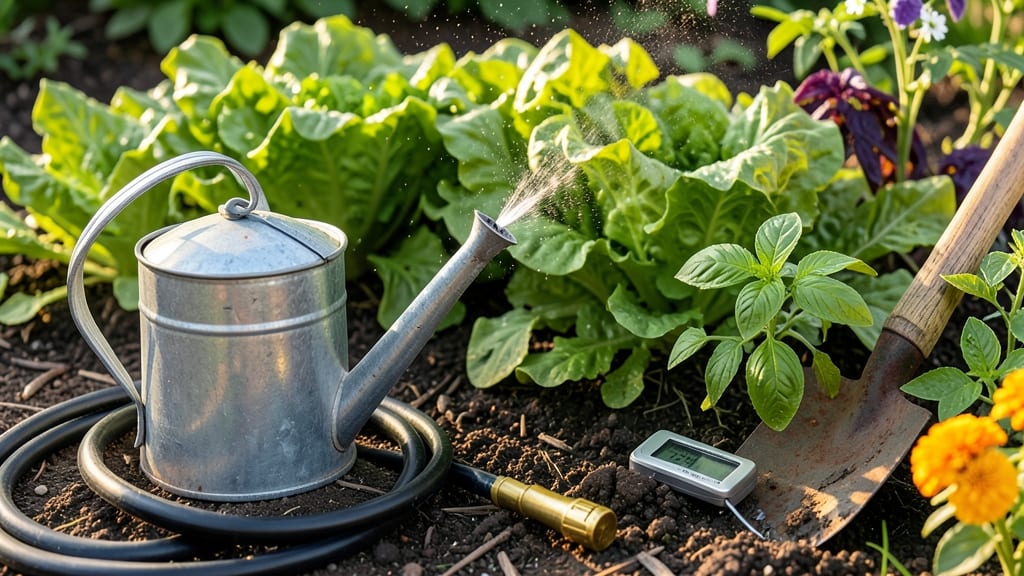
How often a garden should be watered depends on plant type and climate: most vegetables need 1-2 inches weekly, drought-resistant plants like succulents require every 2-3 weeks, while tropical plants thrive with daily moisture. Check soil moisture 1-2 inches deep before watering—early morning is best to reduce evaporation and disease risk.
Determining how often a garden should be watered starts with understanding each plant's unique needs. 🌱 For instance, leafy greens like lettuce and spinach need consistent moisture to stay crisp, while root vegetables like carrots and potatoes prefer deeper, less frequent watering to encourage root growth.
The key is matching your watering routine to the plant's root depth—shallow roots need more frequent, light watering, while deep-rooted plants can handle longer intervals between waterings.
Climate plays a surprisingly big role too. In hot, dry regions, you might need to water twice daily to prevent soil from drying out completely, whereas in cooler, more humid areas, daily watering might be excessive.
Always check the top 1-2 inches of soil—if it's dry, it's time to water. Mulching can also cut your watering needs by up to 30% by slowing evaporation and keeping roots cool.
💡 In This Article
- Watering Frequency by Plant Type: Vegetables, Flowers, and Trees
- Climate-Specific Watering Schedules for Gardens
Watering frequency by plant type: vegetables, flowers, and trees
The watering needs of your garden plants vary dramatically based on their biology—specifically, their root systems and natural drought tolerance. Leafy greens like lettuce and kale have shallow roots (typically 3-6 inches deep) and require daily moisture to prevent bolting or wilting.
Their high water content makes them particularly sensitive to dry soil, which is why they're often the first to show stress when under-watered.
In contrast, root vegetables like carrots and beets develop deep taproots (often 12-18 inches or more) that seek moisture underground, making them more tolerant of every-other-day watering once established.
Flowering plants present another layer of complexity. Annuals like marigolds and zinnias typically need 1 inch of water weekly but can handle slightly less during cooler months. Perennials like lavender, however, are native to Mediterranean climates and thrive on deep but infrequent watering—every 7-10 days—which encourages strong root growth.
The key difference here is that annuals prioritize consistent blooming, while perennials focus on long-term survival. Trees, especially young ones, require 1-2 gallons of water weekly spread over their root zone, with deeper watering (down to 12 inches) being more effective than frequent shallow watering.
Seasonal adjustments are critical for maintaining healthy plants. During spring, when soil is cooler and plants are actively growing, most vegetables need 1-1.5 inches weekly. But by summer, evaporation rates can double, meaning you might need to water every 2-3 days instead.
A simple test is the "screwdriver trick"—if it goes in easily, the soil's moist enough; if it meets resistance at 1-2 inches, it's time to water. This method works because it mimics how plants perceive soil moisture through their roots.
What most gardeners overlook is how mulch changes these requirements. A 3-inch layer of organic mulch (like straw or wood chips) can reduce watering needs by 25-30% by slowing evaporation and regulating soil temperature.
For example, tomatoes in mulched beds might only need 1 inch of water every 5-7 days in summer, compared to every 3-4 days without mulch.
The mulch also prevents soil-borne diseases by keeping foliage dry, which is especially important for plants like peppers and eggplants that are prone to fungal issues.
Consider these plant-specific watering guidelines for common garden staples:
- Leafy Greens (Lettuce, Spinach): 0.5-1 inch daily in hot weather; reduce to 0.5 inch every other day in cooler months
- Root Vegetables (Carrots, Potatoes): 1-1.5 inches weekly, focusing on deep watering to encourage root growth
- Fruiting Plants (Tomatoes, Peppers): 1-2 inches weekly, with extra water during flowering/fruiting stages
- Drought-Tolerant Plants (Lavender, Succulents): Every 2-3 weeks, with deep soaking rather than frequent light watering
The most common mistake is assuming "more water is better"—overwatering can lead to root rot, especially in heavy clay soils where drainage is poor. Always pair watering with a quick soil check: if the top 1-2 inches feels damp, hold off until it dries slightly.
This balance is what keeps your garden thriving without wasting water. 💧